
The latest news from Ron & T of The Buffalo Wool Co. at RATH Ranch.
Forwarded this email? Subscribe here for more
Happy Bison Month, and we are almost finished!!
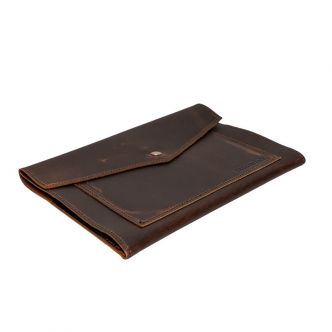
Was a good day, got the freight to Alaska Airlines to send up for the fair... and dropped a bunch of good bison leather off at the Cowtown Leathers to be turned into stuff for the holidays. Art is really good at making things.. will have bags, valet trays, wallets and more. Can't wait to see what he does
Was loaded up and on the road by 6am, which didn't leave me time to get anything out this morning, and by the time I got home around noonish, was too hot to do chores, so, gonna write about some of our favorite people here now. I really love both of them, Mimi is just an amazing person and does so much for advancing bison research, Moritz is just flipping fun, and smart, always like working with him and really enjoy hanging out with both of them whenever we have a chance. They have done and are still doing amazing things. This is also one of the largest producing ranches in the country... amazing and beautiful place.
Also, Daughter has finally started her newsletter, and I told her, I would share it here with our faithful readers... here is the link to the first one.
here is her new website as well. It's pretty good, not sure where she learned how to write. Truly appreciate it if you could check them out.
Hope you had a truly great day!
Ron & T, and the crew here at the BWC
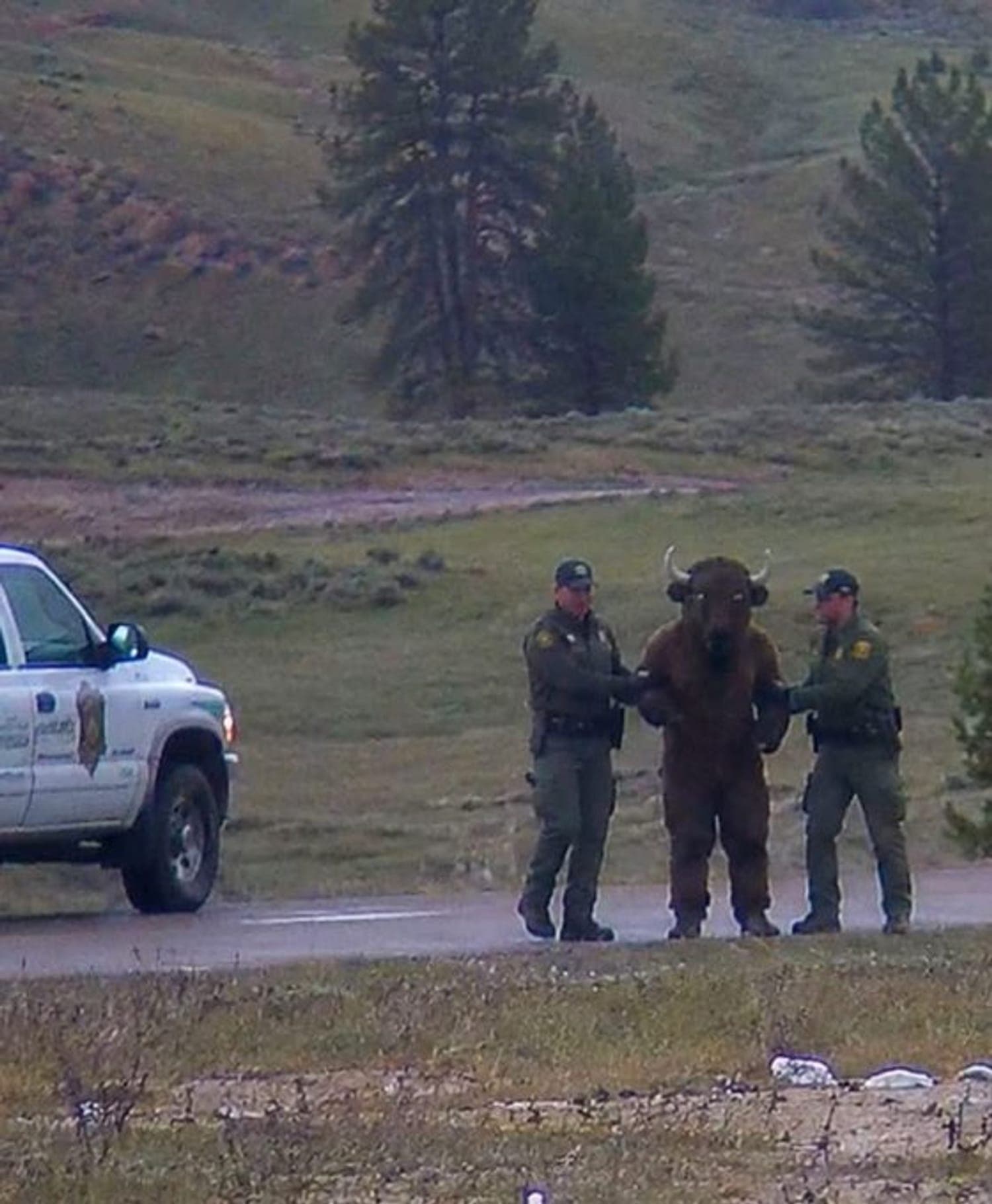
From a friend, and yes, I laughed...
This is not me... or anyone I know. (at least I don't think it is) have only been tagged in in 46 times today.
From Prairie Dream to Bison Legacy: The Wild Ride of Mimi Hillenbrand, Moritz Espy, and the Legendary 777 Ranch
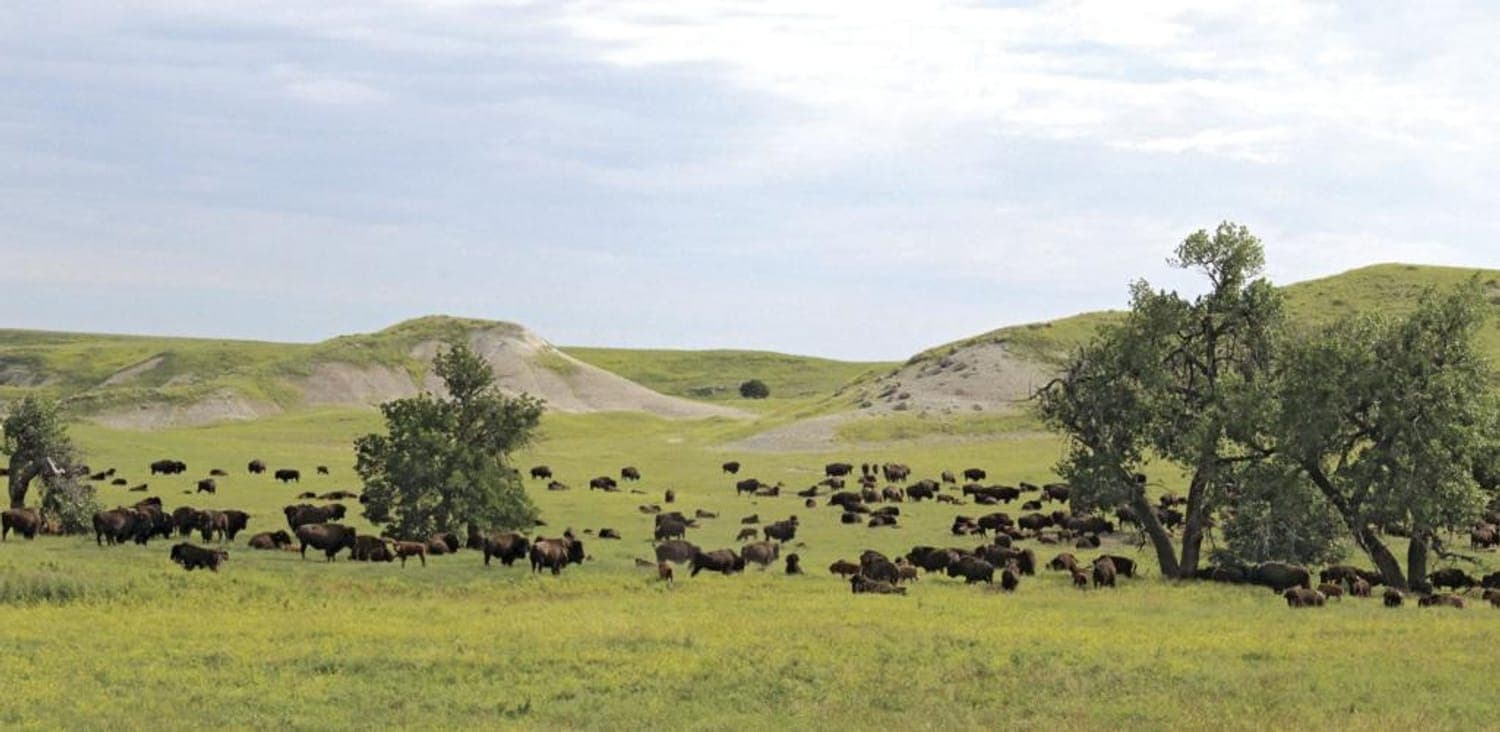
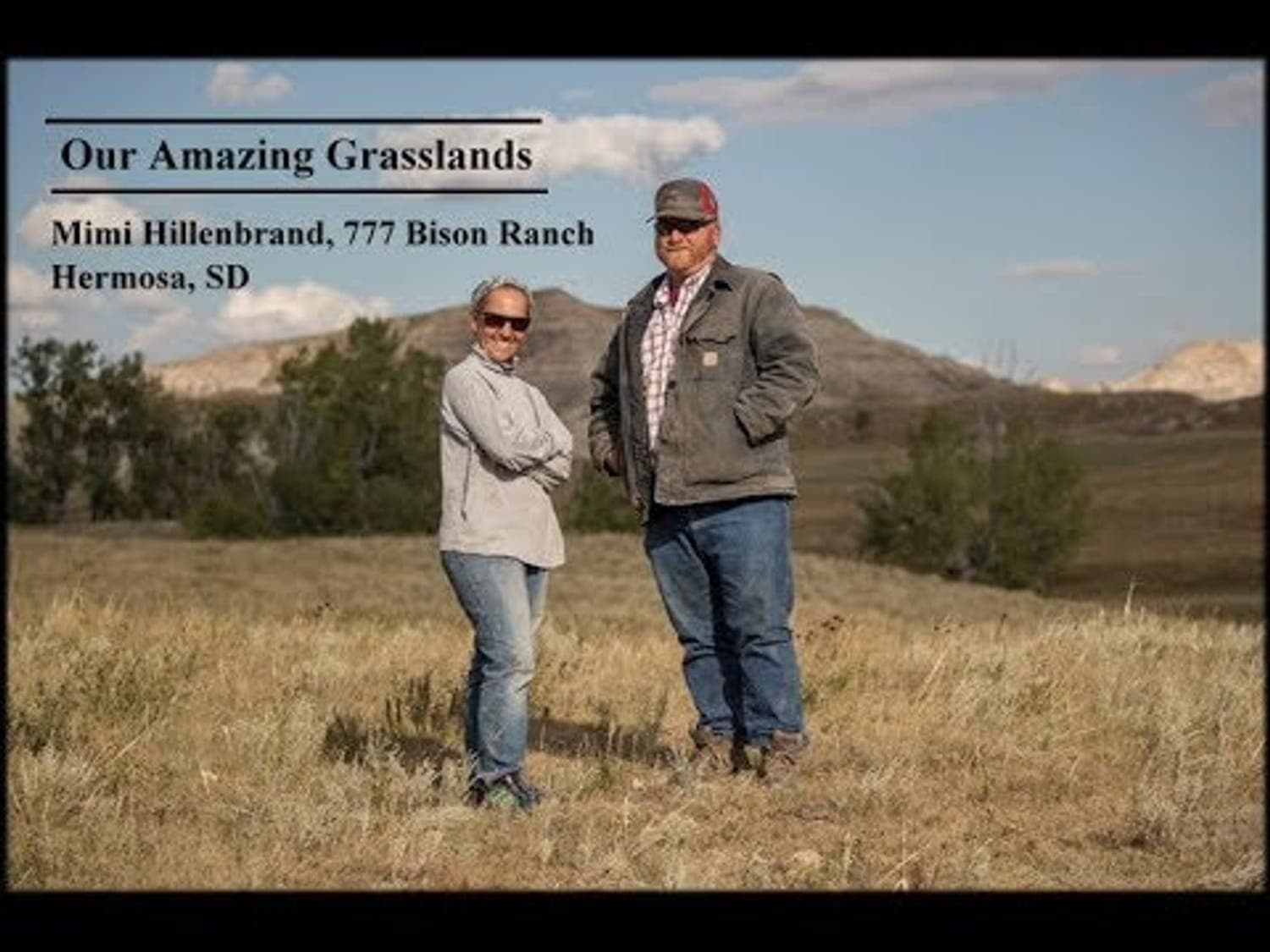
Picture this: rolling shortgrass prairie between the Badlands and the Black Hills of South Dakota, where thunderous herds of bison once migrated like living rivers. Enter the 777 Ranch (later known as the 777 Bison Ranch), bought by Rita and Ray Hillenbrand in 1972. What started as a cattle outfit transformed in the early 1980s when the family brought in their first 100 bison from places like Custer State Park. Fast-forward, and under the passionate leadership of daughter Mimi Hillenbrand—with ranch manager Moritz Espy as her indispensable partner—it became a gold-standard model for regenerative bison ranching, holistic management, and pure prairie grit.
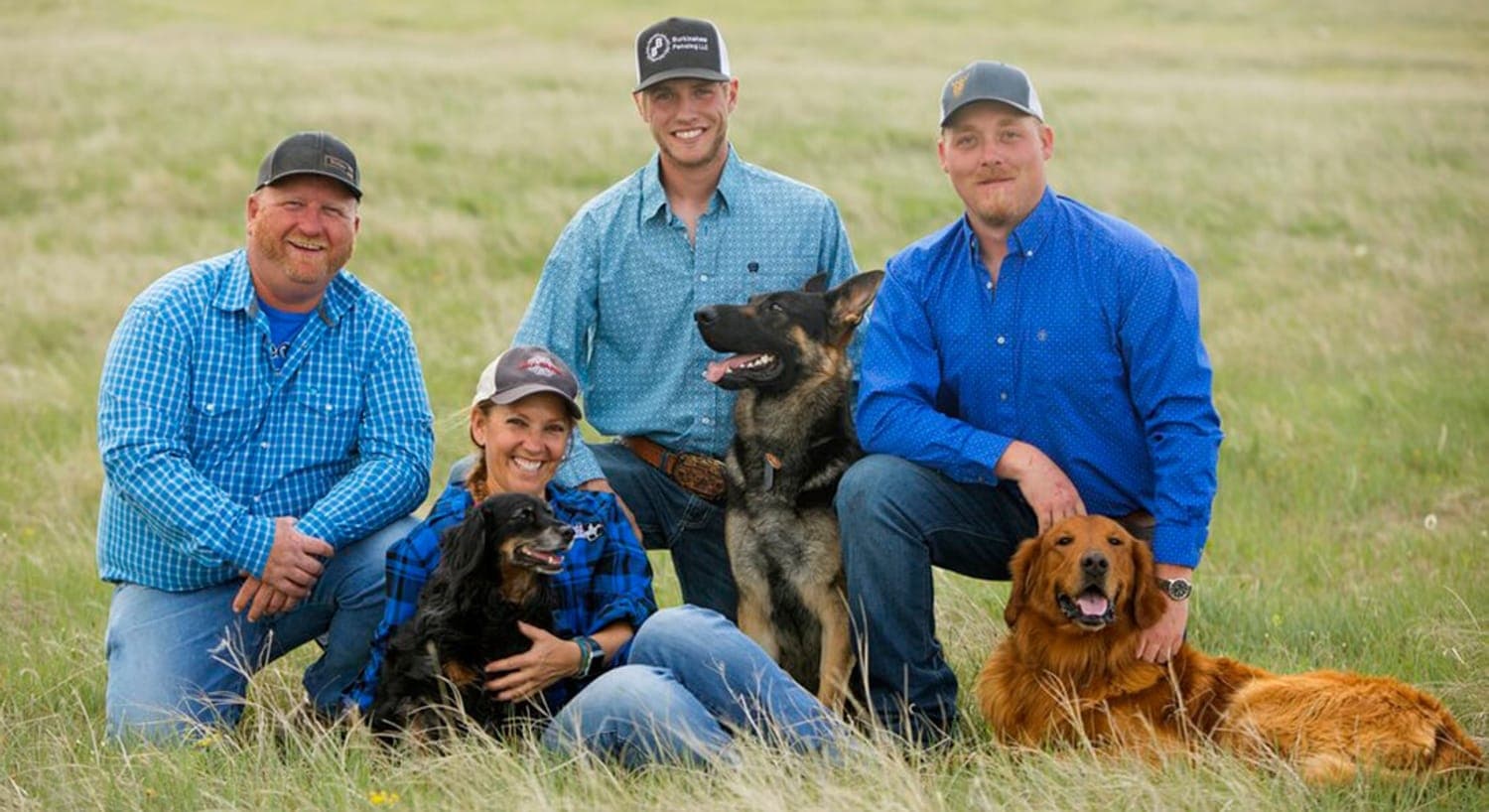
Mimi grew up summers on the place, fell hard for the land and wildlife, earned a BS in Wildlife Biology from the University of Montana and a Master’s in Agricultural Sciences from Colorado State, and immersed herself in Holistic Management for over 30 years. By 2003 she took full ownership and management, turning roughly 26,000–28,000 acres and 1,500–2,000 grass-fed, DNA-tested (cattle-gene-free where possible) bison into a showcase of planned grazing across dozens of paddocks.
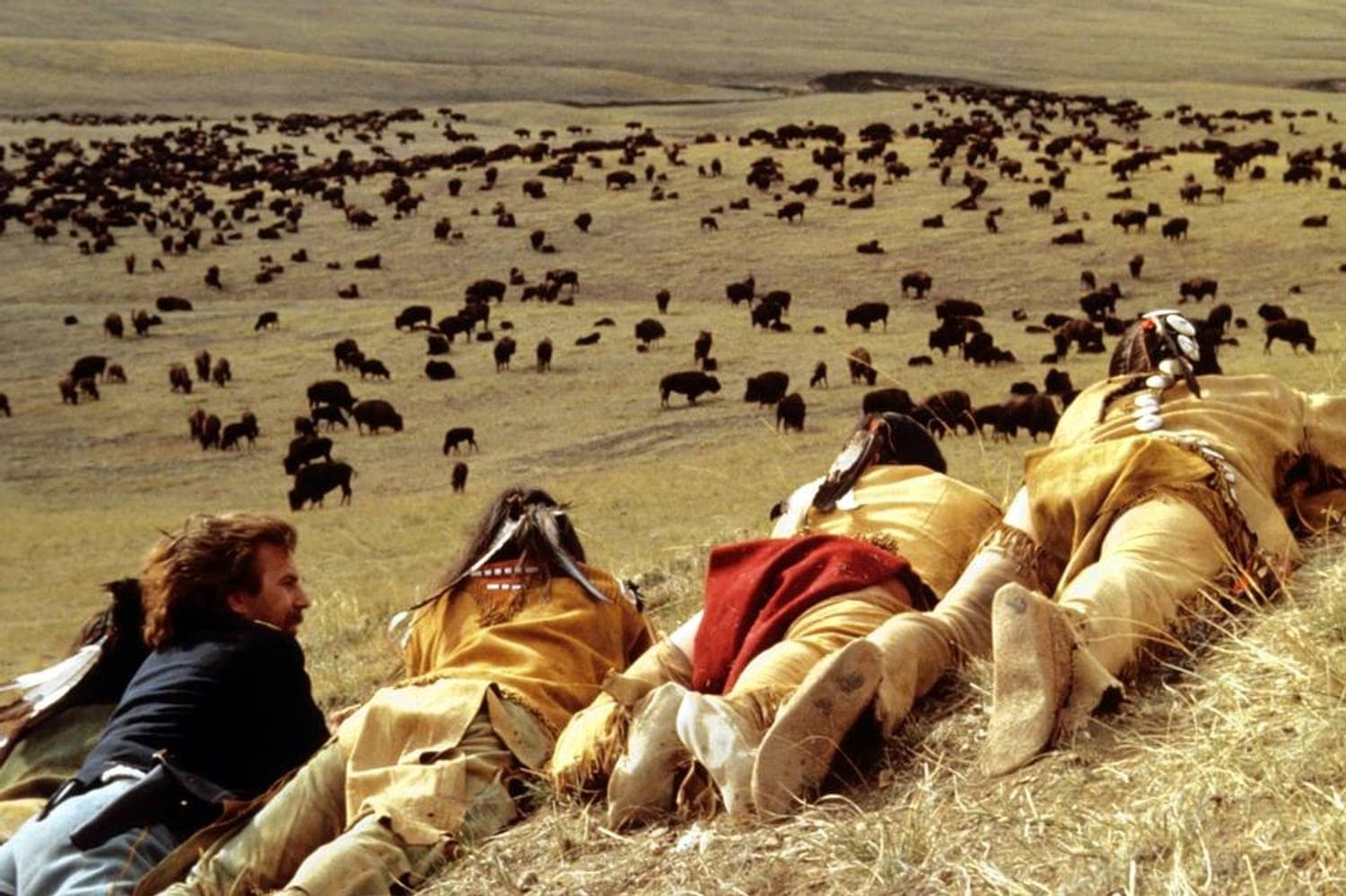
The results? Healthier soils, more plant diversity, better water infiltration, carbon sequestration gains, thriving wildlife (dung beetles included—Mimi’s happy sighting!), and certifications that turned heads: first U.S. bison ranch with Global Animal Partnership Step 4 animal welfare status, American Grassfed Association, Audubon grassland conservation, and more. Hollywood even noticed—the ranch’s vistas starred in Dances with Wolves and Wyatt Earp.
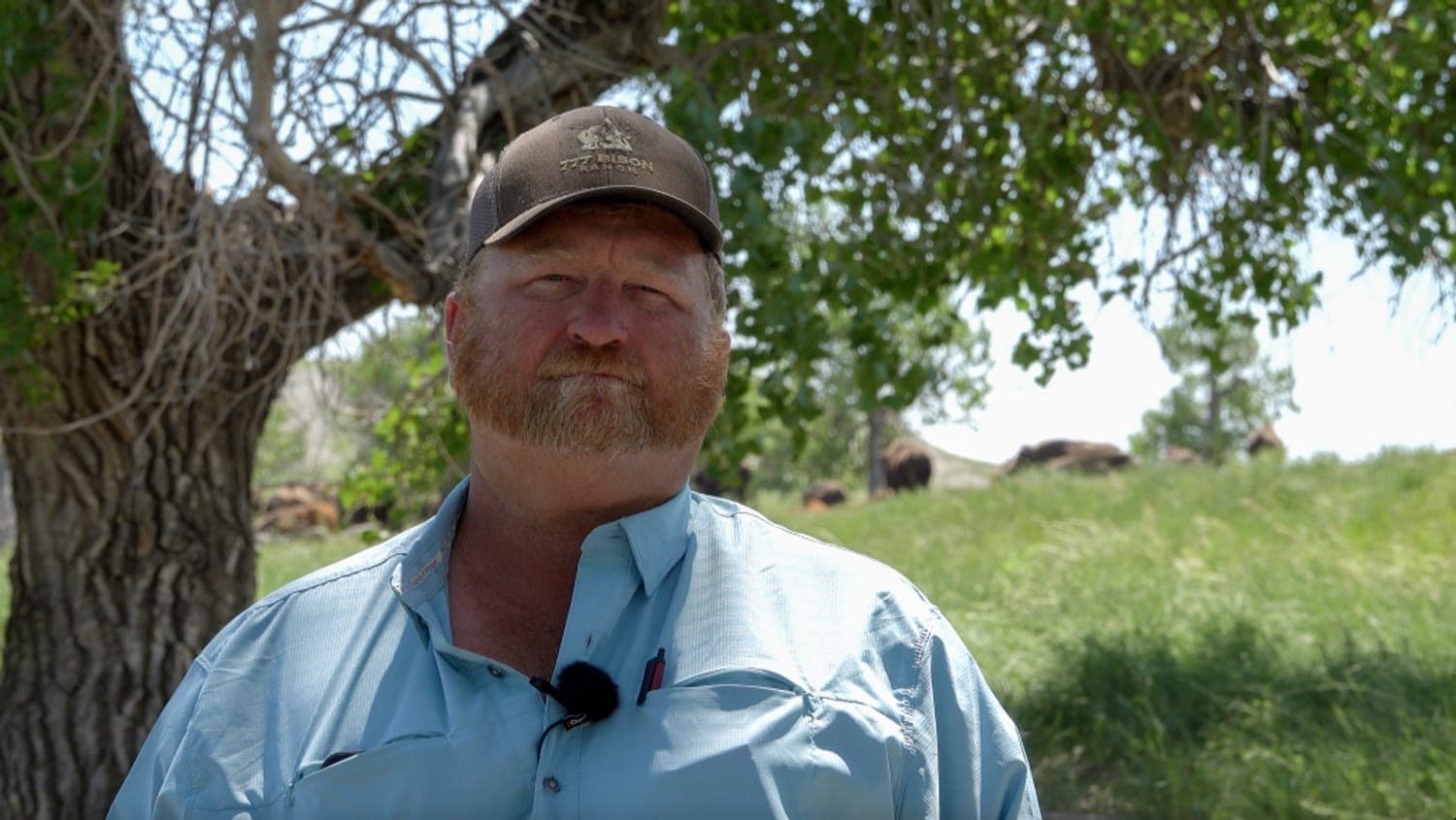
Moritz Espy, Montana cattle-ranch kid with a BS in Natural Resource and Ranch Management, “wandered” to South Dakota in 2005 chasing buffalo for fun… and never left. As ranch manager he lived the holistic dream day-to-day: managing grass more than animals, low-stress handling (Temple Grandin consults included), four-wheeler herding, and building a tight crew. His outdoor office was the prairie itself. Together, Mimi and Moritz made the 777 a living classroom and profitable grass-fed meat/live-animal operation that inspired others across the industry.
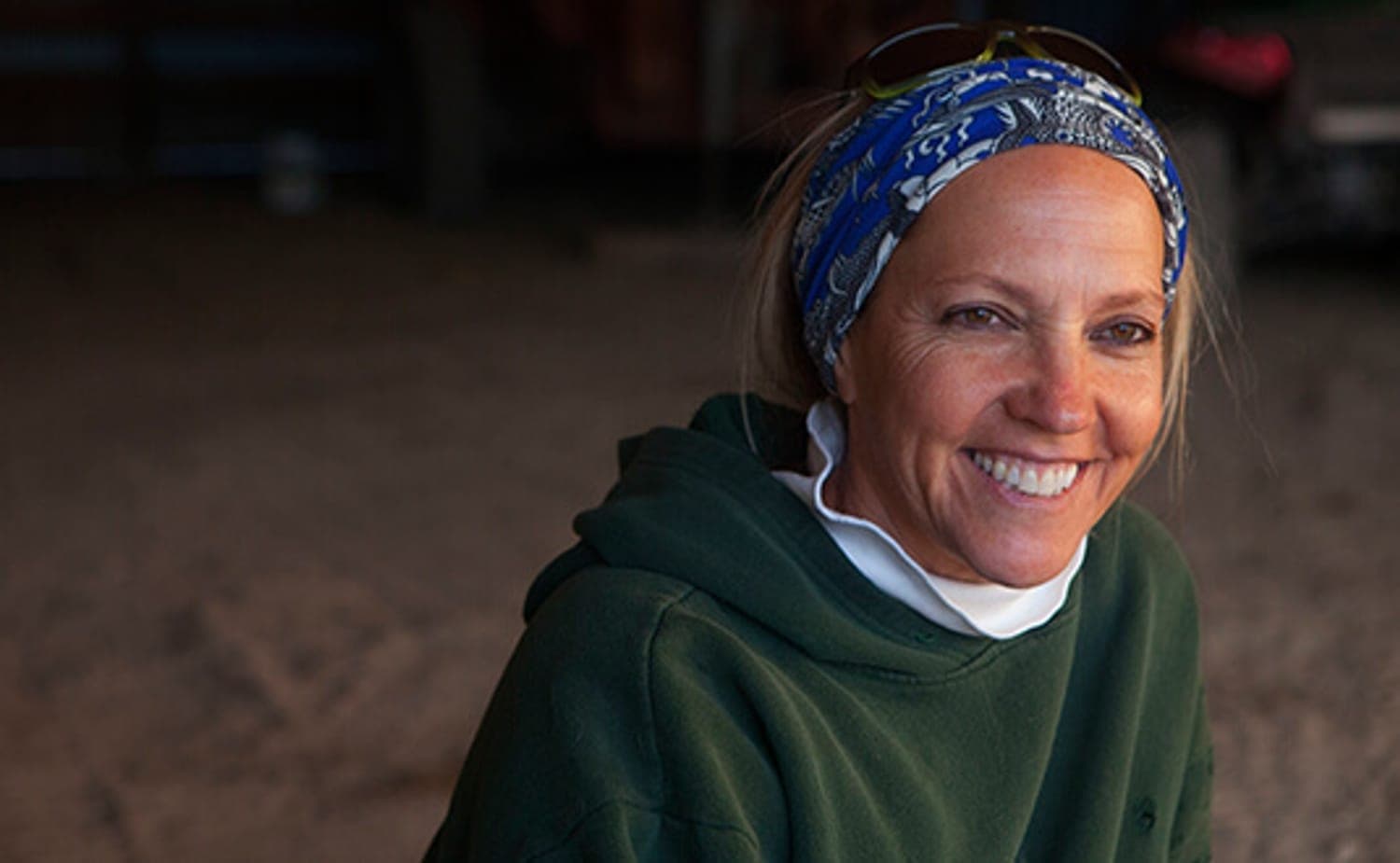
Their influence stretched far beyond the fence lines. Moritz served multiple years on the Dakota Territory Buffalo Association board (including as president) and as National Bison Association Region 3 director (Montana, North Dakota, South Dakota), advocating for producers, transparent deals, and the industry’s future—exactly the circles where many of us crossed paths and shared the work. Mimi, meanwhile, poured energy into the National Buffalo Foundation (the research-and-education powerhouse supporting bison science, Hall of Fame, interpretive projects, and more). She has long served on its board of directors and is quoted warmly on the foundation’s site as a longtime rancher championing research and education; earlier leadership roles, including time as president, fit the dedicated trajectory many of us remember. Both helped elevate bison from near-extinction story to sustainable, regenerative success.
Then came the big chapter turn. In 2024 the ranch—listed as Dakota Partnership Ranch, still stocked with about 1,800 bison, fully improved for the job, and celebrated for its conservation awards—sold for $31.7 million (roughly 25,756 deeded acres plus state lease). The Nature Conservancy acquired it that October. TNC has emphasized that the property, already managed with strong conservation practices for decades, will remain a working ranch focused on bison habitat and production. They are committed to protecting its cultural and ecological value while collaborating with Native Nations and local communities. The iconic landscape that once hosted film crews and pioneering regenerative grazing continues its prairie mission under new stewards.
And the dynamic duo? Life after the sale has them writing fresh pages. Moritz, the former bison-wrangling legend, is now a Fairburn Volunteer Fire Department firefighter—still the “top-notch dude” stepping up for community (recently helping relocate a lone bison after a tourist incident near Custer State Park). He is also doing ranch consulting... in a great way. The prairie skills translate nicely to protecting the same South Dakota country he knows so well.
Mimi remains deeply tied to the bison world as a National Buffalo Foundation director and industry voice. The woman who once said living her childhood dream of ranching and conservation was “the coolest 30 years of my life,” and who even expanded horizons with a property in Chile’s Patagonia, continues championing the animals, the land, and the next generation of stewards. The 777 website still echoes the old team spirit, a digital reminder of the era she and Moritz built.In the end, the 777 story is pure fun Western epic: a family vision, a Montana cowboy who showed up for the buffalo chase, a wildlife-biologist-turned-regenerative-rancher who made the prairie sing again, industry leadership that strengthened the whole bison community, a landmark sale to a conservation powerhouse that keeps the working-ranch flame alive, and two people still contributing in their own ways.
The herds may have a new address, but the legacy of Mimi Hillenbrand and Moritz Espy thunders on—reminding us that good land stewardship, a little grit, and a whole lot of bison can rewrite the prairie’s future. Here’s to the next roundup, wherever it leads.

This post was published
Maybe you will also like
This is a link to a post. This is a link to a post.
 This is a link to a post.
Excerpt from post: Hello and Happy Saturday Friends!
Hope you had a great week, T and I are laying low and taking it ea…
This post was published
Excerpt from post: Hello and Happy Saturday Friends!
Hope all is well in your part of the world. Life here is good, we…
This post was published
Excerpt from post: Hello and Happy Saturday Friends!
Hope all is well in your part of the world. Life here is good, we…
This post was published