Hello and Happy Saturday Friends!
Hope you had a great week, T and I are laying low and taking it easy for a bit before the rush starts next week. Got 3 weeks of long busy days, and figuring it's best to be relaxed and ready for the fun of the fair when it starts. It's a great time but takes a lot of energy to make it all the way through, and we are doing our best to make sure we have as much in the warehouse before fall hits... but things seem to be moving out as fast as we can get them in.
In more fun news, I managed to get elected to the Bison Discovery Center board, and am really excited about this, the Director Illana Xinos is a truly amazing person and has built a spectacular place there and I am looking forward to helping her and the team there. This is gonna be fun. Have a little story on this below.
So we got some Alaska stuff as well in here today, some of our friends who do some great things, always love sharing their stories.
Hope you enjoy it!
Ron and T and the crew back home running the BWC show.
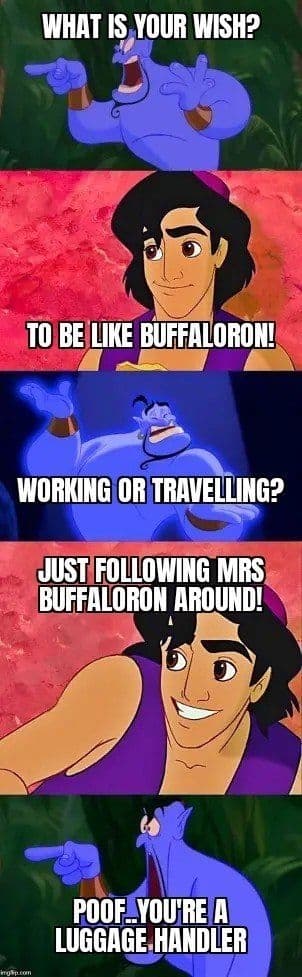
From a friend ..and yes, I'm still laughing.
The North American Bison Discovery Center: Growing Impact Through Education and Outreach
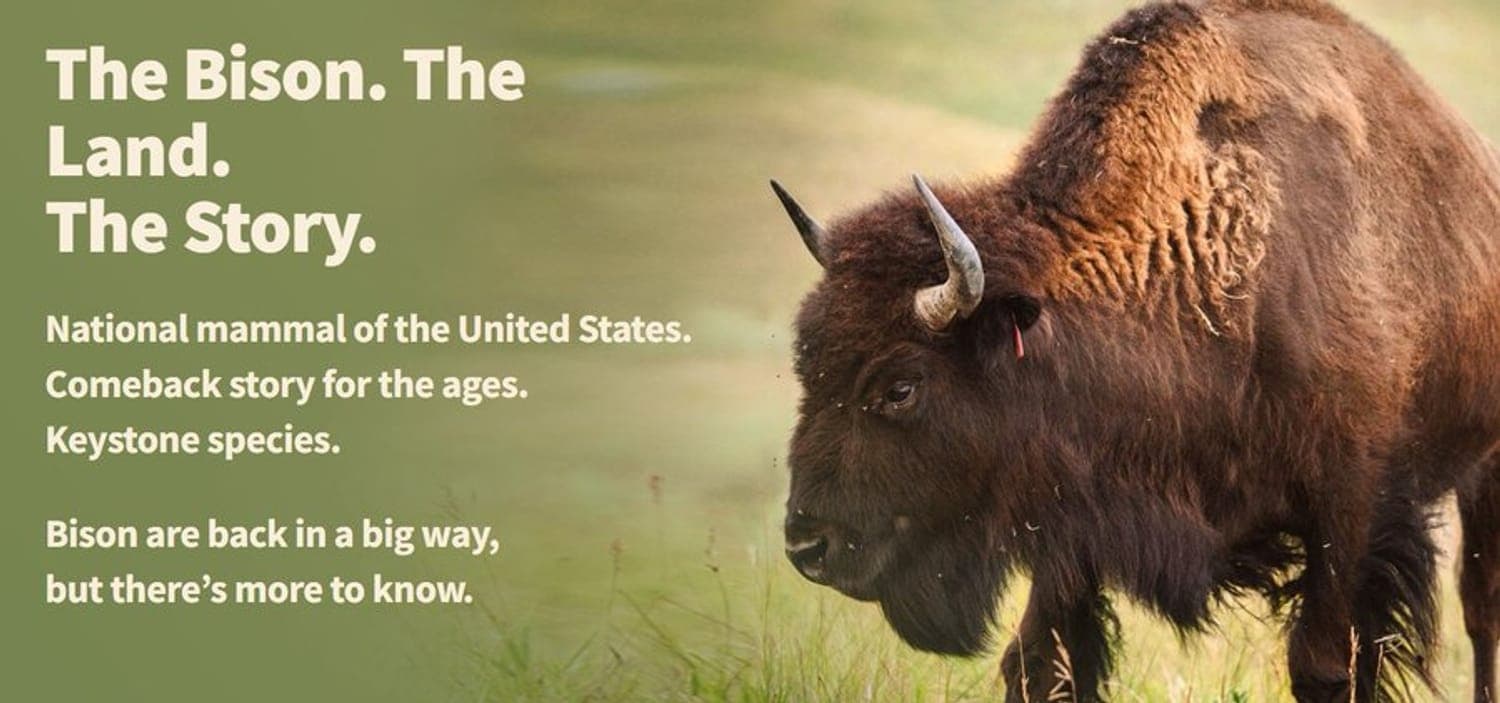
Located in Jamestown, North Dakota—home of the World’s Largest Buffalo monument—the North American Bison Discovery Center (formerly the National Buffalo Museum) is a nonprofit dedicated to advocating for the restoration of the North American bison through education and outreach. Founded in the early 1990s by local leaders and bison advocates, the center opened to the public in 1993 with a live herd and a mission to share the animal’s remarkable story: from near extinction in the late 1800s (fewer than 1,000 remaining) to a recovery of roughly 500,000 today as a keystone species and the United States’ national mammal.
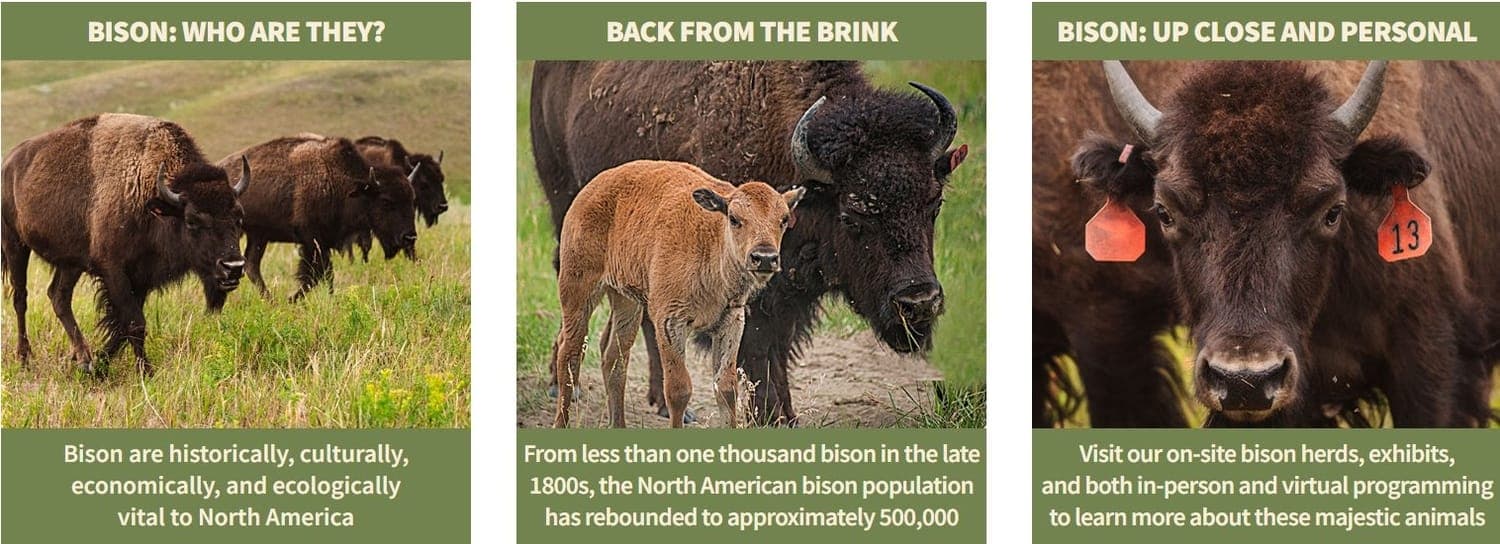
Under Executive Director Ilana Xinos, who has led the organization, the center has undergone meaningful transformation. Xinos guided the development and approval of a comprehensive Master Plan that provided a clear roadmap for the future, streamlining decision-making and focusing efforts on long-term growth. In 2024, she oversaw the strategic rebranding from the National Buffalo Museum to the North American Bison Discovery Center. She described the change as an expansion of vision: “It is an expansion from being a ‘national’ museum. The bison is the national mammal (of the United States) but it is important to the entire continent.” The shift also emphasized the scientific name “bison” while reaffirming the core mission of restoration through education and outreach.
Xinos’s direction has prioritized expanding reach beyond the physical site through the “Museum Without Walls” initiative—using outdoor experiences, virtual programs, traveling exhibits, digital tools, and community partnerships to make bison education more accessible. Under her leadership, the center launched Critter Chats (a virtual series featuring experts), Bison Bites educational emails, a Guest Curator Program inviting public input, and Traveling Trunk exhibits for classrooms and communities. She has also strengthened professional capacity by hiring key staff, including a full-time curator and an Advancement Coordinator, and expanded the board with members from multiple states to bring diverse expertise in ranching, conservation, academia, and more.
Her impact is reflected in tangible results. The center revived its major fundraising event as The Great Bison Bash, continued popular family programs like A Very Bison Christmas, and grew membership. Xinos has represented the organization nationally, presenting at events such as the North American Bison Summit alongside Tribal Nations, conservationists, ranchers, and educators on topics including restoration, grasslands management, climate resilience, and Tribal buffalo programs. Board leaders have publicly recognized her tireless dedication and passion, noting that the organization has flourished through her commitment. I am really excited to be joining this amazing team... such a great cause, and I ready to help do what I can.
Visitors experience the bison story through an introductory film, interactive and rotating exhibits covering natural history, cultural significance, ecology, and conservation success. A children’s Bison Calf Play Area engages younger guests. On-site, guests can view the center’s herds from an observation deck or join guided pasture tours for closer looks. Additional offerings include a gift shop, virtual programming, an AI tool called My Bison Buddy for quick questions, and special events.Through Xinos’s steady leadership—rooted in strategic planning, broader outreach, stronger partnerships, and a clear focus on the bison’s cultural, ecological, and restorative importance—the North American Bison Discovery Center has evolved from a local museum into a more dynamic regional and national resource for education and advocacy. For hours, admission or to plan a visit, see bisoncenter.org.
please consider becoming a member, it's a great organization doing good work.
Sleepy Bay Salmon: Exceptional Sustainable Copper River Salmon from a Family We Trust and really love hanging out with.
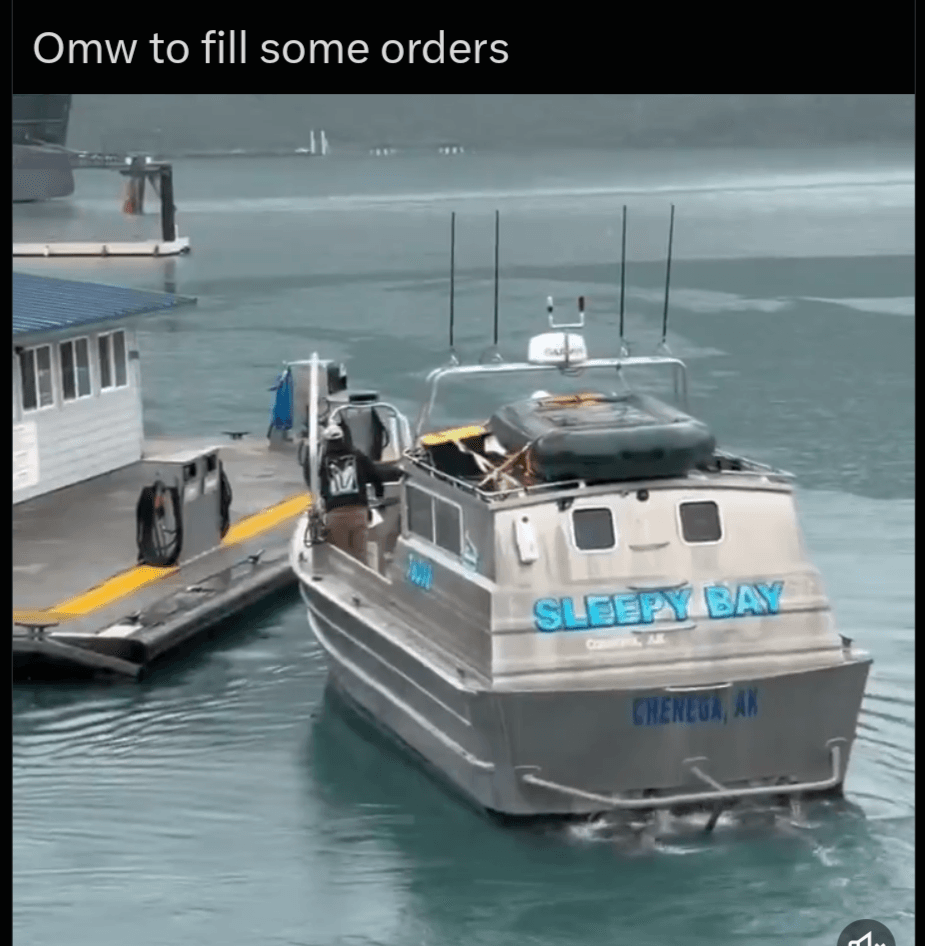
In the pristine waters of Alaska’s Copper River and Prince William Sound, Sleepy Bay Salmon delivers some of the finest wild salmon available. This family-run operation, led by Captain TJ and the Gall family, harvests Chinook (King), Sockeye, and Coho salmon known for their rich flavor, high fat content, and firm texture—qualities built during the fish’s long, demanding migration from rich ocean feeding grounds to spawning areas. I know this isn't bison, but doing what they do is incredibly difficult and dangerous too. Some of the videos TJ shares are pretty wild... huge waves and lot's of crazy water. He does it was style and grace though... lost a boat last year, and are back at it in full swing. My plan this July was to go deckhand for him, but as usual, I couldn't get my act together. Maybe next year... I really want to do it.
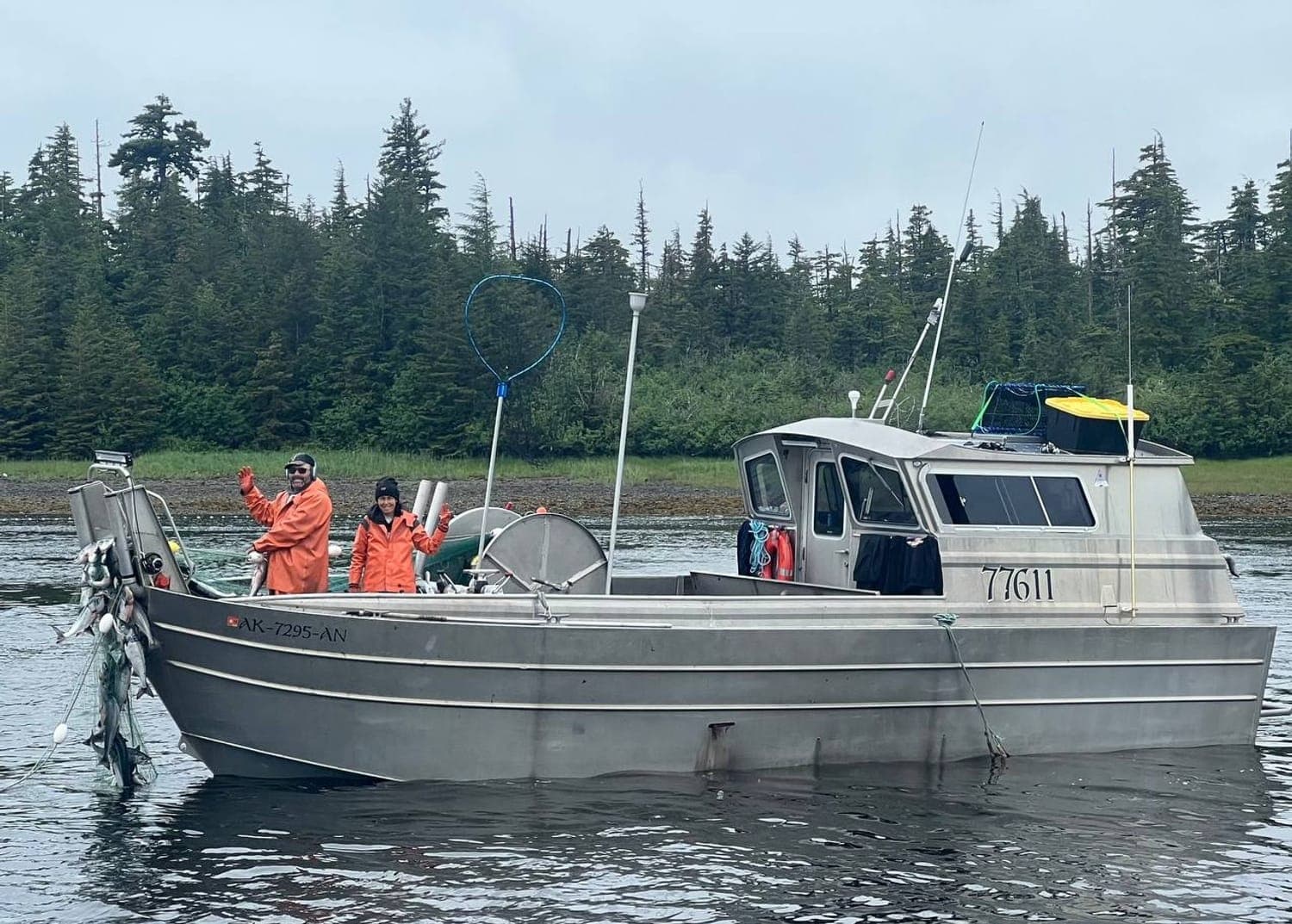
What sets their product apart is careful handling from boat to door. They use cork-lined nets that reduce stress and damage to the fish, a water-bleeding process for maximum freshness, and rapid flash-freezing to lock in quality. The result is salmon that arrives in excellent condition, whether for home cooks or wholesale buyers, with the deep color, buttery mouthfeel, and omega-3 richness that Copper River fish are celebrated for. You can't beat it ... only problem is you will not be able to eat factory farmed salmon once you try this.
Sustainability is central to how they work. As stewards of the Prince William Sound, Sleepy Bay Salmon prioritizes selective harvesting methods that minimize bycatch and protect the local ecosystem. Their practices reflect a longstanding connection to the region, including ties to the Chenega community and a multi-generational fishing heritage. They emphasize responsible resource management so these waters and fisheries can continue supporting both people and wildlife.
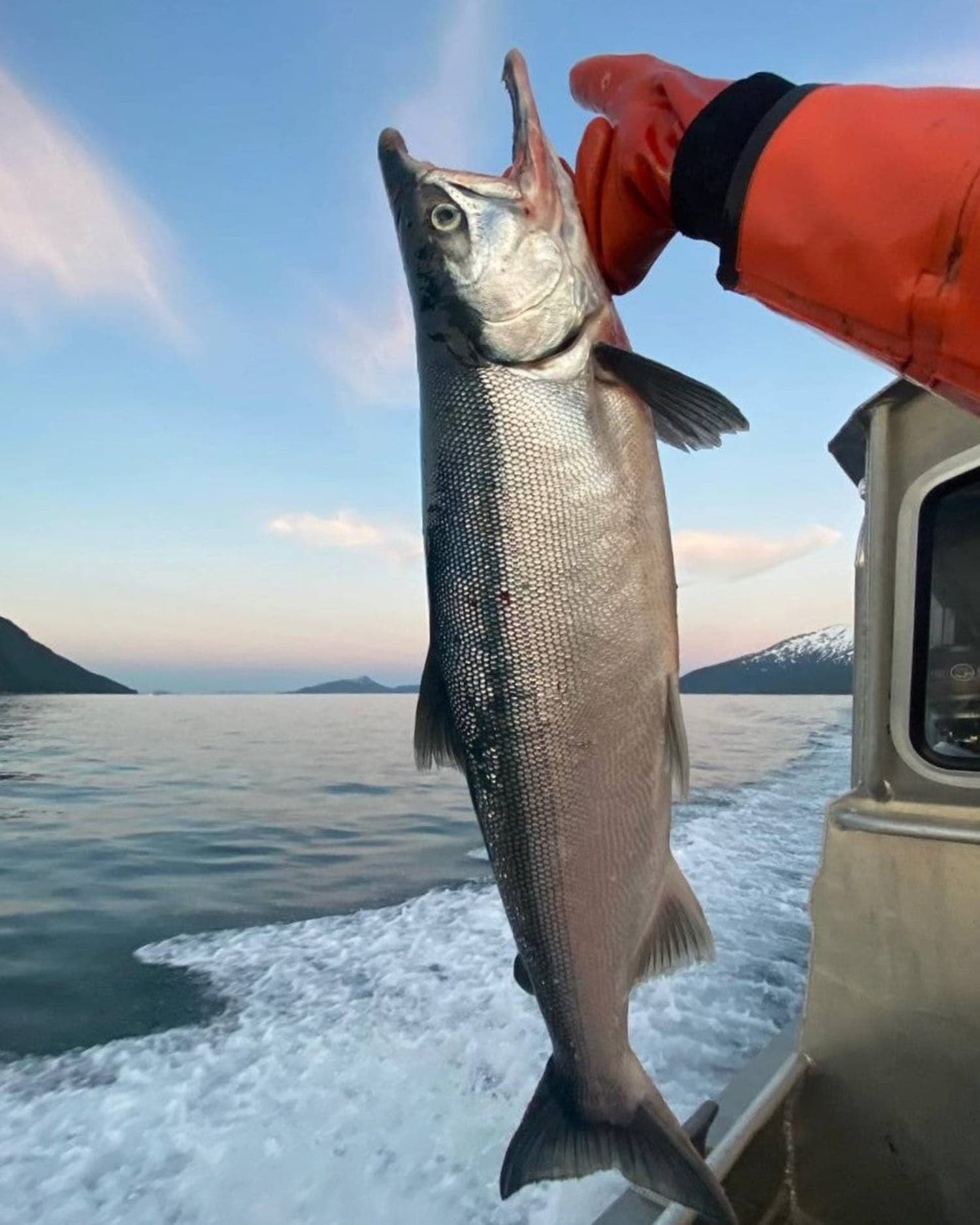
Beyond the product, the people behind Sleepy Bay Salmon make the difference. The Gall family operates with genuine care, transparency, and a deep respect for the resource and their customers. They are wonderful people and great friends of ours—reliable, passionate about their craft, and a pleasure to know. Supporting them means choosing high-quality, sustainably harvested salmon while standing behind a small, family business that values both excellence and the long-term health of Alaska’s waters.If you’re looking for wild Alaskan salmon that delivers on taste, texture, and responsible sourcing, Sleepy Bay Salmon is an outstanding choice.
Visit sleepybaysalmon.com to explore their offerings and taste the difference that careful, family-led harvesting makes.
Dad and I had a wonderful time fishing with them last weekend.
Meet the Mushers and Dogs at Turning Heads Kennel
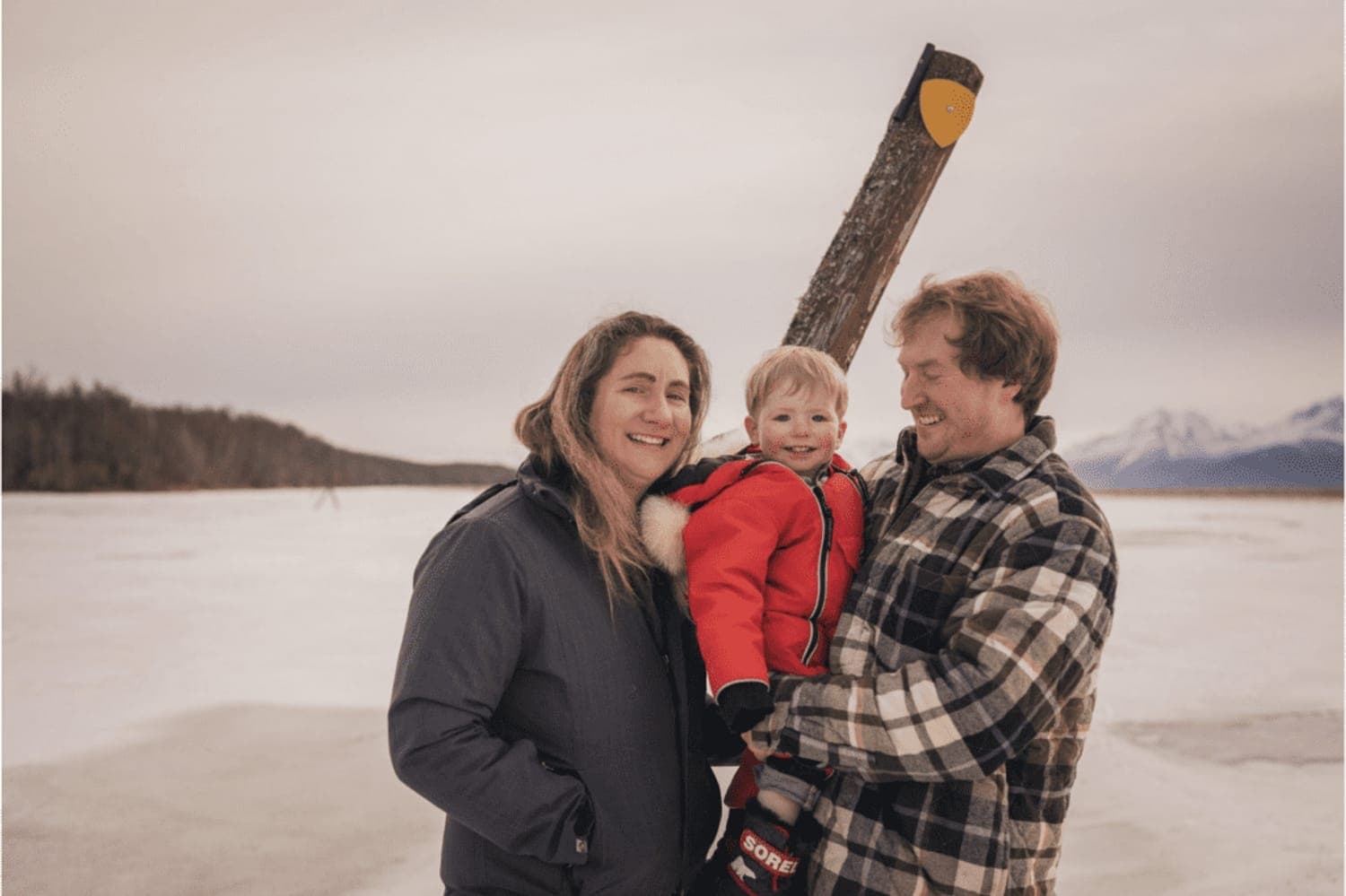
in Seward, AlaskaIn Seward, Alaska, Turning Heads Kennel is a working Iditarod racing kennel run by Travis Beals and Sarah Stokey. Travis, a lifelong Alaskan musher, has completed the Iditarod multiple times (including a strong second-place finish in 2026) and has earned awards for excellent dog care and sportsmanship. The kennel is home to a team of Alaskan huskies trained for long-distance racing while also welcoming visitors.
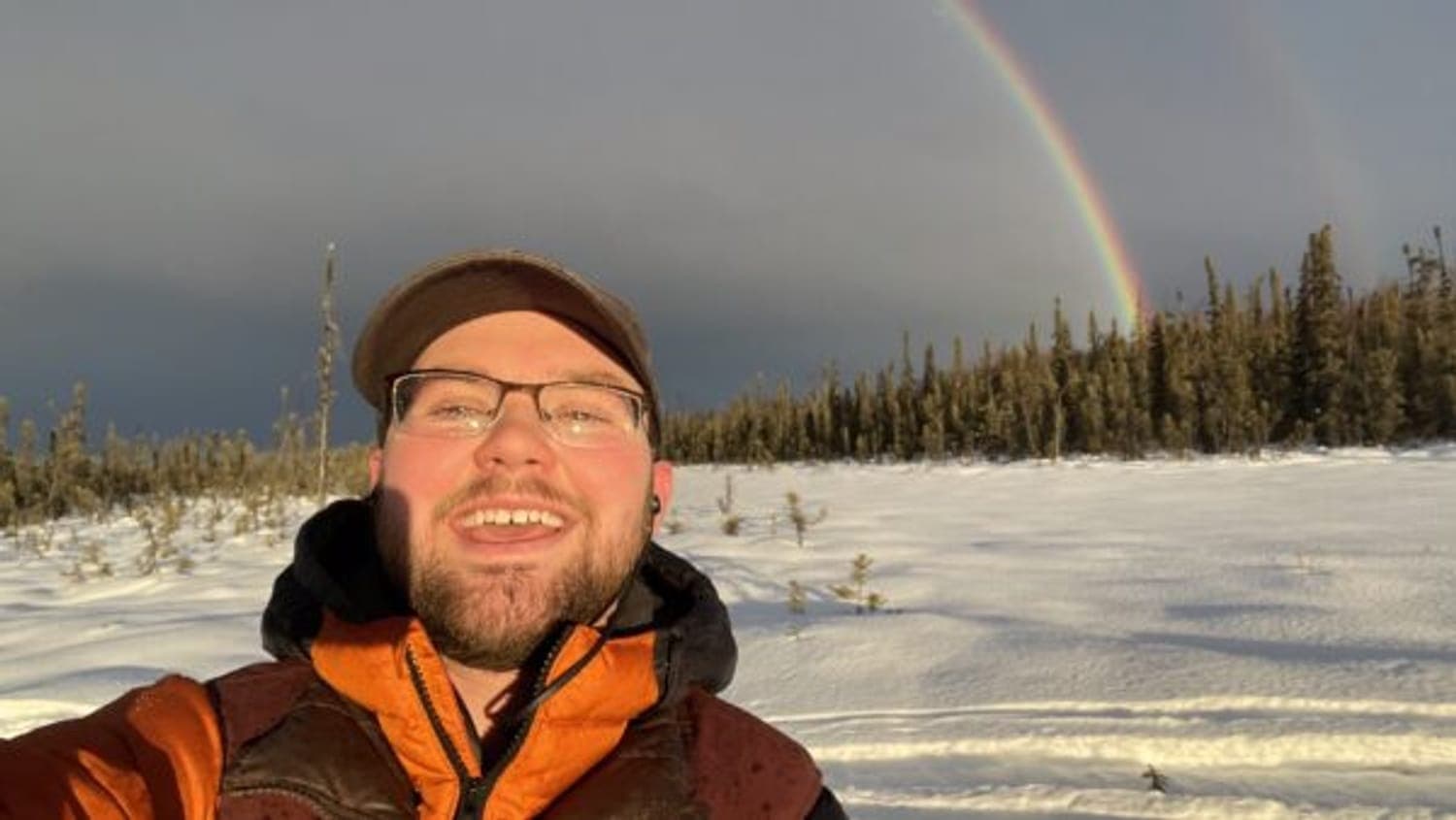
Our dear friend, musher Hunter Keefe, who grew up in Michigan dreaming of racing dogs in Alaska, is part of the crew. He has raced events including the Iditarod and helps share the day-to-day life of the kennel with guests, whether at the home base or supporting glacier operations. Just the nicest guy as well.... always seems to bring home the Humantarian award from most races. Truly love this guy.
Visitors can experience the kennel firsthand through small-group summer tours (typically late May through early September). You’ll meet and pet the energetic sled dogs, cuddle any available puppies, learn about training, commands like “gee” and “haw,” and daily care, then climb aboard a wheeled cart for a thrilling ride pulled by a team of dogs along wooded trails. The experience is hands-on, educational, and family-friendly, lasting about 75–90 minutes. Complementary shuttle options are often available from Seward-area hotels.For an even more unique adventure, helicopter tours take guests up to a snowy camp on Godwin Glacier for summer sled dog rides on actual snow. Winter tours are also offered in other locations.Turning Heads Kennel combines authentic racing kennel life with accessible visitor experiences. To book a tour, pet the dogs, and enjoy a ride behind the pups, visit turningheadskennel.com or check current availability for Seward departures. It’s a memorable way to connect with Alaska’s sled dog culture.
This post was published
Hello and Happy Saturday Friends!
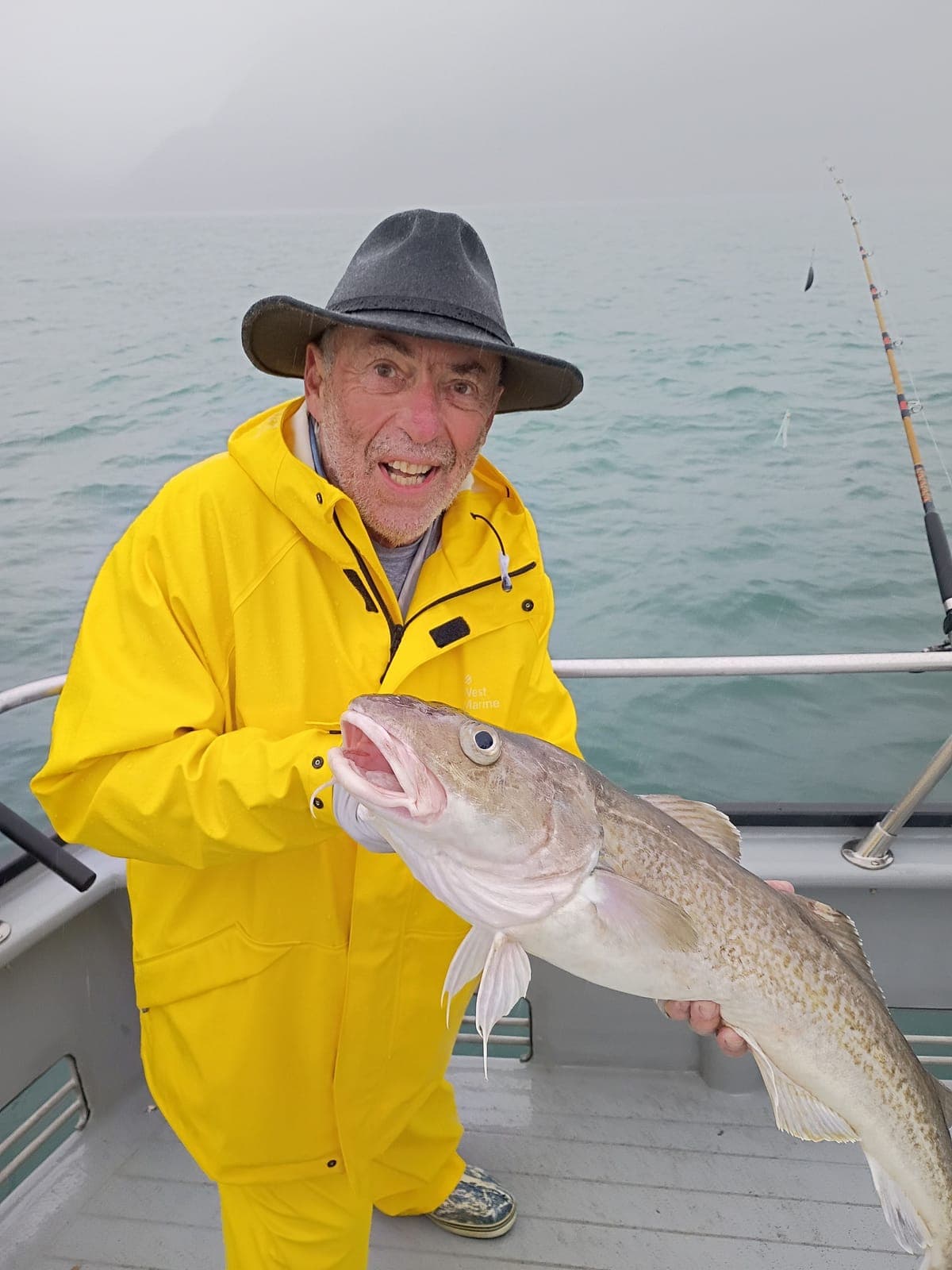
Hope all is well in your part of the world. Life here is good, we are in our happy place back in Alaska. Have run into a few friends, and will be seeing more great ones today. Dad and I are going fishing with SleepyBaySalmon and gonna haul up some halibut.
We did go out on a boat salmon fishing last Wed... When you aren't able to keep halibut (we caught like 8) but we did manage to land quite a few Pacific Cod and a few black cod...most delicious fish in the water.
We brought up youngest granddaughter and middle daughter this year. The girls did visit the Alaska Wildlife Conservation Center... Who have been doing the wood bison releases, and took a Glacier boat tour, and the Sea Life Center.
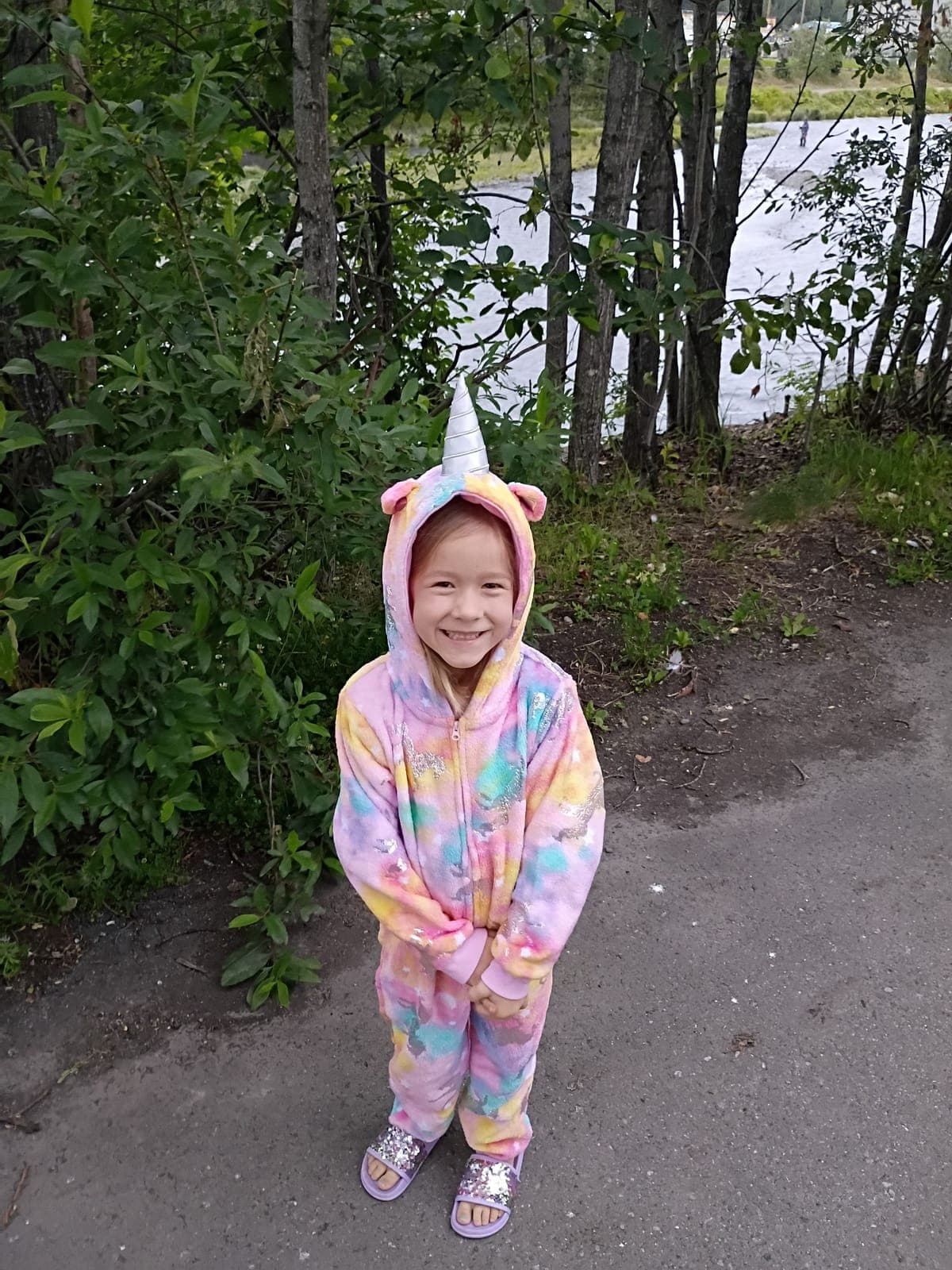
We did find a wild Alaskan unicorn, it's such a blessing to have 4 generations of family here.
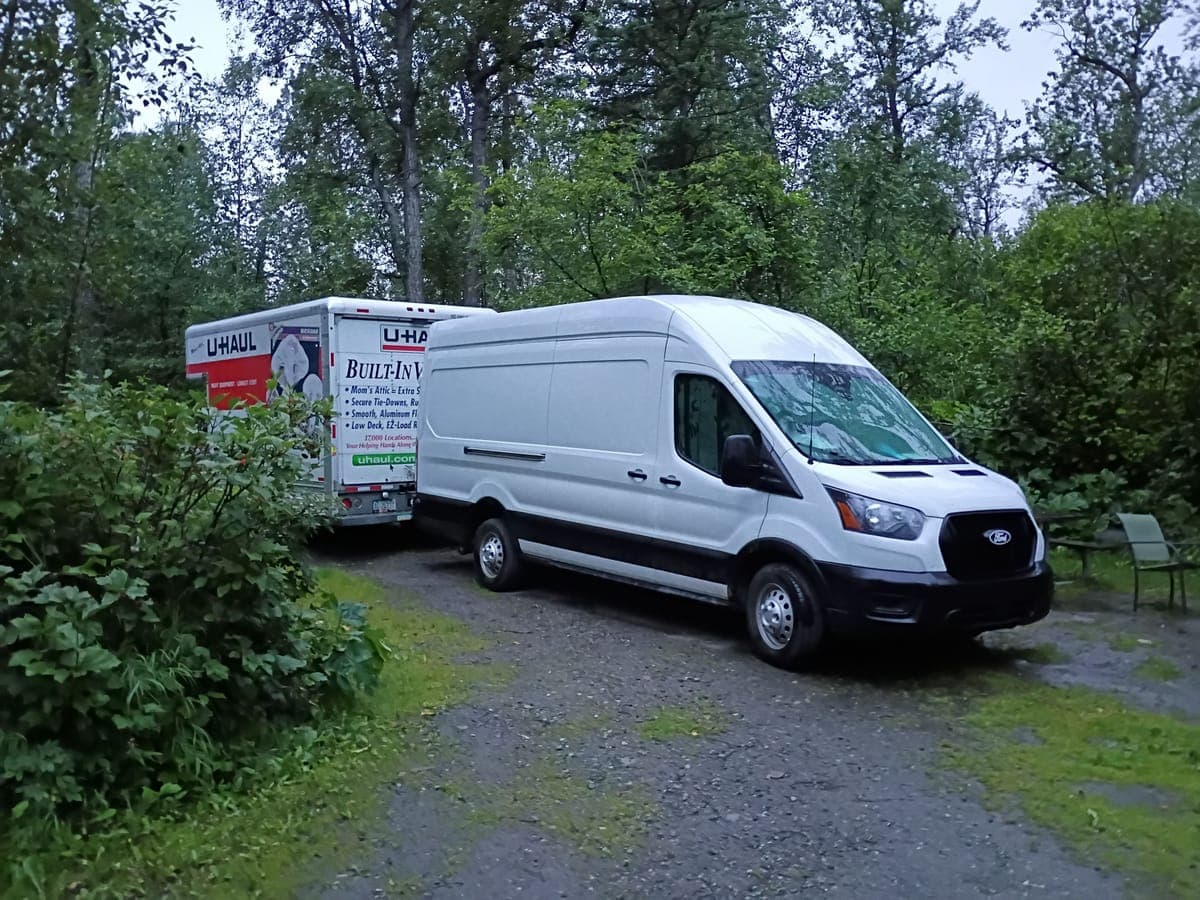
So it's our usual van camping, boondocking river chasing pre-fair fun. Seriously considering doing a caravan next year if any of y'all want to join us. Just rent a van or RV and have some fun. No agenda, just go do what you want, have fun and we can hang out and enjoy the most beautiful place in the world. We have a bit of experience in this, and would love to share it with friends. This is 18 years doing this
yes, we currently do live in a van down by the river. It's cheap, it's comfortable and easy...
so with that, let's see what we can come up with here today. Trying this on the phone as my laptop is dead so it might be slightly wonky
had a great time hanging out with the most wonderful Hunter Keefe at Turning Heads Kennel. Will share more about that when we get some bandwidth (been throttled by our phone provider)
Did have a nice article come out on us this week too. link here https://www.financialcontent.com/article/abnewswire-2026-8-4-from-near-extinction-to-performance-gear-how-buffalo-wool-company-turned-bison-fiber-into-americas-best-kept-secret-in-extreme-weather-apparel
Hope you have a wonderful day!
Ron, T, and the crew here at the Buffalo Wool Co.
Bison month Gift Certificate Winners
Stephen DiLossi
Beth Summitsedge
Gail Koos
Chad Moles
I will get these sent to you as soon as I can get some signal or my laptop working again.
Thank you all for playing along with us, truly appreciate all the kind words about the barrage of stories and stuff
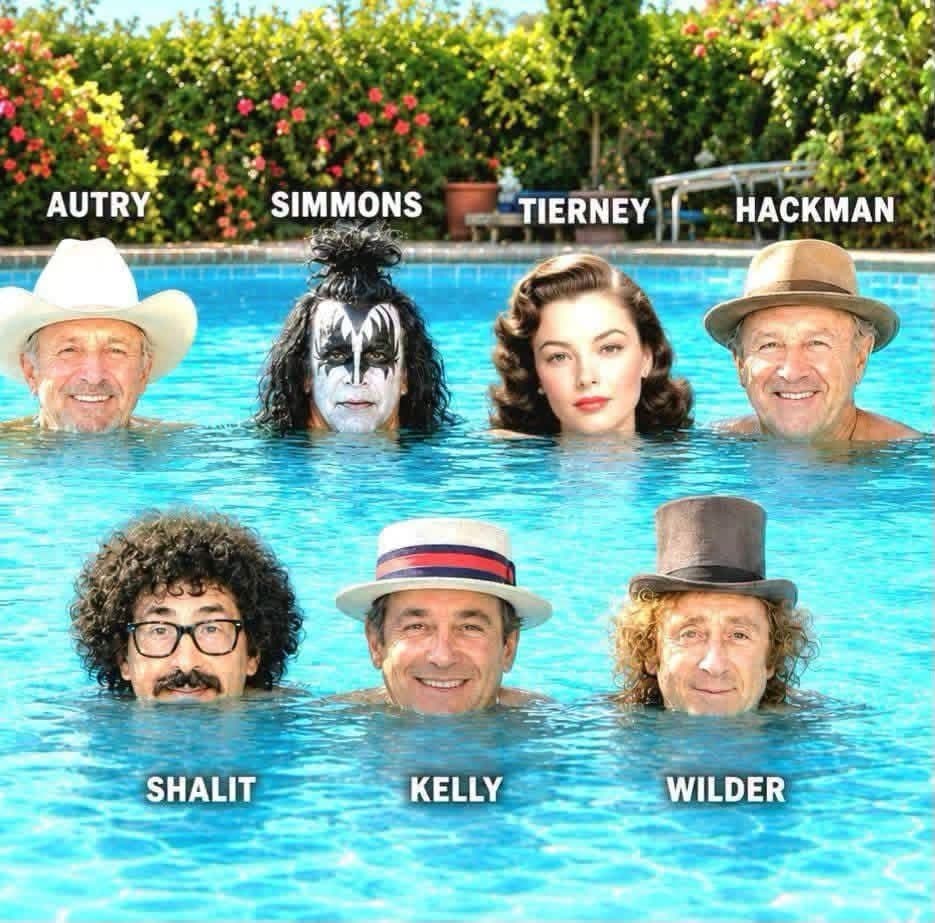
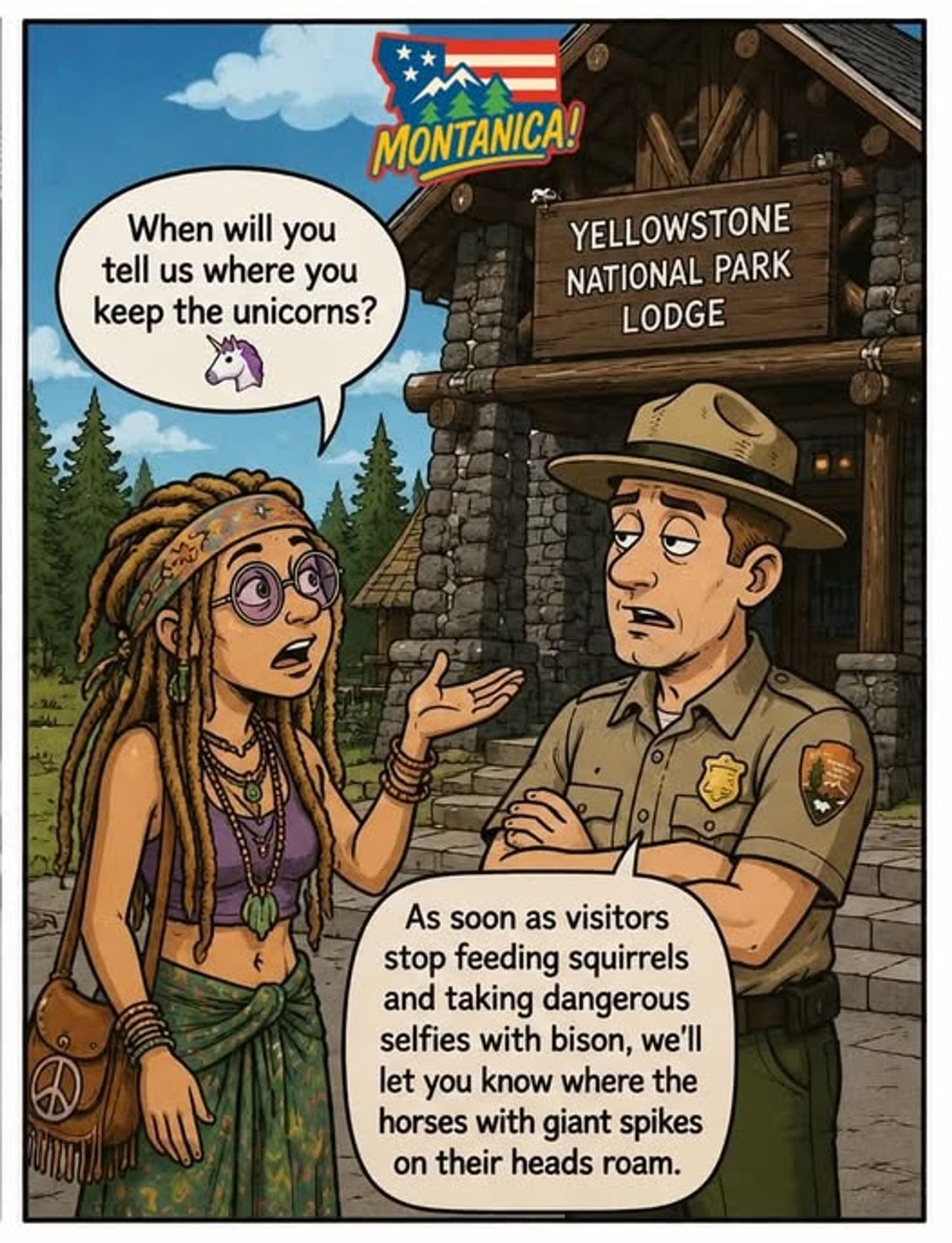
Meme of the day
the Gene Pool...
The Great Bison Adventure of Bud, Ruth, and the Broken Wagon
Once upon a time (well, around 2003) on a quiet 160-acre family farm in Hobart, Indiana—land that Bud and Wally Koeppen’s grandfather had farmed with corn and soybeans since 1932—two brothers and a determined wife named Ruth decided the ordinary just wasn’t interesting enough.Bud, a car-repair guy with grease under his nails and a soft spot for big animals, and his wife Ruth (married since 1979) got a Christmas newsletter from their old wedding photographer. The guy had traded computers for a log cabin and a herd of shaggy American bison downstate. “How the heck could he do that?” Bud wondered. So he and brother Wally (freshly retired from UPS) piled into the truck for a visit. One look at those massive, curious, grass-chomping icons of the prairie and the seed was planted. “If we’re going to lose money on this little farm,” Bud declared, “we might as well lose it on something a little more interesting.”
Ruth, never one to sit on the sidelines, rolled up her sleeves. Together the three of them spent months pounding posts, stretching six-foot fences, building a corral and handling facility, and joining the National Bison Association. Then came the big day: Thanksgiving-ish 2003. A trailer rolled up carrying their first ten bison—seven breed cows, two heifer calves, and one yearling bull with attitude to spare. They named him Big Bad John, after the classic song, because of course they did. Big Bad John stepped off the trailer, surveyed his new domain, and seemed to say, “Alright, humans… show me what you’ve got.”
The herd grew. The pastures filled with more than a hundred of the magnificent beasts—curious Daisy (bottle-fed with one shorter horn), pink-tongued Pink, solid Blackjack, and regal Roosevelt among them. The bison developed personalities as big as their shoulders. They’d swarm the wagon for alfalfa cubes, follow a “funeral procession” if one of their own was moved, and race across the fields at 35 miles an hour just because they could. Bud found his passion. The quiet car mechanic who “wasn’t normally a people person” lit up on tour days, handing out jerky sticks, sharing bison facts, and watching kids’ eyes go wide as the wagon rolled right into the middle of the herd. Ruth held up soft bison hair for visitors to feel and kept the gift shop stocked with leather goods, hides, jewelry, and the best locally raised bison meat around. Wally kept the operation humming.
Their motto practically wrote itself on a baseball cap: “Make America Graze Again.”One sunny Saturday the wagon rattled out with a full load of laughing visitors. Big Bad John’s descendants (and a few calves doing “zoomies”) surrounded them. Bud tossed treats. Ruth laughed as a curious yearling nosed the side of the wagon. Somewhere in the crowd a little kid whispered, “They’re like living history!” And for a moment, on that third-generation Indiana farm, America’s past wasn’t just remembered—it was snorting, grazing, and living large right in front of everyone.That night, after the last visitor left and the store lights dimmed, Bud, Ruth, and Wally sat on the porch looking out over the pastures. The bison were dark shapes against the fading sky. “Not much more Americana than this,” Bud said with a grin.And the bison, if they could talk, would probably agree—though they’d insist on more alfalfa cubes first.
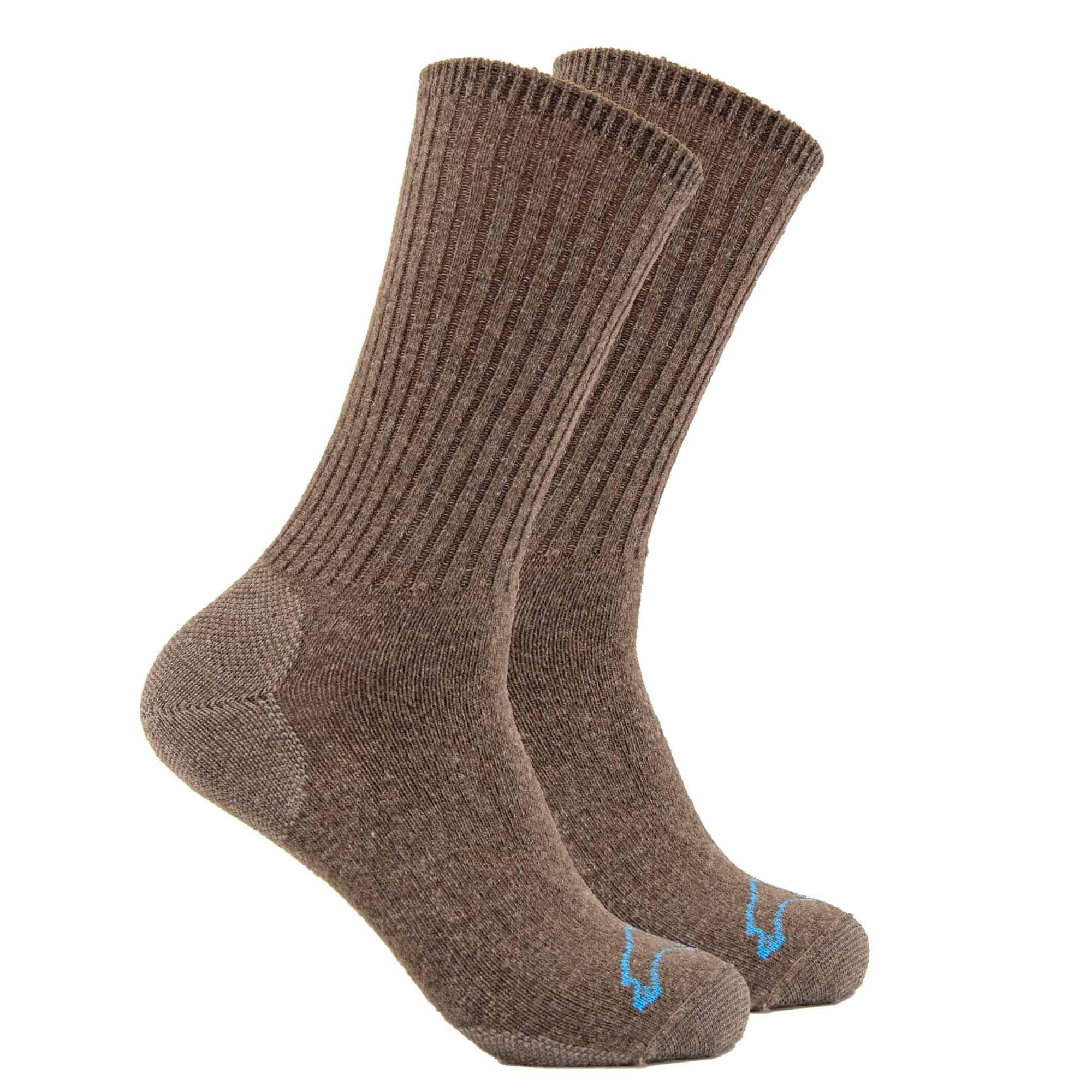
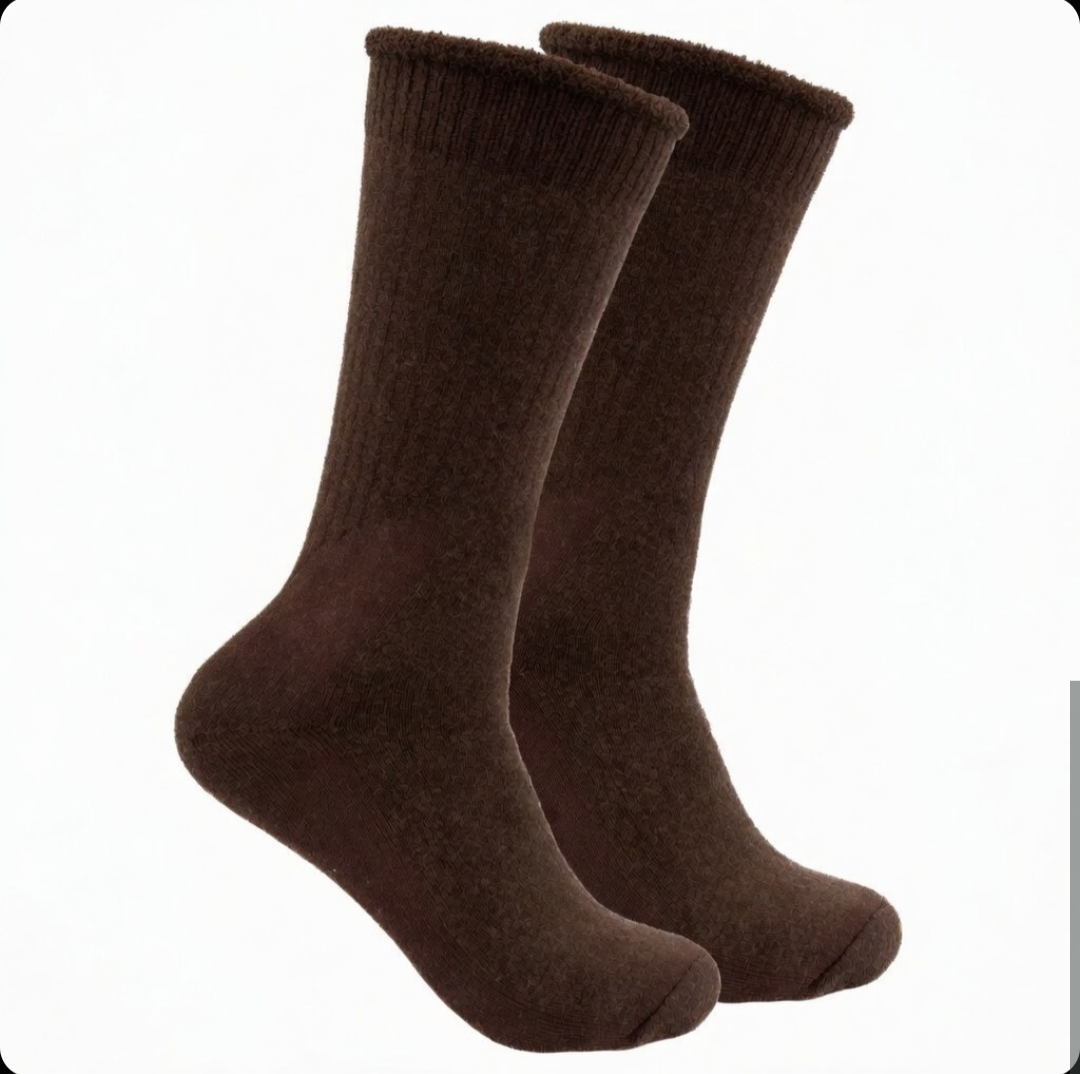
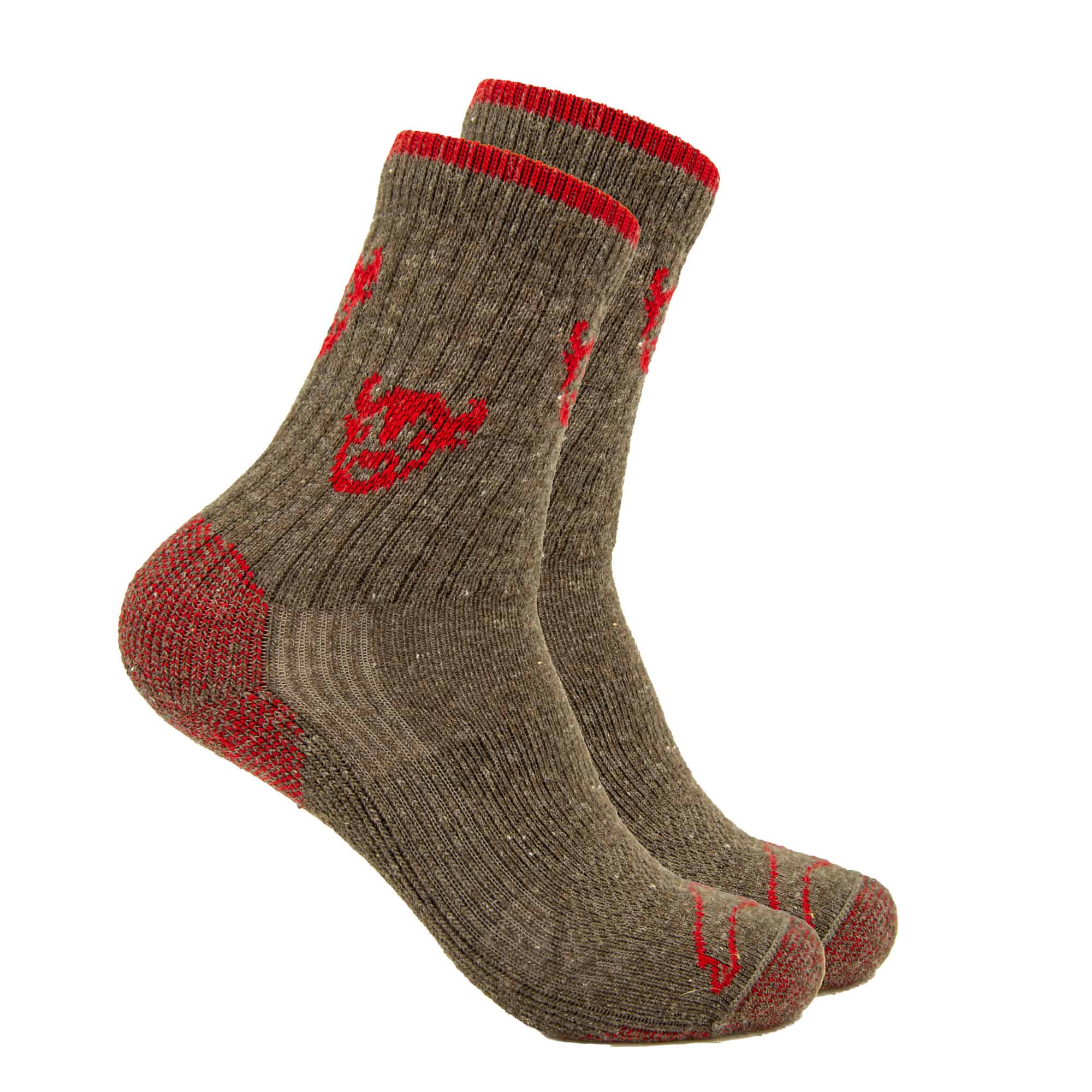
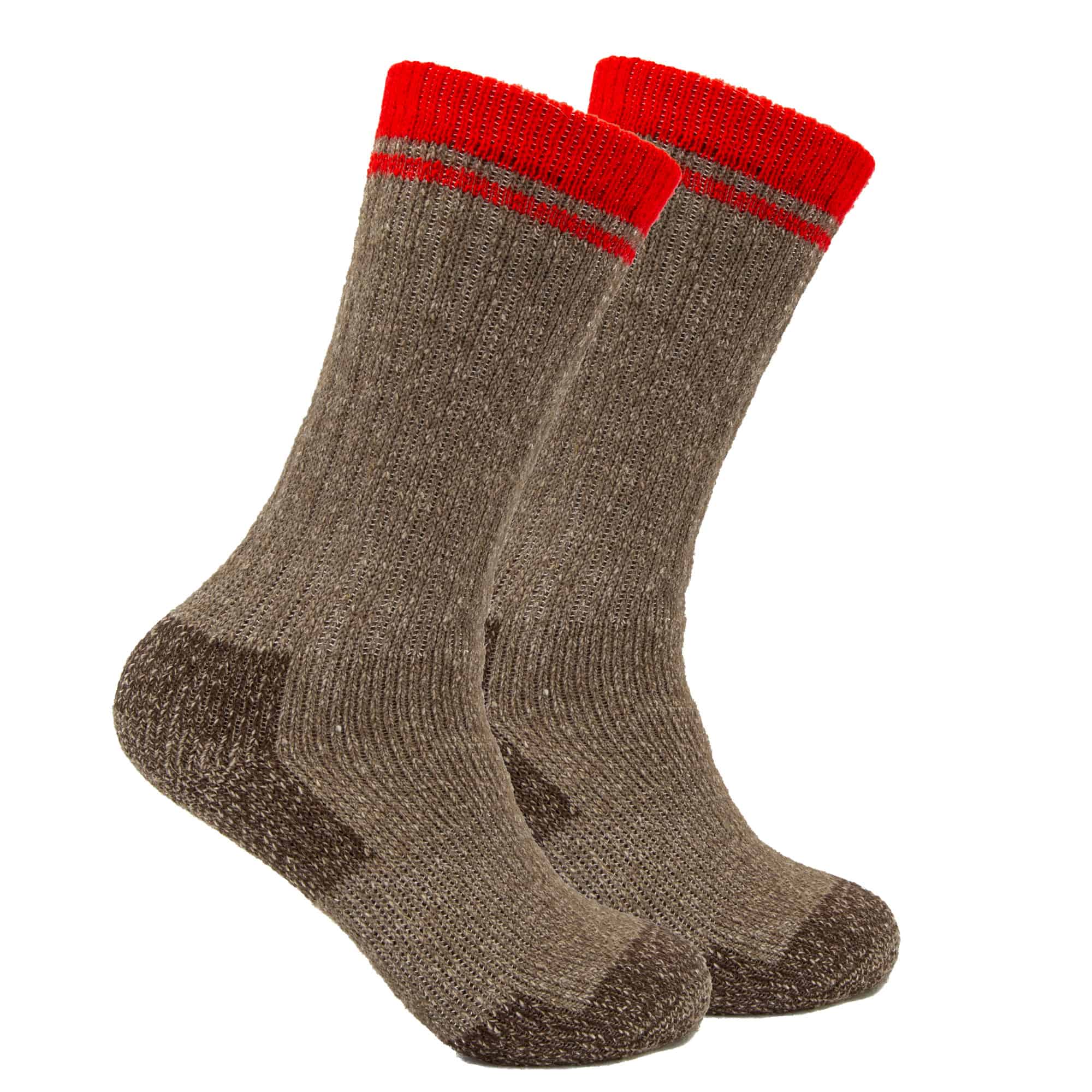
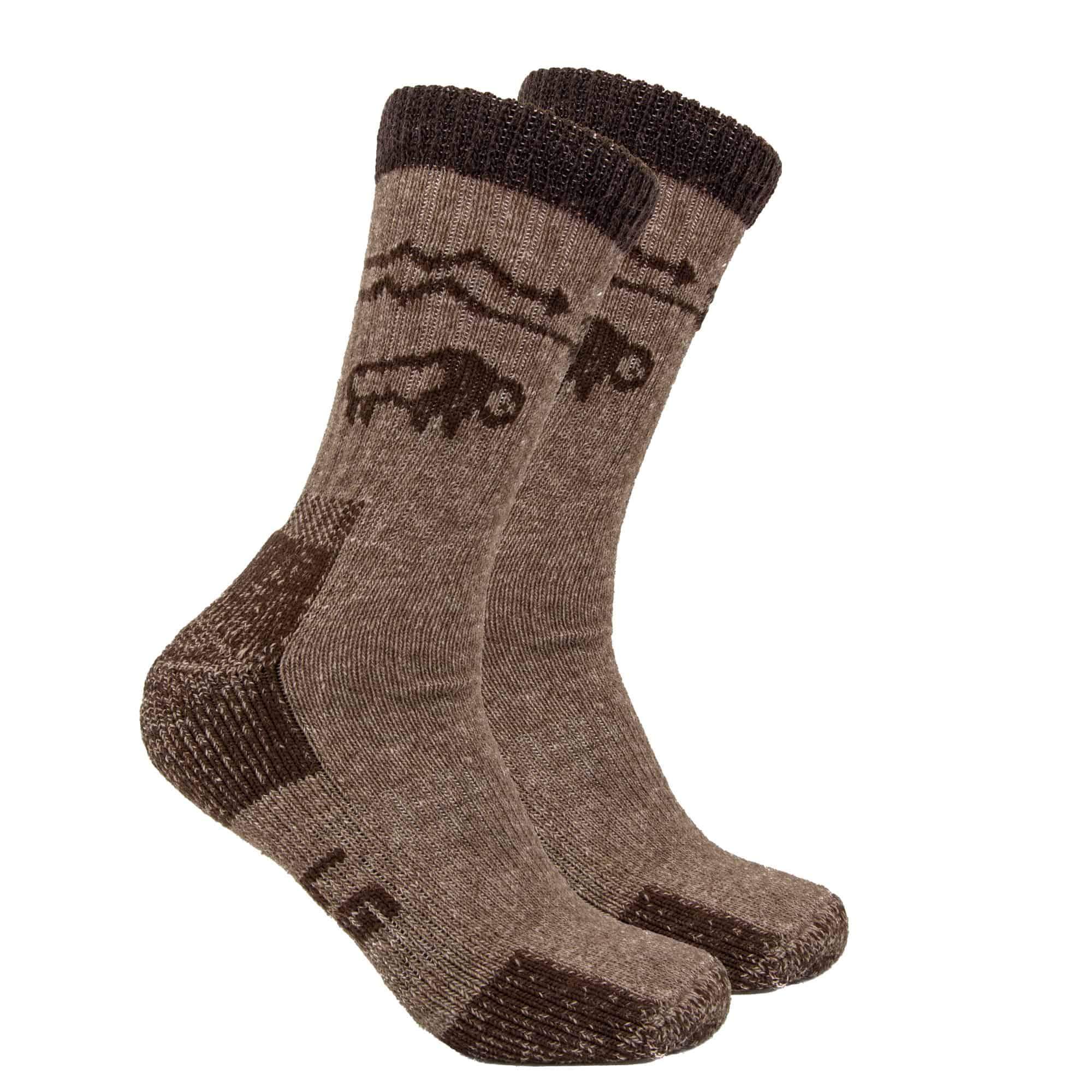
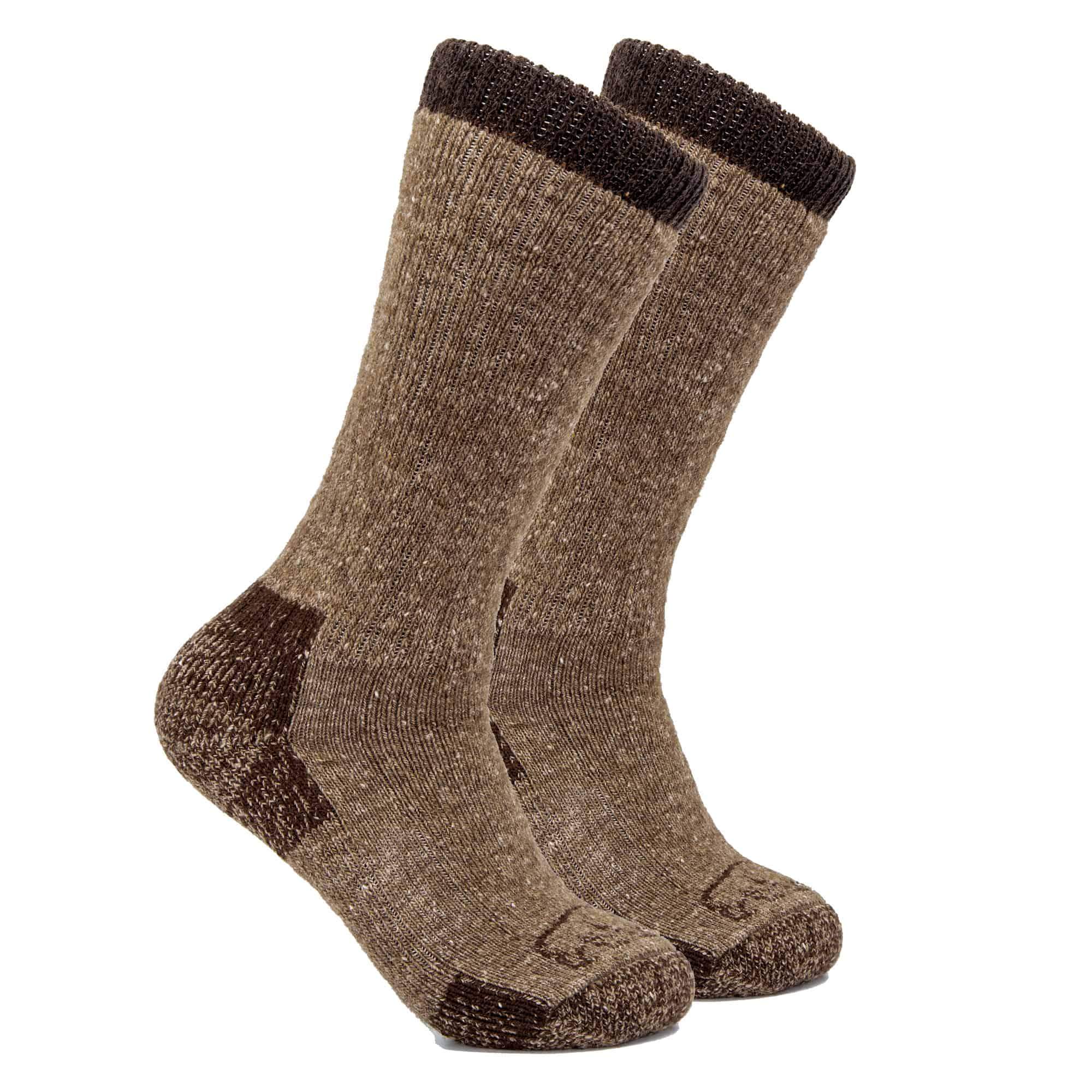
Sport Socks
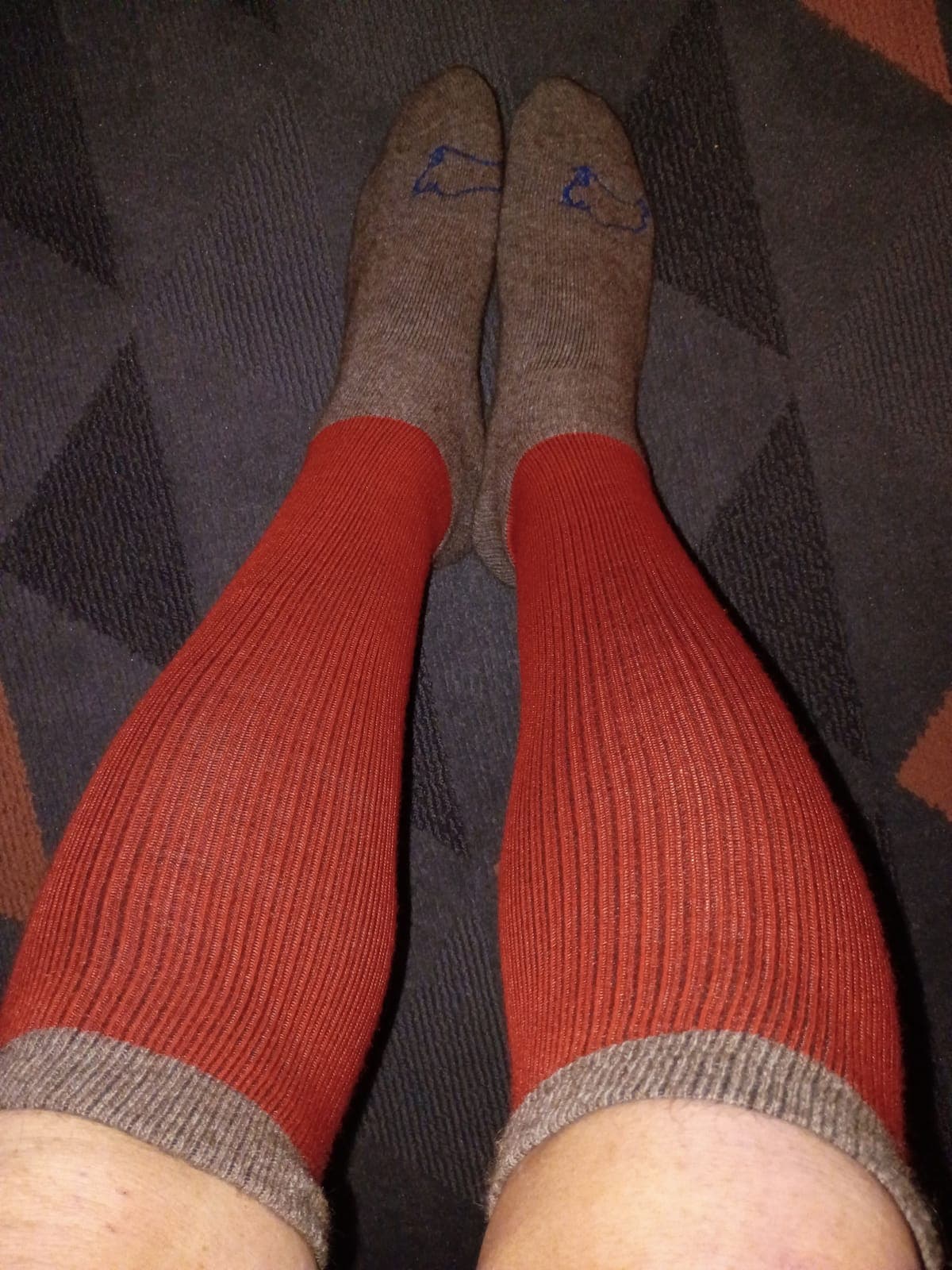
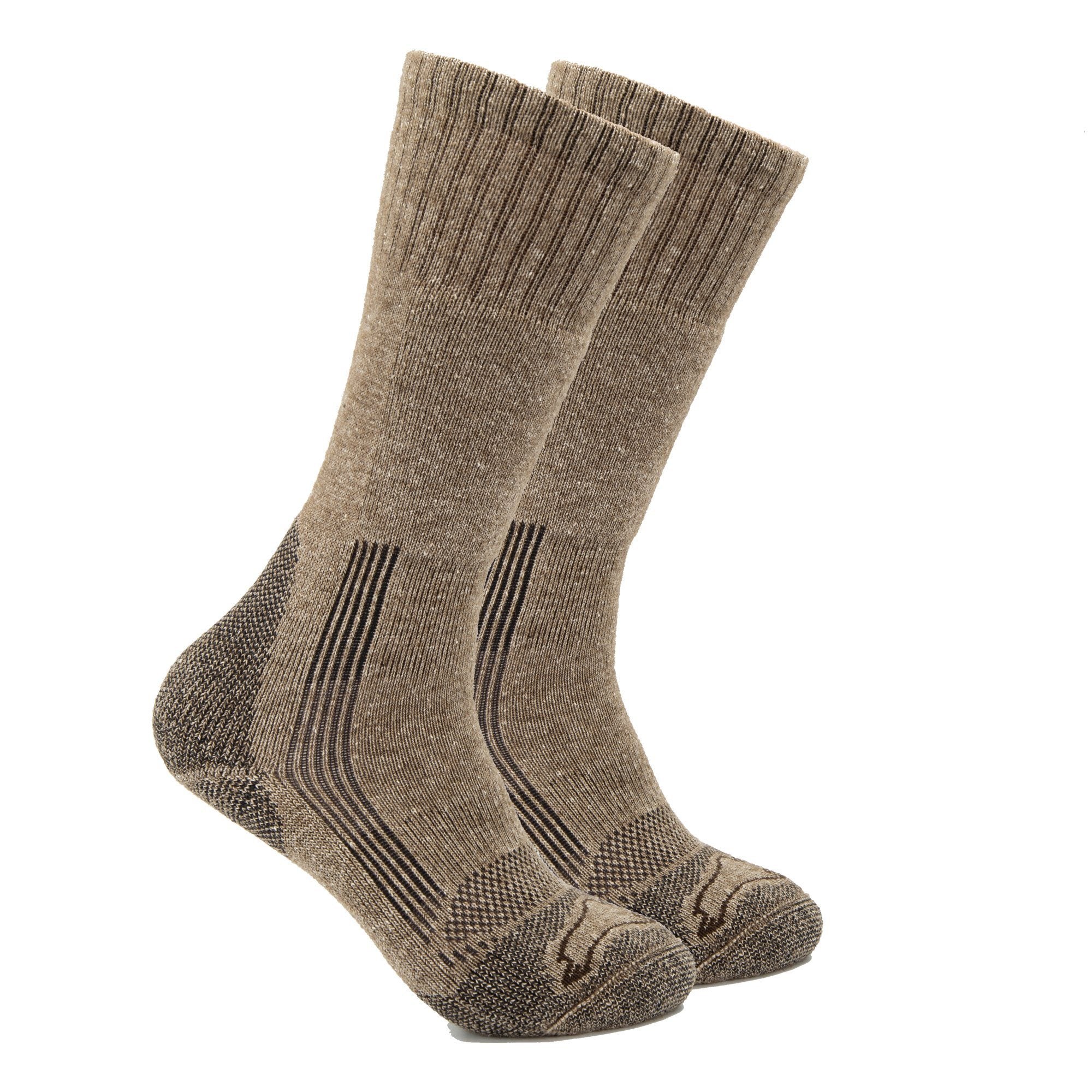
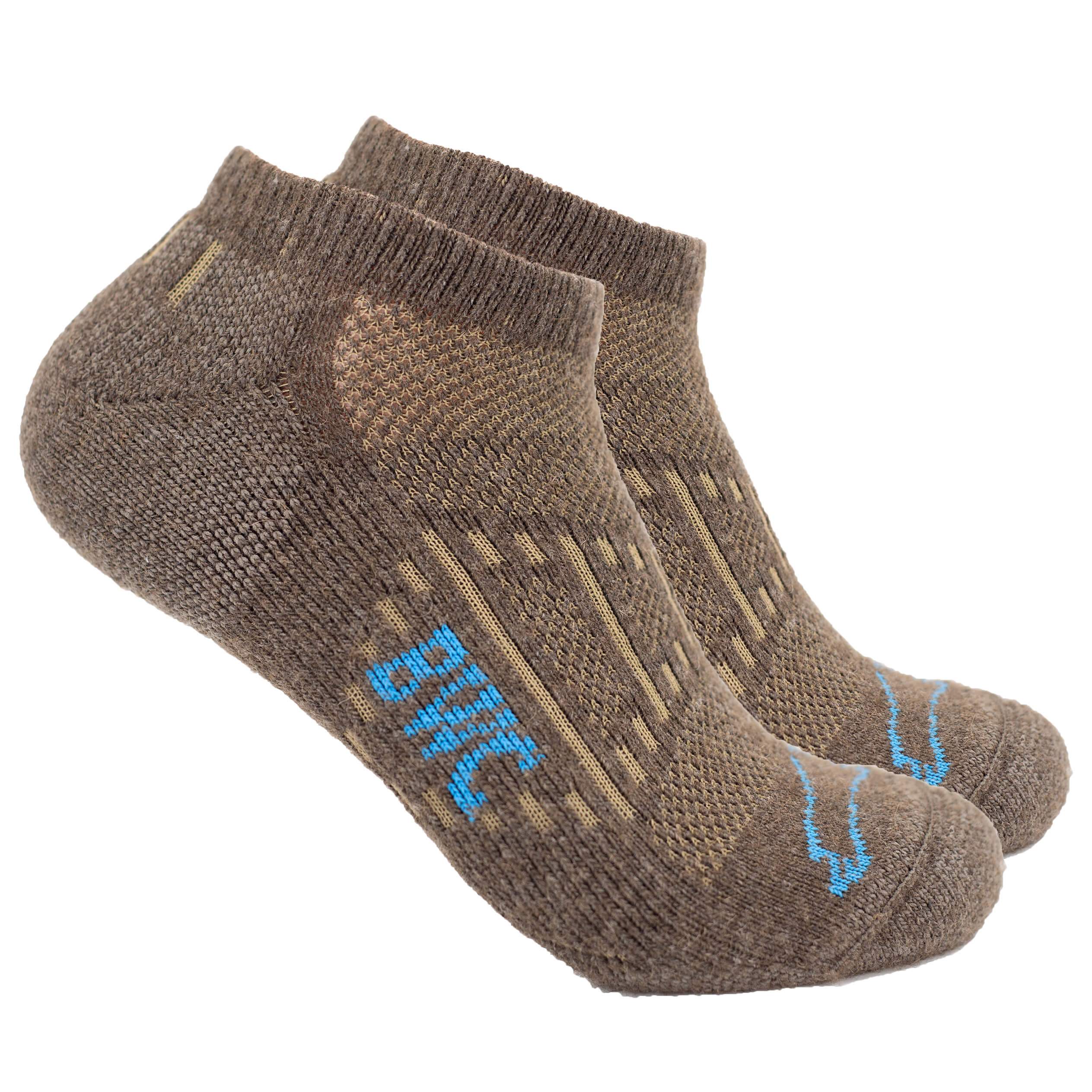
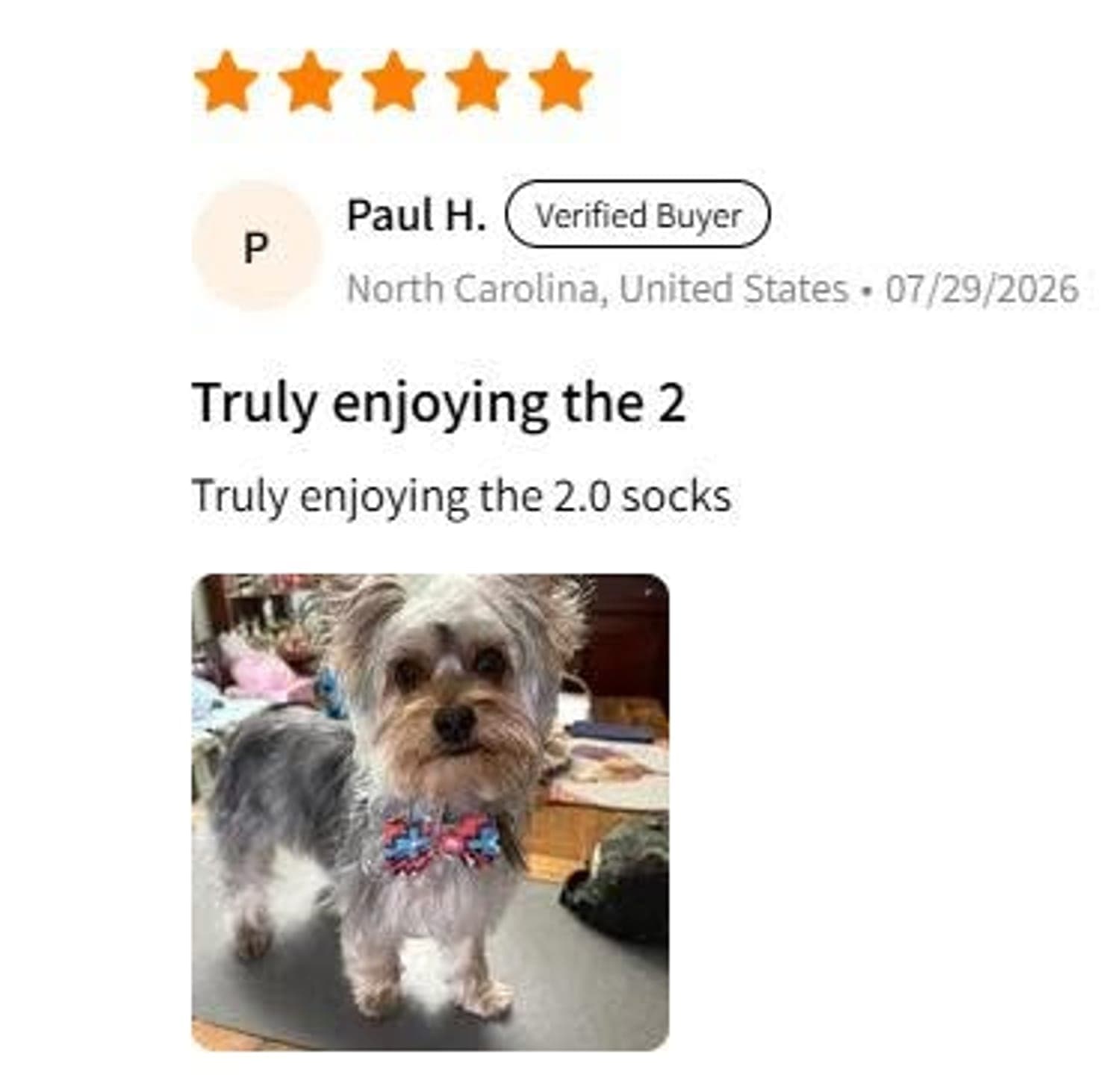
These things might be the best we have ever made. Been wearing this pair for a couple weeks now and have never felt better. They are basically our OTC compression socks without the compression. They feel flipping amazing.
Perfect for football, basketball, hockey, or just doing the usual stuff you do.
will be a little bit before we have these available... But in the meantime I have a question for y'all.
What color combos should we do? That is where we are. Let us know what you think please.
BWC Stuff in process
So, have a fair bit of stuff in the works. Looks like we are gonna be making some pure American wool products for this fall. Will be a fair bit less expensive than the bison stuff, but it will be our standard high end quality.
We also have the pure bison and copper yarn spun and Mike at the Knitting Mill will be doing prototypes of our new Faraday Hat soon. I'm excited about these.
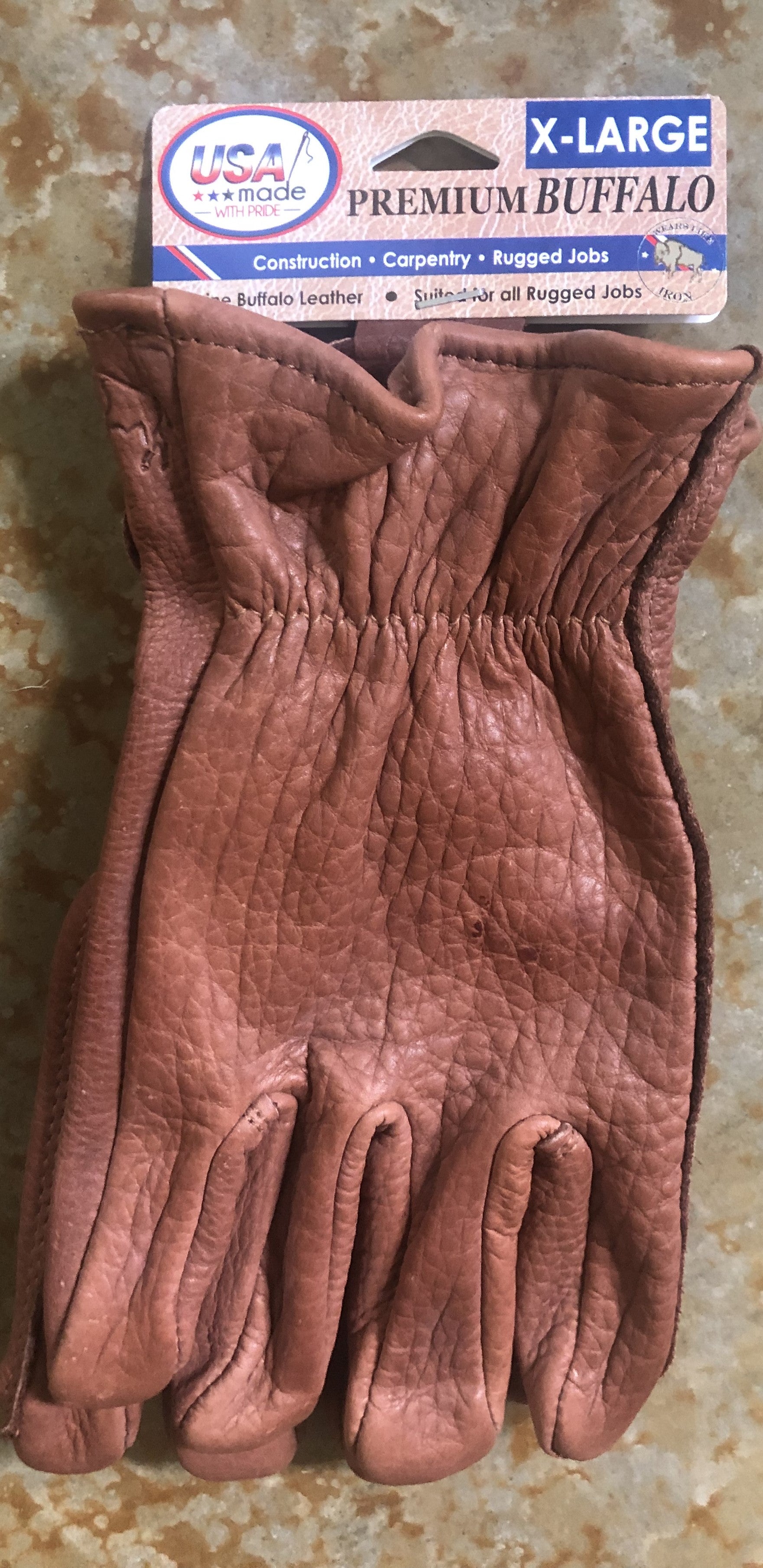
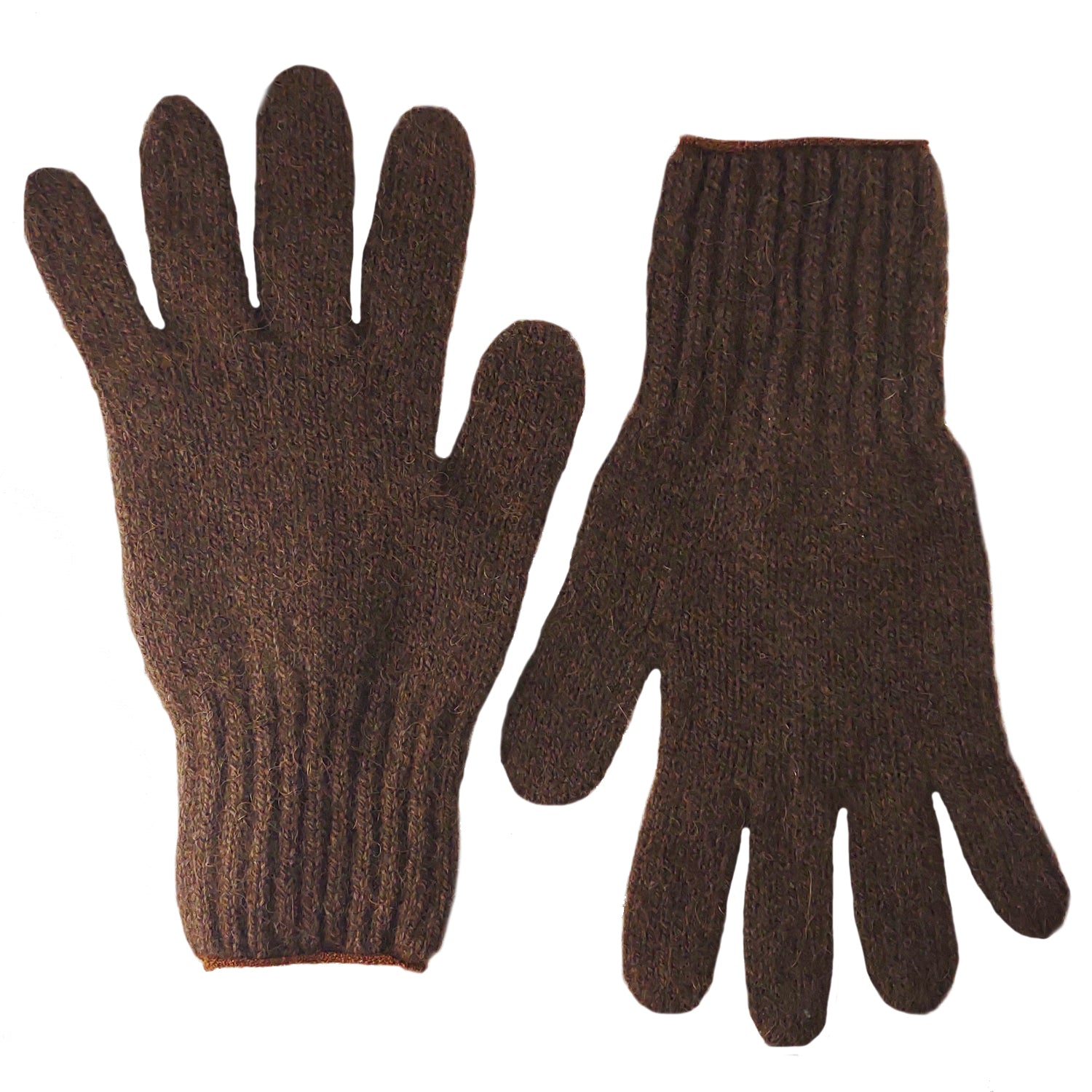
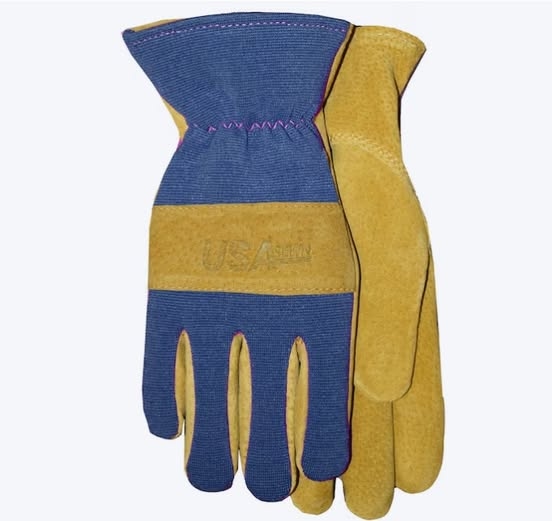
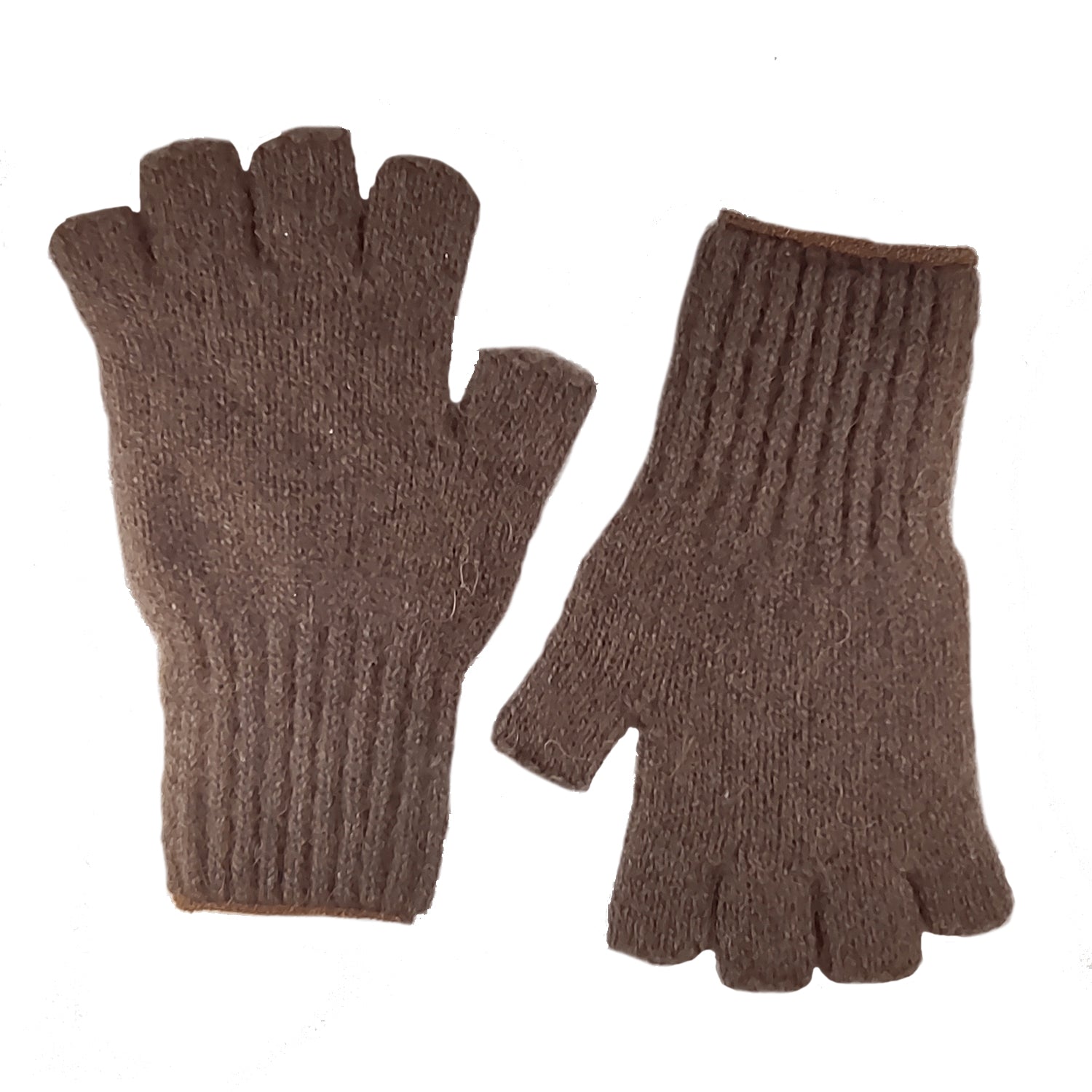
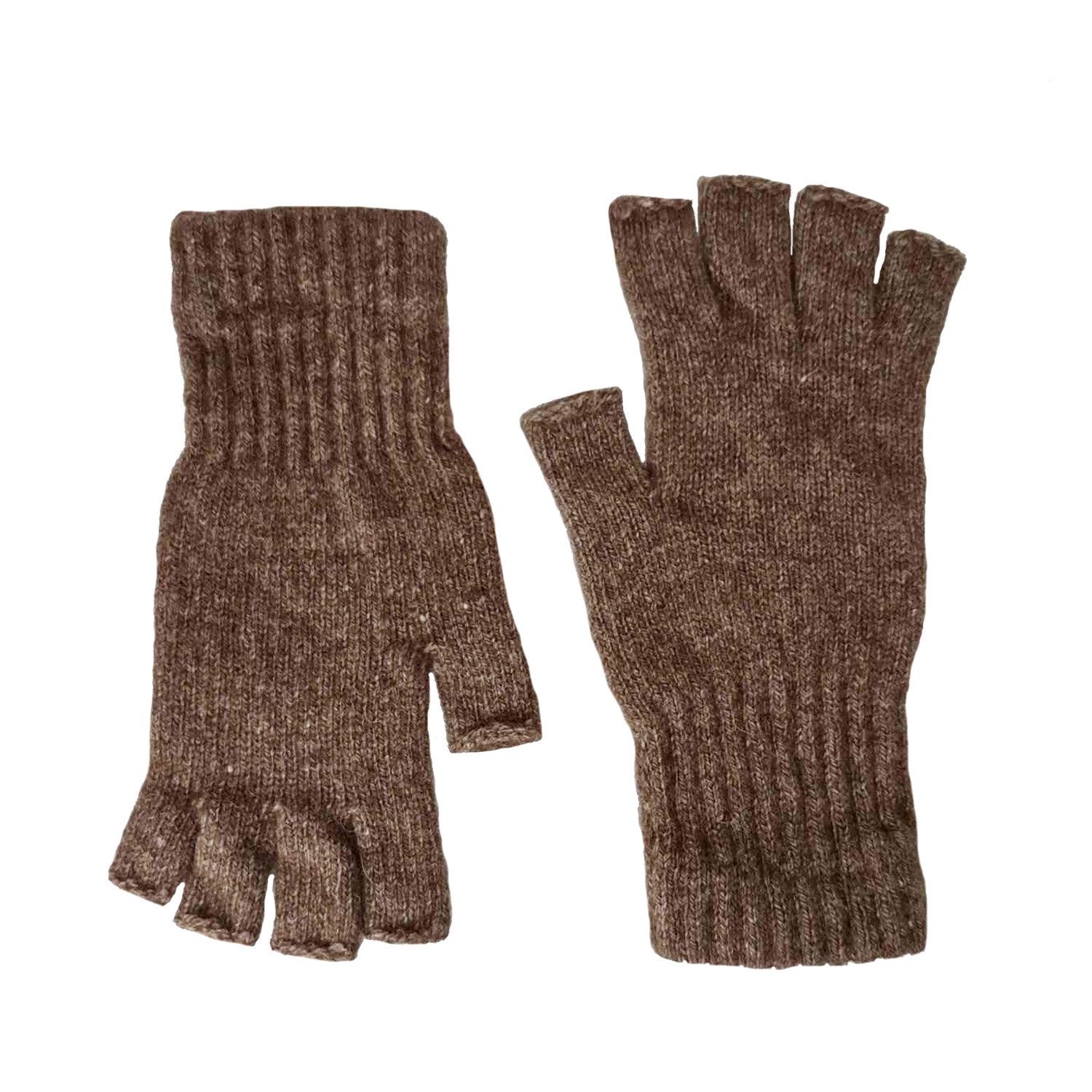
CAROLINA GLOVE just completed it's first run of bison leather work gloves - production samples in hand at Buffalo Wool Co. They are cut with the same dies they got from Midwest glove - the gloves above that we sold for close to ten years, the Bad News ... but expected; price is up .... but they will be a great addition to our line-up. Stay tuned. If you need anything other than Large, we still have some left in stock. Up
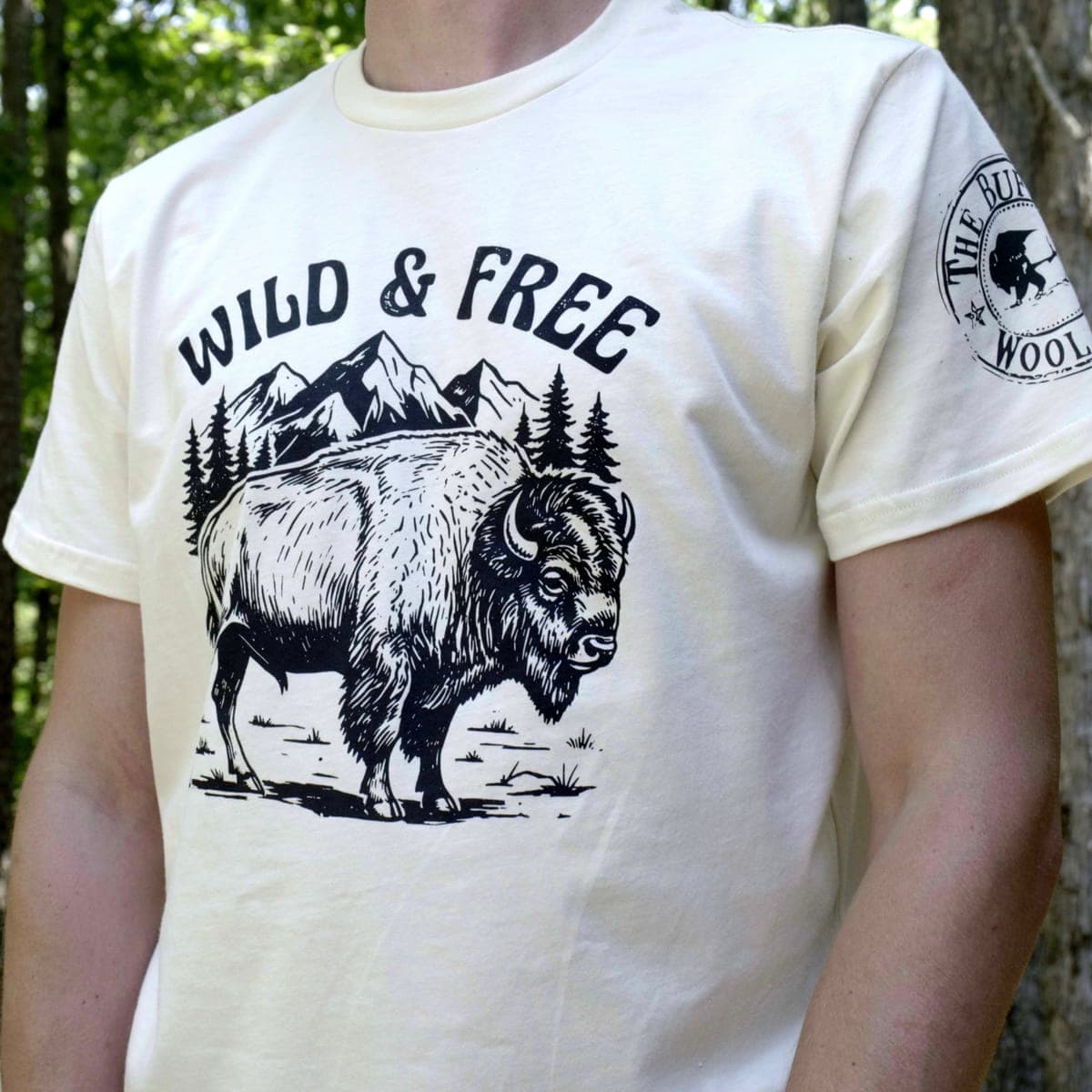
New shirts just got here from American Lictor.
really love this one, will ship on Monday.
This post was published
Hello and Happy Saturday Friends!
Hope all is well in your part of the world. Life here is good, we are in our happy place back in Alaska. Have run into a few friends, and will be seeing more great ones today. Dad and I are going fishing with SleepyBaySalmon and gonna haul up some halibut.
We did go out on a boat salmon fishing last Wed... When you aren't able to keep halibut (we caught like 8) but we did manage to land quite a few Pacific Cod and a few black cod...most delicious fish in the water.
We brought up youngest granddaughter and middle daughter this year. The girls did visit the Alaska Wildlife Conservation Center... Who have been doing the wood bison releases, and took a Glacier boat tour, and the Sea Life Center.
We did find a wild Alaskan unicorn, it's such a blessing to have 4 generations of family here.
So it's our usual van camping, boondocking river chasing pre-fair fun. Seriously considering doing a caravan next year if any of y'all want to join us. Just rent a van or RV and have some fun. No agenda, just go do what you want, have fun and we can hang out and enjoy the most beautiful place in the world. We have a bit of experience in this, and would love to share it with friends. This is 18 years doing this
yes, we currently do live in a van down by the river. It's cheap, it's comfortable and easy...
so with that, let's see what we can come up with here today. Trying this on the phone as my laptop is dead so it might be slightly wonky
Hope you have a wonderful day!
Ron, T, and the crew here at the Buffalo Wool Co.
Bison month Gift Certificate Winners
Stephen DiLossi
Beth Summitsedge
Gail Koos
Chad Moles
I will get these sent to you as soon as I can get some signal or my laptop working again.
Thank you all for playing along with us, truly appreciate all the kind words about the barrage of stories and stuff
Meme of the day
the Gene Pool...
The Great Bison Adventure of Bud, Ruth, and the Broken Wagon
Once upon a time (well, around 2003) on a quiet 160-acre family farm in Hobart, Indiana—land that Bud and Wally Koeppen’s grandfather had farmed with corn and soybeans since 1932—two brothers and a determined wife named Ruth decided the ordinary just wasn’t interesting enough.Bud, a car-repair guy with grease under his nails and a soft spot for big animals, and his wife Ruth (married since 1979) got a Christmas newsletter from their old wedding photographer. The guy had traded computers for a log cabin and a herd of shaggy American bison downstate. “How the heck could he do that?” Bud wondered. So he and brother Wally (freshly retired from UPS) piled into the truck for a visit. One look at those massive, curious, grass-chomping icons of the prairie and the seed was planted. “If we’re going to lose money on this little farm,” Bud declared, “we might as well lose it on something a little more interesting.”
Ruth, never one to sit on the sidelines, rolled up her sleeves. Together the three of them spent months pounding posts, stretching six-foot fences, building a corral and handling facility, and joining the National Bison Association. Then came the big day: Thanksgiving-ish 2003. A trailer rolled up carrying their first ten bison—seven breed cows, two heifer calves, and one yearling bull with attitude to spare. They named him Big Bad John, after the classic song, because of course they did. Big Bad John stepped off the trailer, surveyed his new domain, and seemed to say, “Alright, humans… show me what you’ve got.”
The herd grew. The pastures filled with more than a hundred of the magnificent beasts—curious Daisy (bottle-fed with one shorter horn), pink-tongued Pink, solid Blackjack, and regal Roosevelt among them. The bison developed personalities as big as their shoulders. They’d swarm the wagon for alfalfa cubes, follow a “funeral procession” if one of their own was moved, and race across the fields at 35 miles an hour just because they could. Bud found his passion. The quiet car mechanic who “wasn’t normally a people person” lit up on tour days, handing out jerky sticks, sharing bison facts, and watching kids’ eyes go wide as the wagon rolled right into the middle of the herd. Ruth held up soft bison hair for visitors to feel and kept the gift shop stocked with leather goods, hides, jewelry, and the best locally raised bison meat around. Wally kept the operation humming.
Their motto practically wrote itself on a baseball cap: “Make America Graze Again.”One sunny Saturday the wagon rattled out with a full load of laughing visitors. Big Bad John’s descendants (and a few calves doing “zoomies”) surrounded them. Bud tossed treats. Ruth laughed as a curious yearling nosed the side of the wagon. Somewhere in the crowd a little kid whispered, “They’re like living history!” And for a moment, on that third-generation Indiana farm, America’s past wasn’t just remembered—it was snorting, grazing, and living large right in front of everyone.That night, after the last visitor left and the store lights dimmed, Bud, Ruth, and Wally sat on the porch looking out over the pastures. The bison were dark shapes against the fading sky. “Not much more Americana than this,” Bud said with a grin.And the bison, if they could talk, would probably agree—though they’d insist on more alfalfa cubes first.
Sport Socks
These things might be the best we have ever made. Been wearing this pair for a couple weeks now and have never felt better. They are basically our OTC compression socks without the compression. They feel flipping amazing.
Perfect for football, basketball, hockey, or just doing the usual stuff you do.
will be a little bit before we have these available... But in the meantime I have a question for y'all.
What color combos should we do? That is where we are. Let us know what you think please.
BWC Stuff in process
So, have a fair bit of stuff in the works. Looks like we are gonna be making some pure American wool products for this fall. Will be a fair bit less expensive than the bison stuff, but it will be our standard high end quality.
We also have the pure bison and copper yarn spun and Mike at the Knitting Mill will be doing prototypes of our new Faraday Hat soon. I'm excited about these.
CAROLINA GLOVE just completed it's first run of bison leather work gloves - production samples in hand at Buffalo Wool Co. They are cut with the same dies they got from Midwest glove - the gloves above that we sold for close to ten years, the Bad News ... but expected; price is up .... but they will be a great addition to our line-up. Stay tuned. If you need anything other than Large, we still have some left in stock. Up
New shirts just got here from American Lictor.
really love this one, will ship on Monday.
This post was published
Happy Bison Month!! LAST ONE
and I am gonna skip tomorrows note as well.. have been way too many of these, and I know we all need a break, but we made it all the way through.
Today we are gonna cover the creation of the National Bison Association from the merger of the two prior organizations.. it is how we got to where we are now. T, Dad and I all serve in these organizations, because we believe in the mission, and think it's important to our land.
These have been fun, these are not random folks we have been writing about, they are our dear friends and I have really enjoyed learning more about their beginnings and how they got where they are. So many more good stories to tell, but gonna space them out over the next couple years.
And I mentioned there would be a test with prizes at the end of this... so here it goes, Tell us your favorite story from this month and why? will announce winners in next Saturdays note... there will be several BWC Gift Certificate prizes, will pick at random from all entries, send to Adventure@thebuffalowoolco.com (keeps them out of the general mailbox)
Some more housekeeping, the sock price increase goes live tomorrow, and honestly I hate doing it, but all our costs have risen, transport, materials, labor, etc, and our supply is tighter than ever before... just hoping not to run out before the holidays. We have also finally got the new "Sport Sock" samples to the Buffalo Bills... will see how that plays out. Going after SDSU and CU next... these things are so nice, very happy with how they turned out. Will have them publicly available before too awful long. It's maybe our best sock yet.
Also the Ribeye steal deal from Northstar is live now, save 26% on some seriously delicious steaks with code "BISON26" at www.Northstarbison.com
Hope you had a wonderful week, we have made it to the weekend (almost)
Ron & T, and the crew here at the BWC
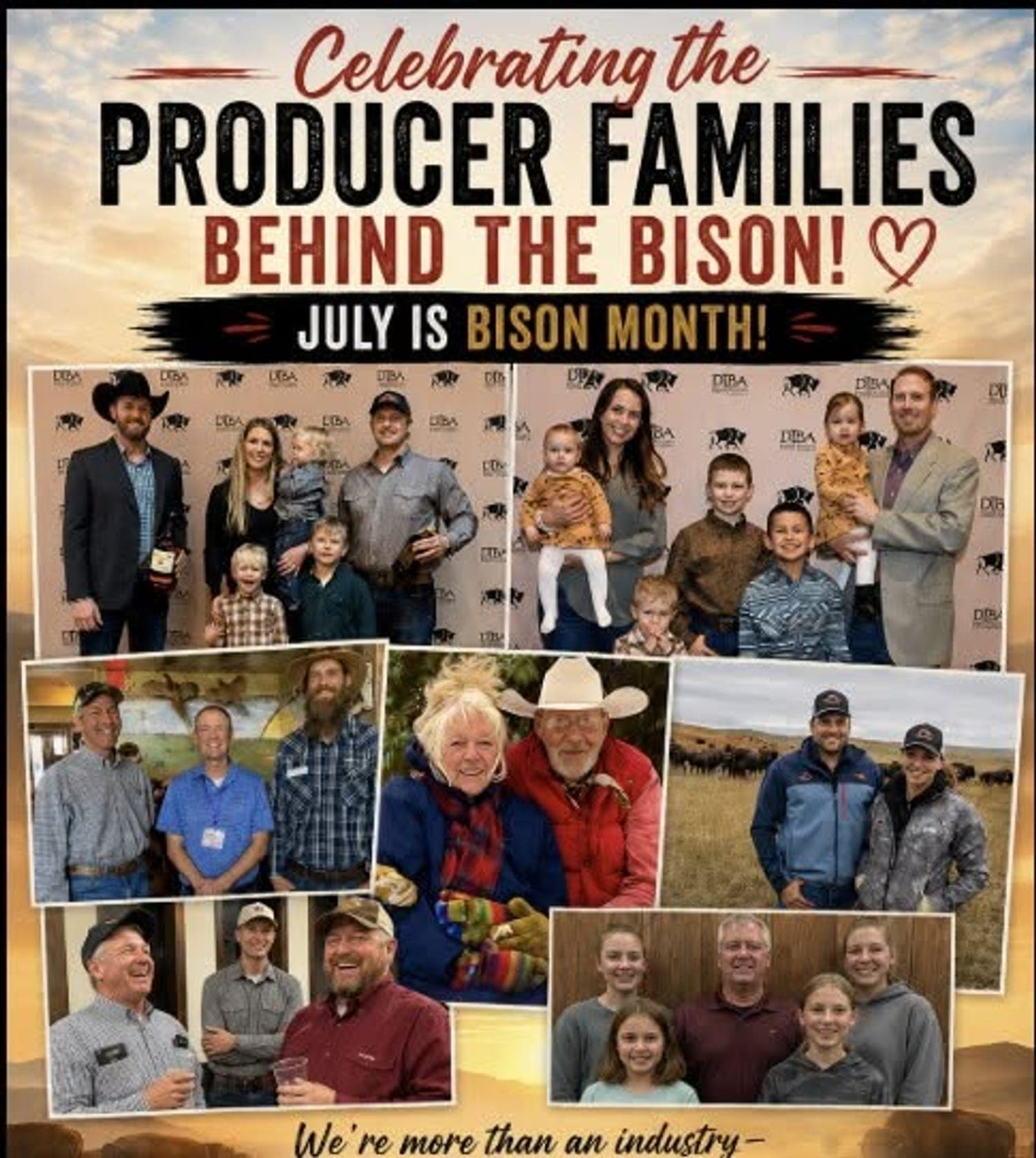
From the Dakota Territory Bison Association.. these are some of the families making the greatest comeback story in history happen.
The Formation of the National Bison Association: Uniting Two Pioneer Organizations
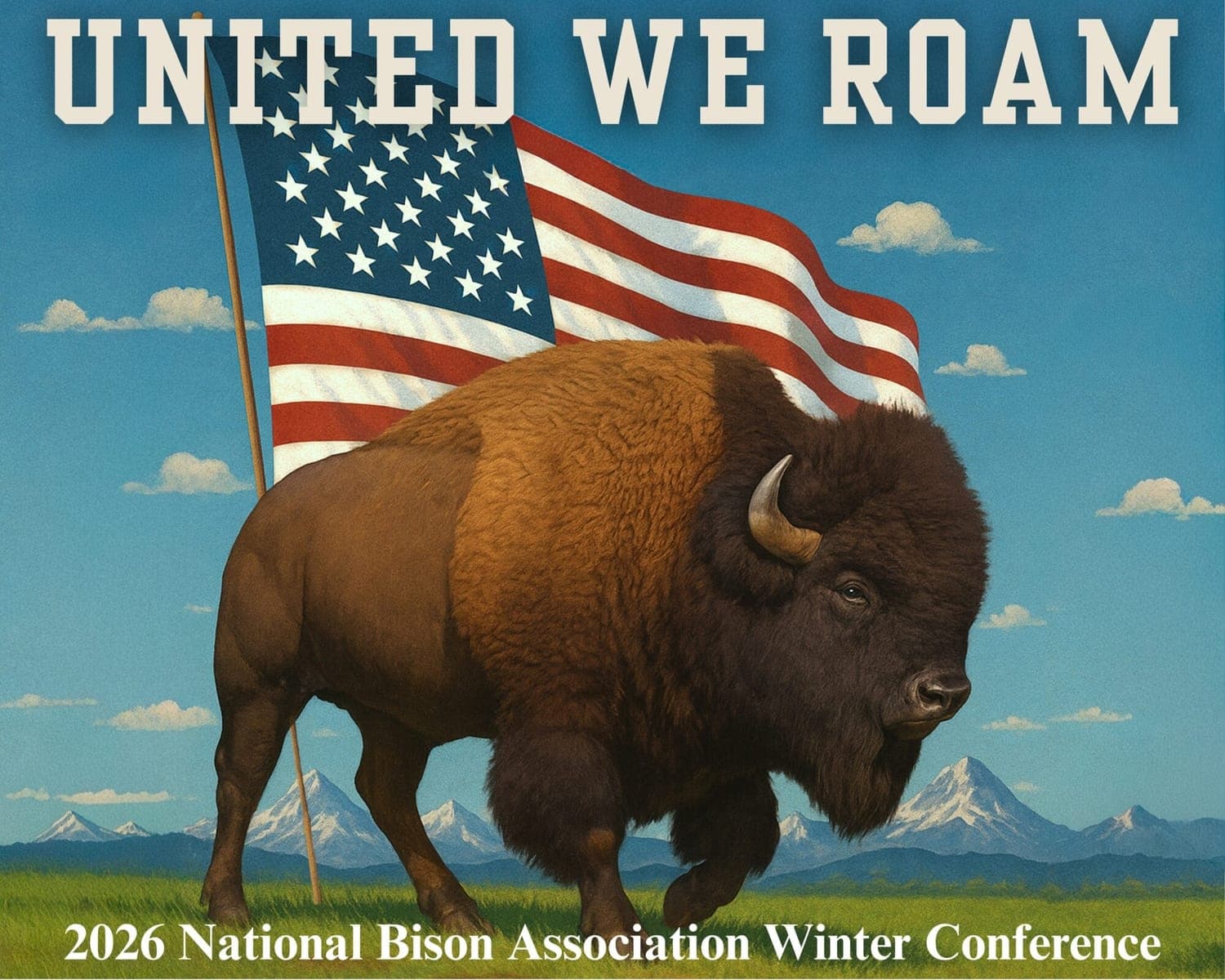
In 1995, a pivotal moment in the modern history of the American bison industry occurred when two established producer organizations—the National Buffalo Association and the American Bison Association—merged to form the National Bison Association (NBA). This union created a single, stronger national voice for bison producers, processors, marketers, and enthusiasts at a time when private herds were expanding and the commercial bison sector was maturing.
Background: Two Organizations Serving a Growing Industry
By the mid-20th century, American bison had rebounded significantly from near-extinction in the late 1800s, thanks to conservation efforts, public herds, and a growing number of private ranchers. As commercial interest in raising bison for meat, hides, and other products increased, producers sought organized representation.The National Buffalo Association was chartered in 1966 (with some contemporary accounts noting formal activity around 1967). It emerged as one of the earliest national groups focused on private bison ownership and production. Early members included ranchers who had built substantial herds from animals sourced from public lands and other private stock. The organization provided a forum for sharing knowledge, addressing regulatory issues, and promoting the animal during a period when bison ranching was still relatively niche.
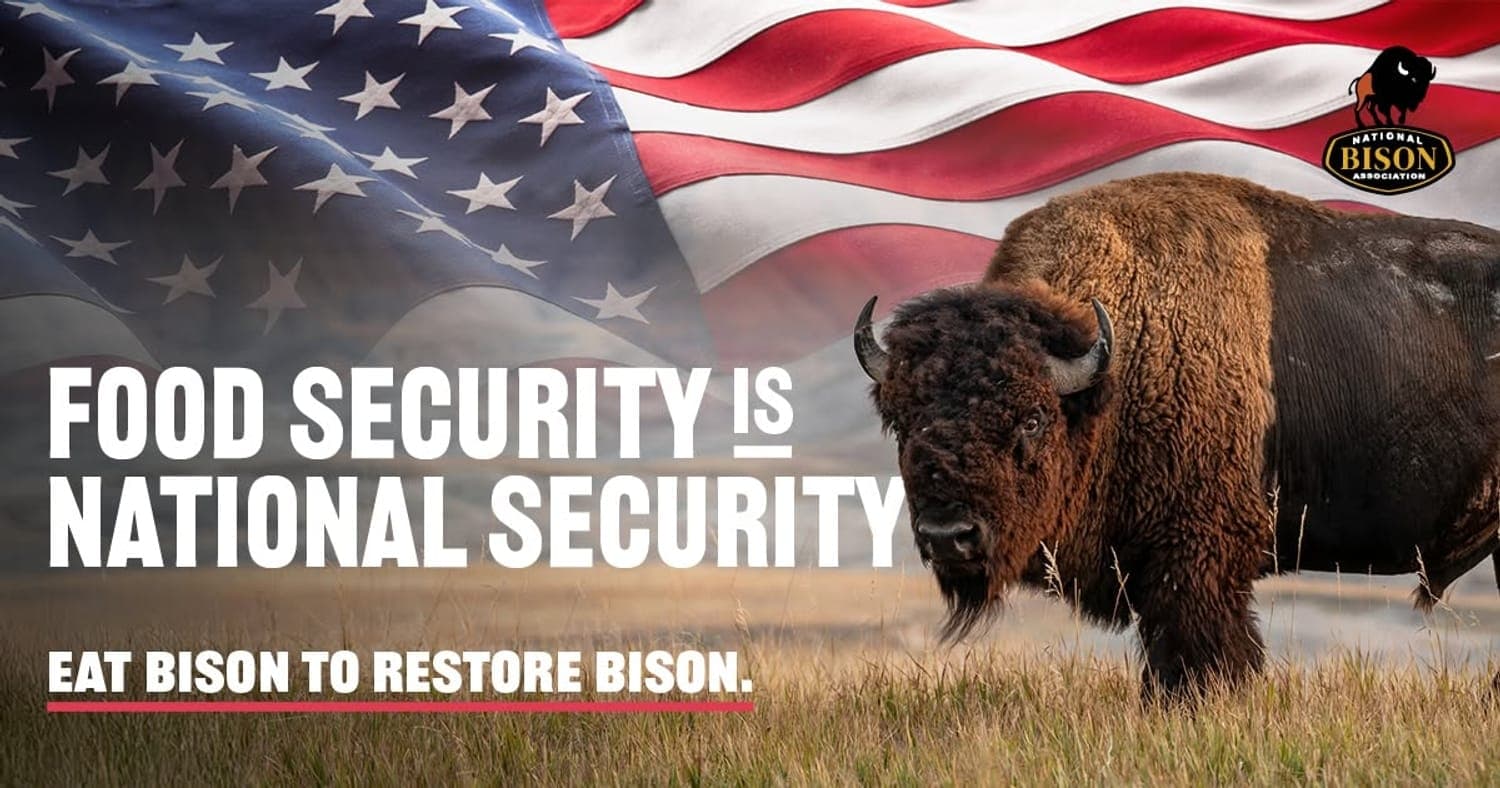
Nearly a decade later, the American Bison Association was formed in 1975. It was established by a group of younger, ambitious producers—many based in Colorado and surrounding states—who wanted an organization that more closely reflected their vision for the industry’s future. The ABA grew quickly and made lasting contributions, including launching the Gold Trophy Show and Sale in 1980 during Denver’s National Western Stock Show (we told you this story earlier this month). This event became a cornerstone of the industry for showcasing genetics and facilitating sales. The ABA eventually established a permanent office in Denver’s Livestock Exchange Building.
For years the two associations operated in parallel. Many ranchers held memberships in both, attended multiple meetings annually, and benefited from the networks each provided. As the industry expanded through the 1980s and early 1990s, however, the inefficiencies of dual organizations became more apparent. Producers increasingly saw value in consolidating resources, speaking with one voice on policy matters, and presenting a unified front to consumers, regulators, and the broader agricultural community.
The 1995 Merger
In 1995, the American Bison Association and the National Buffalo Association formally merged to create the National Bison Association. The new organization retained offices in the Denver area and built on the foundations laid by both predecessors. The merger brought together decades of collective experience, membership lists, educational programs, and industry events under a single not-for-profit trade association structure.
South Dakota rancher L. Roy Houck played a central role in its creation. After purchasing his first bison in 1959 and expanding into one of the largest privately owned herds in the country on his Triple U Enterprises / Standing Butte Ranch near Fort Pierre, Houck recognized the need for collective action. He convinced roughly 50 other bison breeders to form the association so they would not have to compete against one another in the marketplace and could better protect their shared interests. Houck served as a co-founder, president, and director in the organization’s early years. His leadership helped establish the group as a key advocate during the industry’s formative commercial period. He was later inducted into the National Buffalo Hall of Fame in 1980.
The NBA was established as a community of producers, processors, marketers, and bison enthusiasts. From the outset it emphasized the heritage of the American bison while focusing on practical industry needs: education, marketing support, research coordination, and advocacy for sustainable production practices.
So, the original National Buffalo Association was a 501c3 structure, and that was retained and is now known as the National Buffalo Foundation. Which is the group that funded both Native and the Bison Center of Excellence at SDSU. Excellent group that has done more for bison research and herd health than any other organization. If you have gotten any package from us lately, we have been putting an insert card in about the Foundation and ways to help. You can also donate here.
Mission and Lasting Impact
Today the National Bison Association’s stated mission is “to bring together stakeholders to celebrate the heritage of American bison, to educate, and to create a sustainable future for our industry.” Members abide by a Code of Ethics that promotes the humane and sustainable raising of bison. The association has grown to include more than 1,200 members across all 50 U.S. states and approximately 10 foreign countries.
The 1995 merger proved foundational. By eliminating duplication and combining strengths, the NBA helped professionalize the bison sector. It continued and expanded key programs such as the Gold Trophy Show and Sale, supported the development of state and regional associations, advanced consumer education about bison meat and products, and engaged in legislative and regulatory work. The organization has also collaborated with tribal nations, conservation groups, researchers, and government agencies on broader bison restoration and stewardship efforts. The formation of the National Bison Association marked the transition from a fragmented early commercial era to a more coordinated national industry. What began as two separate groups of dedicated ranchers and enthusiasts in the 1960s and 1970s became, through the 1995 merger, a unified organization that continues to champion the American bison—both as a cultural icon and as a viable, regenerative livestock enterprise.
This post was published
Happy Bison Month!!
And we are only one away from this seemingly endless barrage of emails being over... haven't quite decided who we are gonna end this with, but it should be fun. We actually lost about 250 subscribers this month, wore them out with these stories I guess... but we picked up almost 350, so, taking that as a win. Still have a whole bunch of friends on this list, and as always we are grateful when you take time out of your day to read our stuff.
Not gonna lie, today's is kinda tough for me, Stan Harper was a great guy and a good friend, and an amazing rancher and bison supporter. I miss the guy a lot.. he always used to offer to fly us to the National Conference in his jet... wish we had done it even once. The daughters are running the operation now, and they are wondeful people as well, but Stan is missed by so many.
Do have three things to share first though.
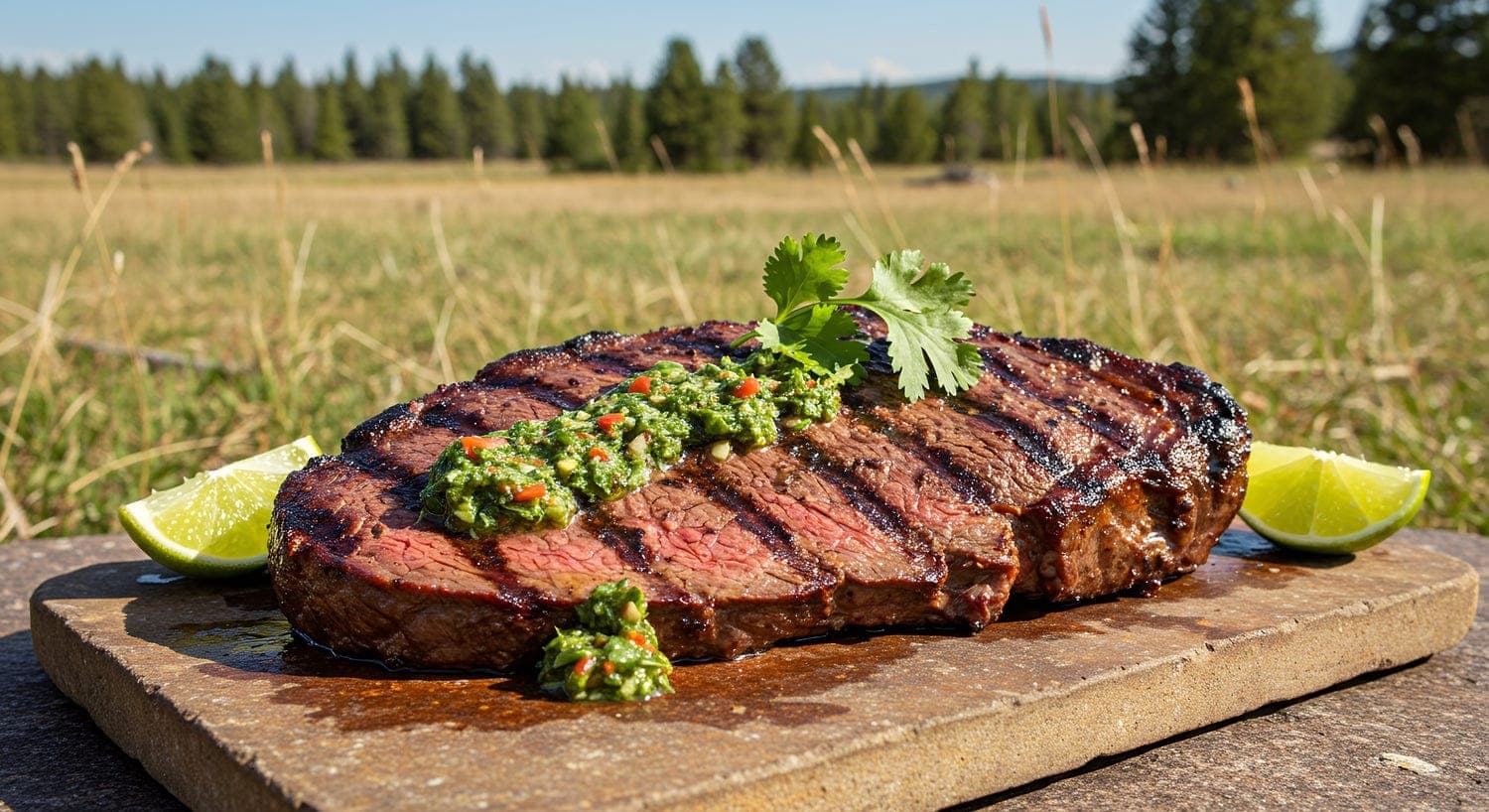
#1 Northstar Bison is running a secret bison ribeye sale starting tomorrow, but I thought I would let y'all get a head start on it. (not live till tomorrow)
From Sean Graese... "We're actually running a 26% off ribeye sale on our website tomorrow through sunday night to celebrate National Bison Month. That'll be the best way for folks at home to take advantage! Code will be "BISON26" Might want to set a reminder for tomorrow... this is a deal on some stellar meat. You will love it, just don't overcook it.
if you read the piece on NorthStar Bison, you know they are one of the top producers in the country and this is all field harvest, makes for such better quality meat. This is a steal.. don't miss out. www.northstarbison.com
# 2 Our youngest Meghan, has decided that she needs some reviews on her travel guides, so if you buy one this weekend and leave her a review, she will send you a code for a second guide absolutely free... Link to her Etsy Shop just trying to help her make this travel guide writing dream a reality for her.
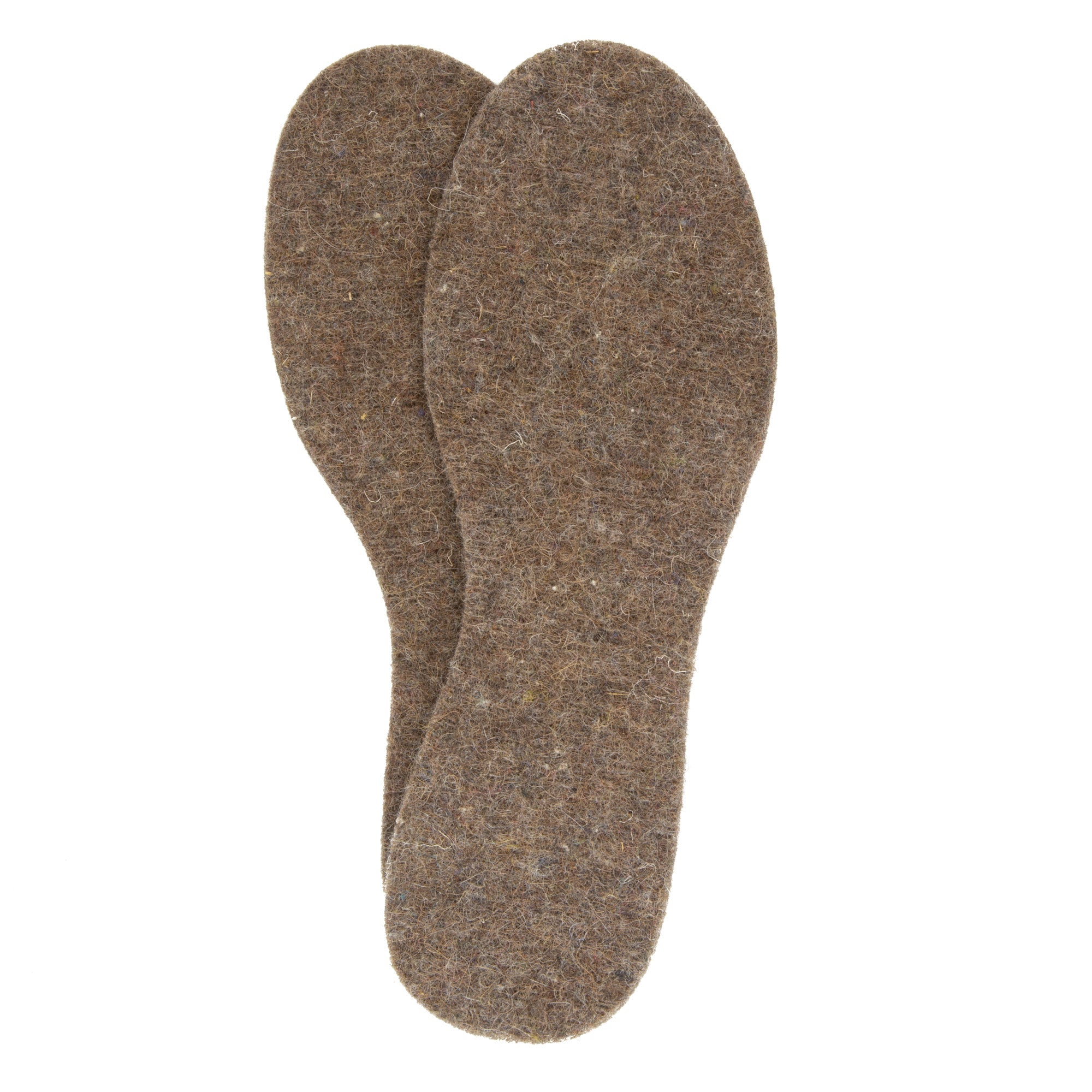
#3 Insoles have been restocked, have been out of the 12" 8mm ones since November, but we got them back in house now.
Hope you had a truly great day!
Ron & T, and the crew here at the BWC
From a friend, and yes, I laughed...
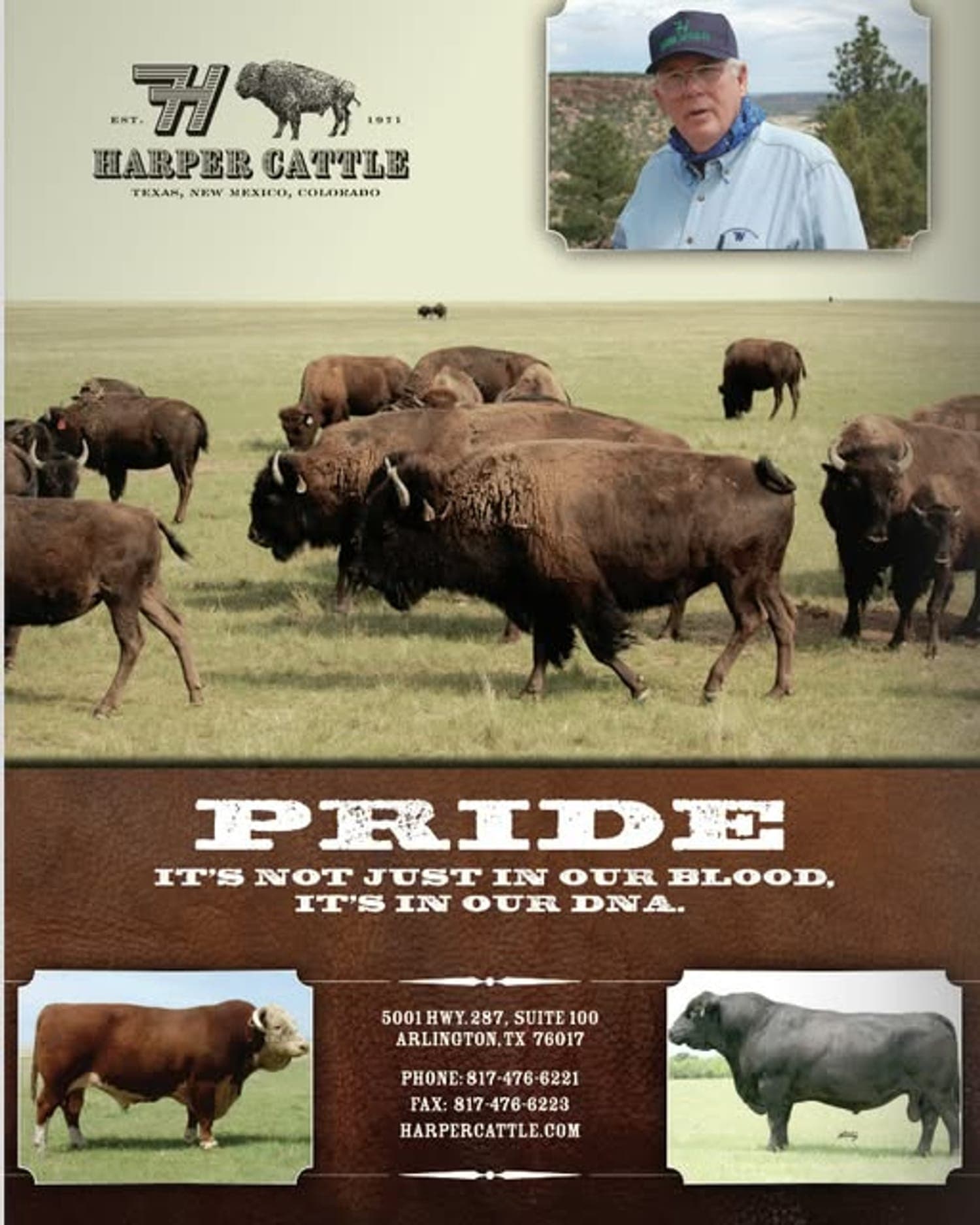
Stan Harper (Stanley Keith Harper, 1938–2024)
Texas-based rancher, entrepreneur, and longtime supporter of the American bison industry through private ranching operations and organizational involvement. Born September 13, 1938, in Clovis, New Mexico, to Ruby and Claude Keith Harper, he was the middle of five children. After graduating from Clovis High School, he served in the U.S. Air Force as an Air Traffic Control Specialist. He later founded L&M Service Group, Inc., a tax services company in Arlington, Texas, in 1987. Alongside his business career, Harper developed a strong passion for ranching. He owned and operated properties in Texas, New Mexico, and Colorado under Harper Cattle, LLC, raising cattle, bison, and elk to high standards.
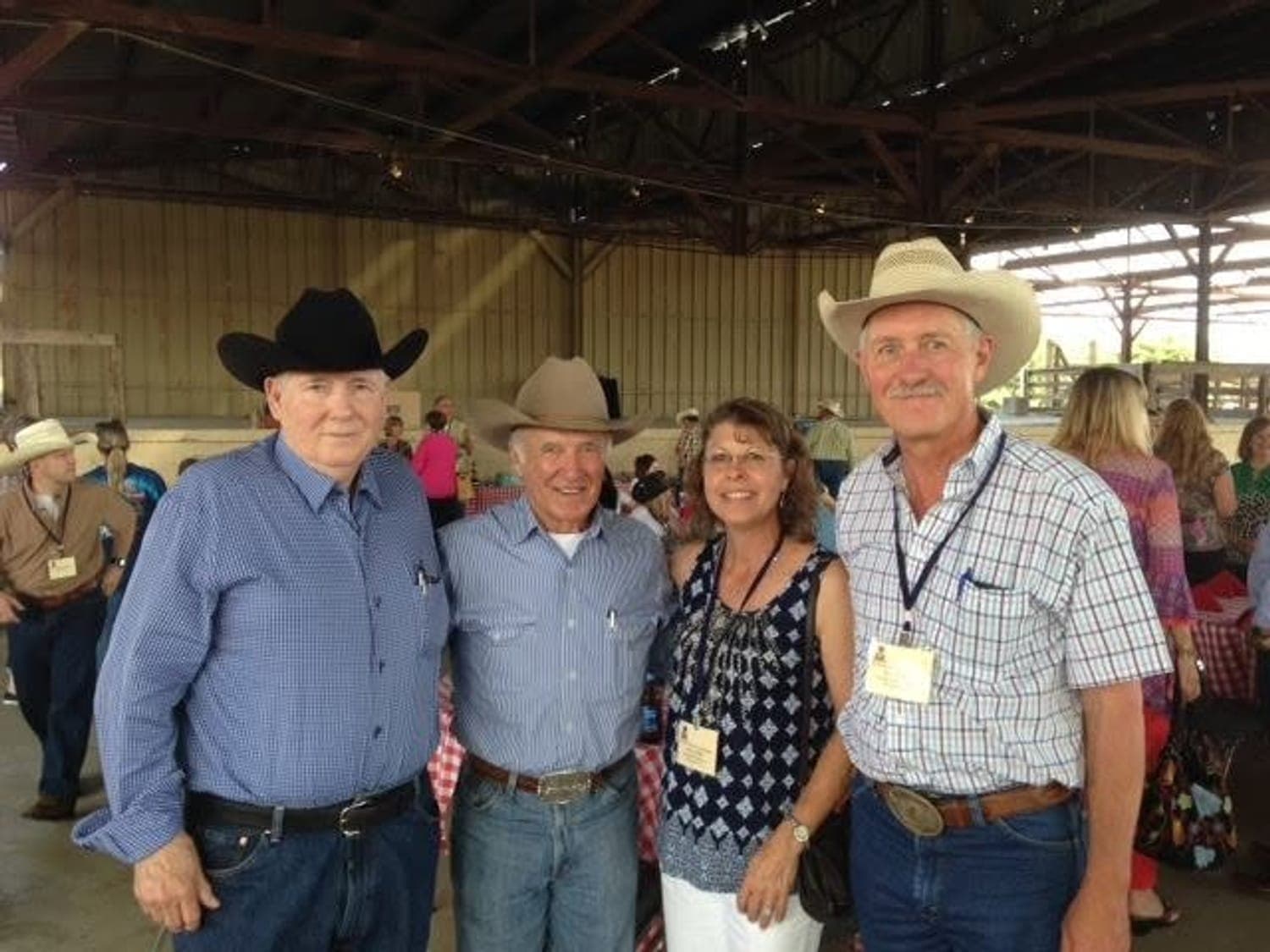
Stan Harper, Larry Mahan, Amy and Roy Leidtke Whole lot of awesome in one picture.
Harper Cattle, LLC, known for quality livestock, and Stanley Harper took every opportunity to support ranchers and the greater bison community as a whole. Every chance he had to donate, fund or give back in some way.. he never missed an event. The operation emphasized ranching across multiple states, with bison as a key part of the mix alongside cattle and elk.
Support for Bison Organizations and Industry.
Harper was described as a big supporter of the National Bison Association and the Texas Bison Organization (Texas Bison Association, or TBA). Harper Cattle served as a Gold Sponsor for TBA events and conferences (including spring and fall meetings around 2021–2022 and later years). The company participated in fund-raising auctions by purchasing donated items, helping the TBA meet goals for education and support of healthy bison herds in Texas. The TBA ) focuses on promoting and preserving Texas bison through leadership, education, public awareness, conservation, production assistance for members, and advocacy for the ranching and meat industry. Its mission centers on “Preserving the Legend” of the American bison via conservation, education, and industry support. The NBA brings together stakeholders to celebrate bison heritage, educate, and build a sustainable future for the industry.
These organizations advance practical knowledge for producers on management, health, grazing, genetics, and marketing. The related National Buffalo Foundation, a 501c3 partnered with the NBA and involved with the Center of Excellence for Bison Studies at South Dakota State University serves as a major funding source for bison research and education. It supports projects on herd health, e.g., diseases like Mycoplasma bovis, nutrition/minerals/vitamins, rumen microbiology/fiber utilization, genetics/diversity, management practices, such as winter feeding or regenerative grazing, and related topics. Funding often comes through competitive grants and industry contributions that enable university and applied research.
Stan was always first and formost when it came to supporting these organizations. Harper’s sponsorships and membership support contributed to the associations’ capacity for conferences, education, advocacy, and the broader ecosystem that funds and disseminates research. He was also an Advisory Director on the Former Texas Rangers Foundation board and supported other causes (including children’s charities, schools, 4-H, Make-A-Wish, and rural/farming community efforts in Texas and New Mexico), reflecting a pattern of generosity. Just a great guy overall...
Context in Bison Conservation and Ranching
Ranchers like Stan Harper have long played roles in maintaining bison populations after the near-extinction bottleneck of the late 19th century. Commercial and private herds form the majority of the roughly 400,000–500,000 bison in North America today (with a smaller share in dedicated conservation herds). Industry groups help address challenges such as genetic management including residual cattle introgression from early experiments, disease, nutrition, and sustainable production while promoting bison as a heritage species and lean meat source.Harper passed away on February 20, 2024, in Mansfield, Texas, at age 85, surrounded by family. He was survived by his wife of nearly 46 years, Linda Harper, and children and grandchildren. His ranching legacy and support for bison-focused organizations helped sustain producer networks, education, and the research infrastructure that benefits the species and industry.
His family is continuing the mission, and doing great things as well, I just felt like it would be wrong to not include the man in this month of great ranchers.
don't forget the NorthStar Bison Steak deal tomorrow... they are gonna go fast.
This post was published
Happy Bison Month!!
Just a quickie today... honestly, I am pretty much out of witty and funny stuff, turns out 31 newsletters in a month are more than anyone of my caliber should do, but I like challenging myself to do silly stuff. I am probably more surprised than you that it got done... well, almost, just two more. Have some good ones coming up too. Thank you for sticking with us on this.
Dad has made it to Alaska, but before he left, he wrote todays piece, and is probably standing in a cool river throwing flies at fish. Me I am trying to get the really hot tractor out of the front yard where I got it stuck Monday... fun times, and we will see if we have a new permanent yarn ornament or what.
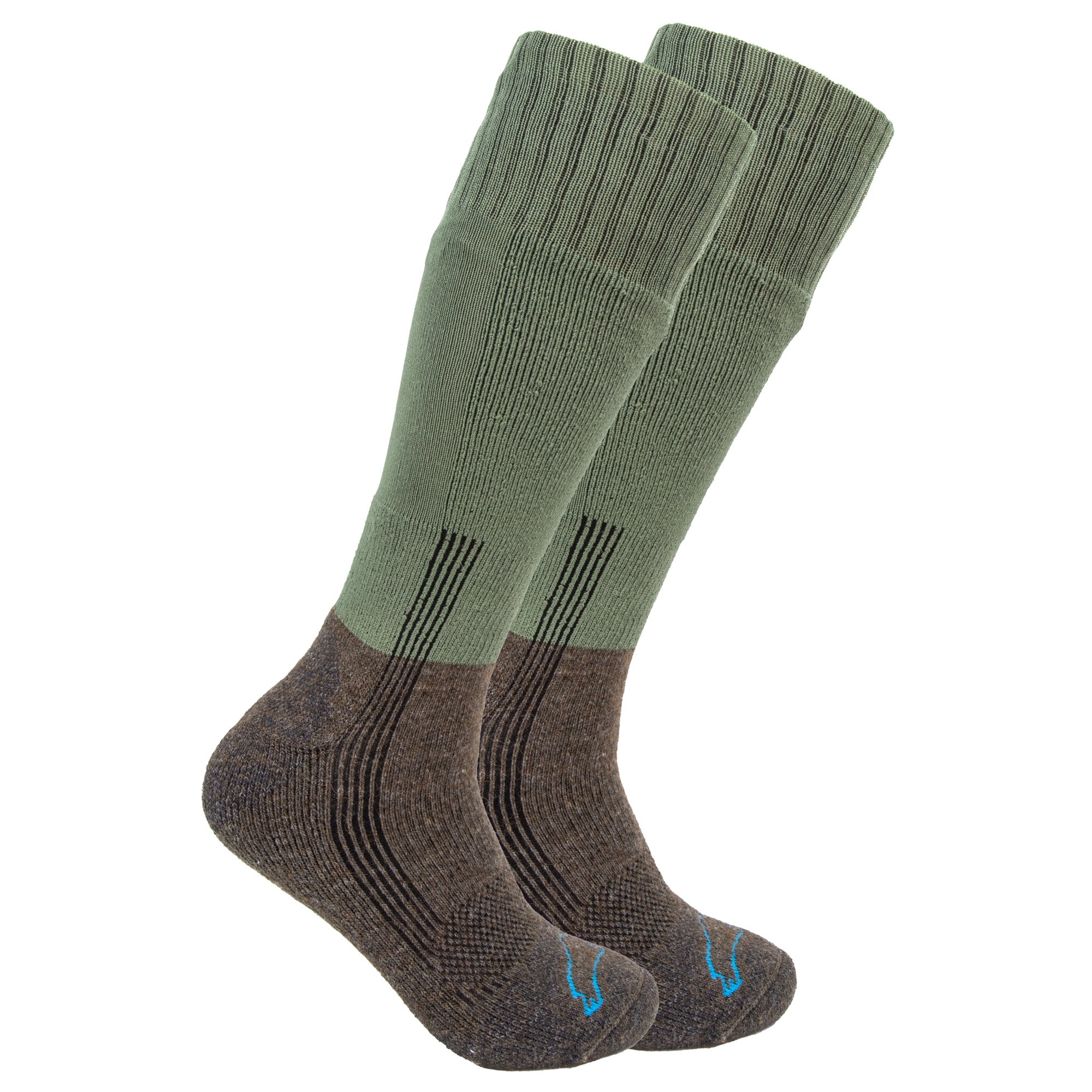
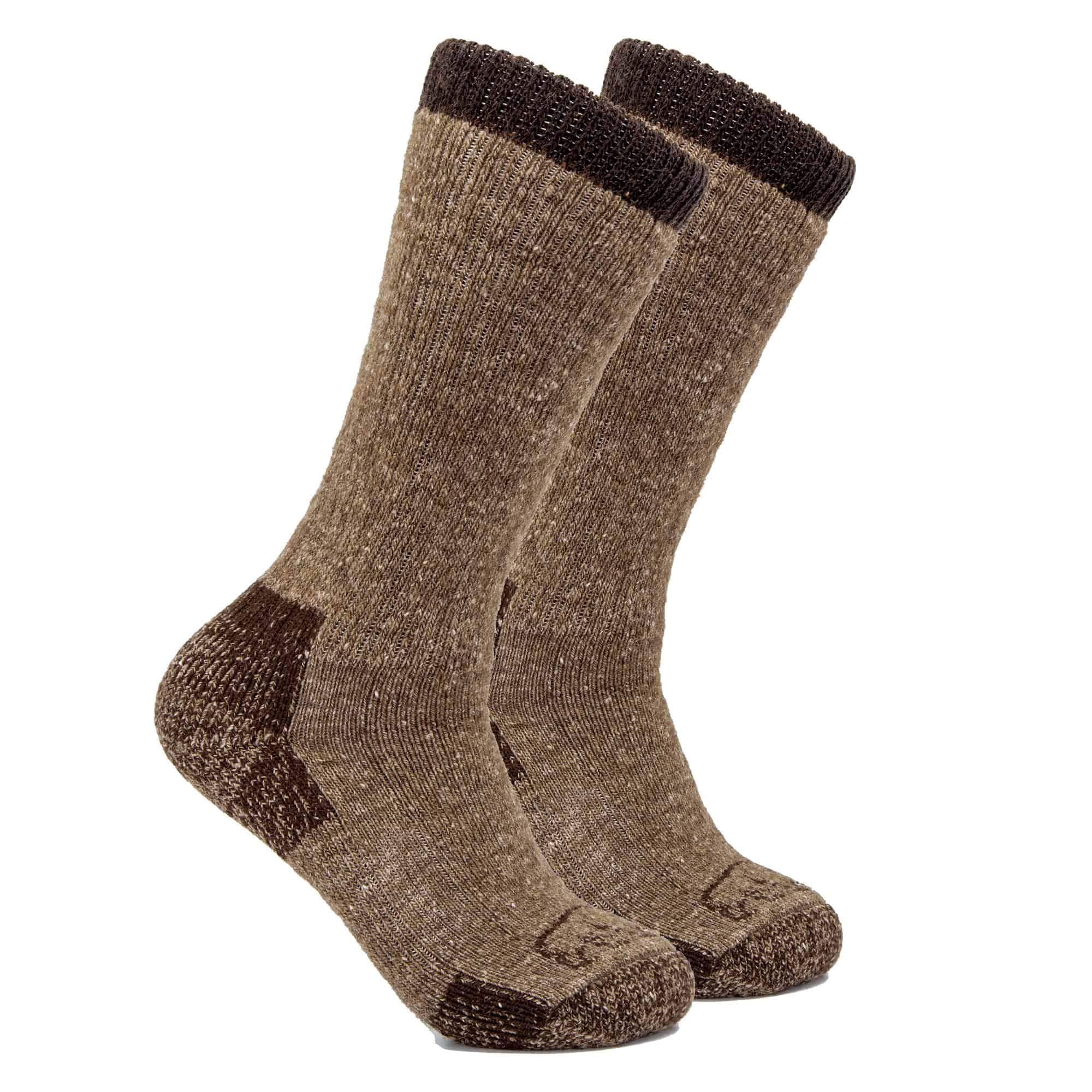
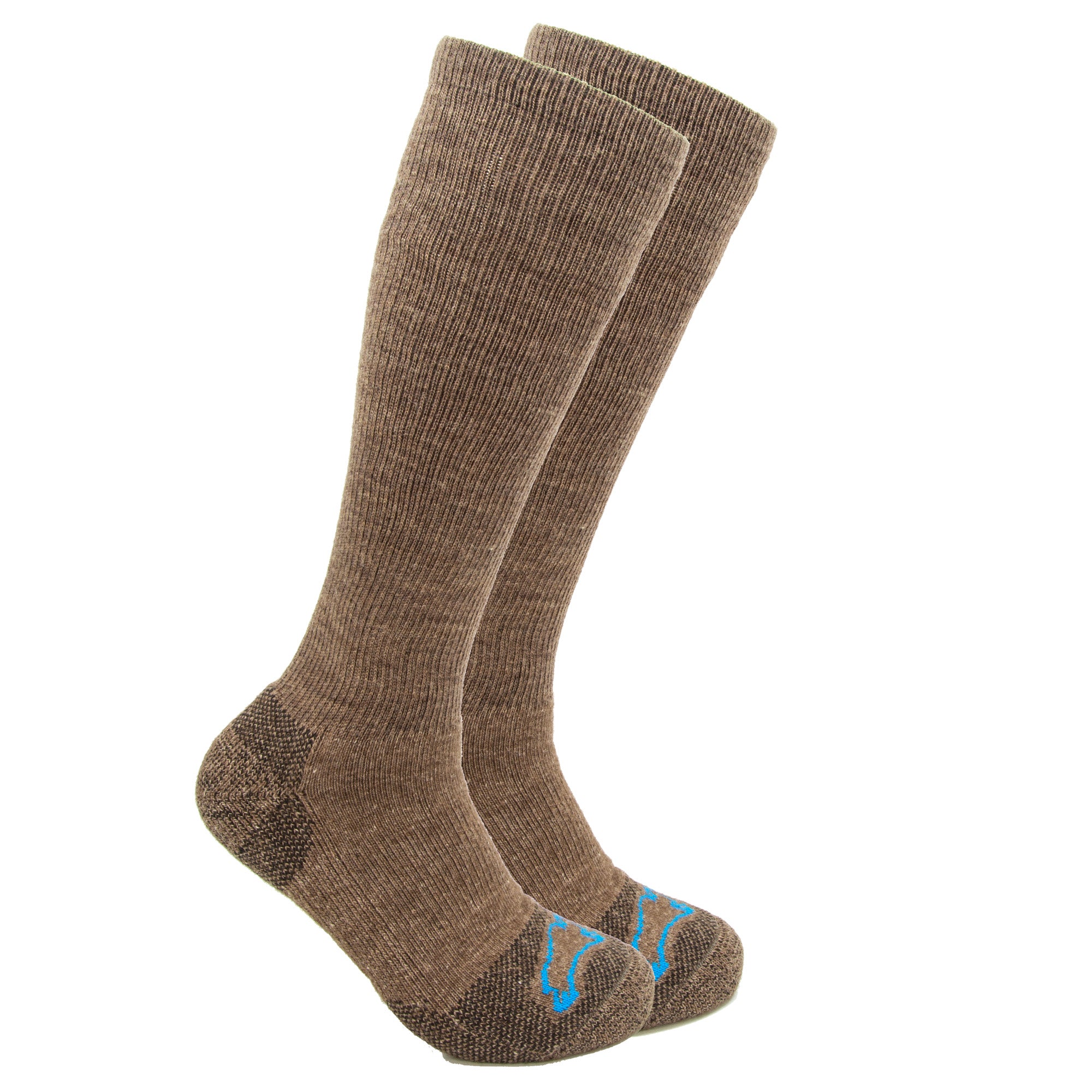
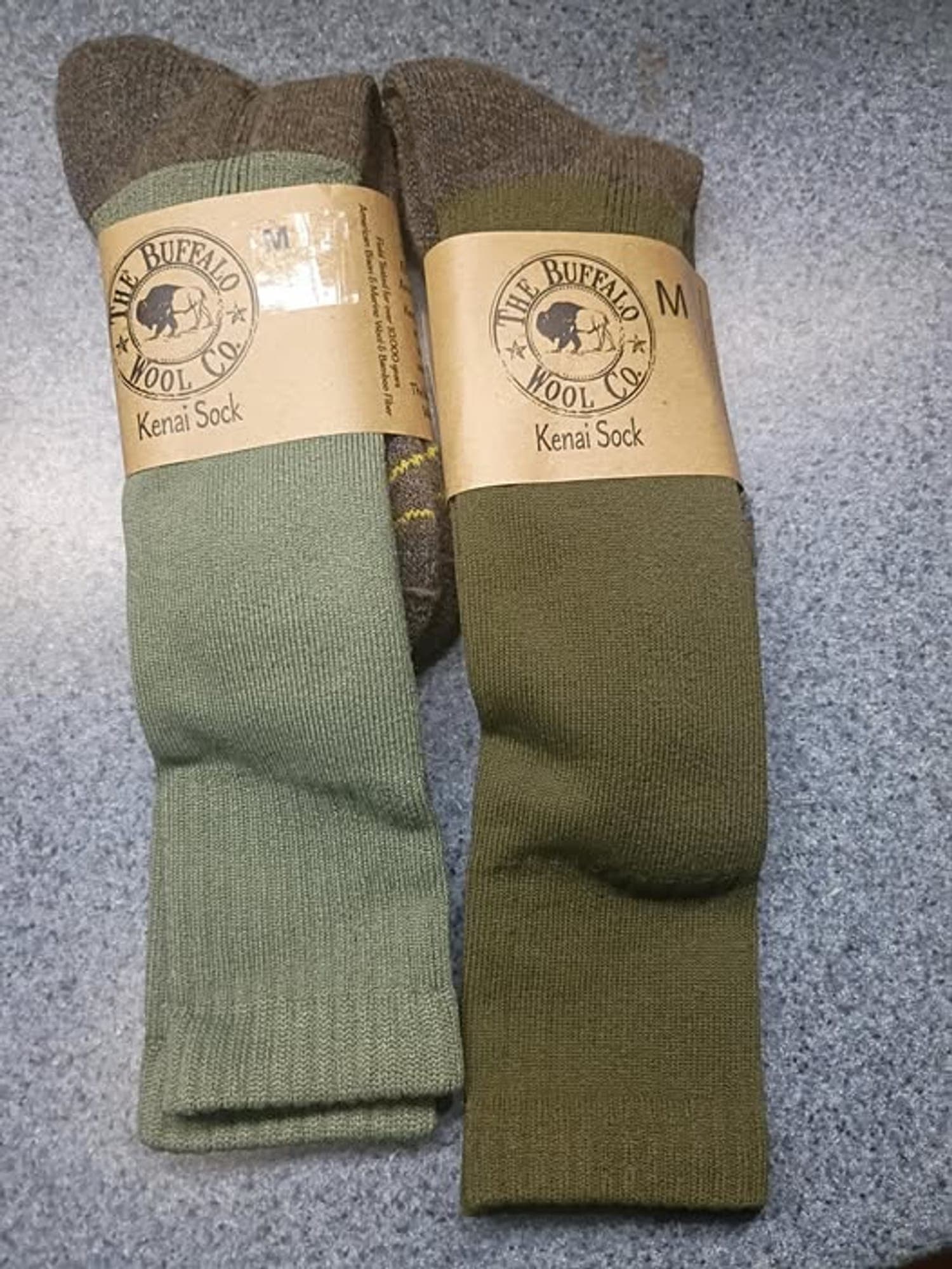
Do have a couple of production notes on products, the new Pro-gear boot socks are in, and feel much better than the last run, they are also slightly taller than all the ones we have made in the past... about 2" overall. The new run of Kenai are also a bit taller maybe 1"... but the new color is more like what we had intended, an olive drab vs the muted green. We still have a few of the lighter green ones mostly large, and have only gotten the new color in XL and Med so far..
Y'all have done an amazing job of helping us get stuff moved out for July (which is where most of our production bills come due), and I know we have hit you very hard this month. Truly appreciate all you guys do to help us on this crazy mission.
Hope you had a wonderful day
Ron & T, and the crew here at the BWC
Buffalo Treaty:
Leroy Little Bear: Retired Professor Emeritus at the University of Lethbridge, founding director of the Native American Program at Harvard University, founding member of Canada’s first Native American Studies Department. He is also the founder and President of the International Buffalo Relations Institute.
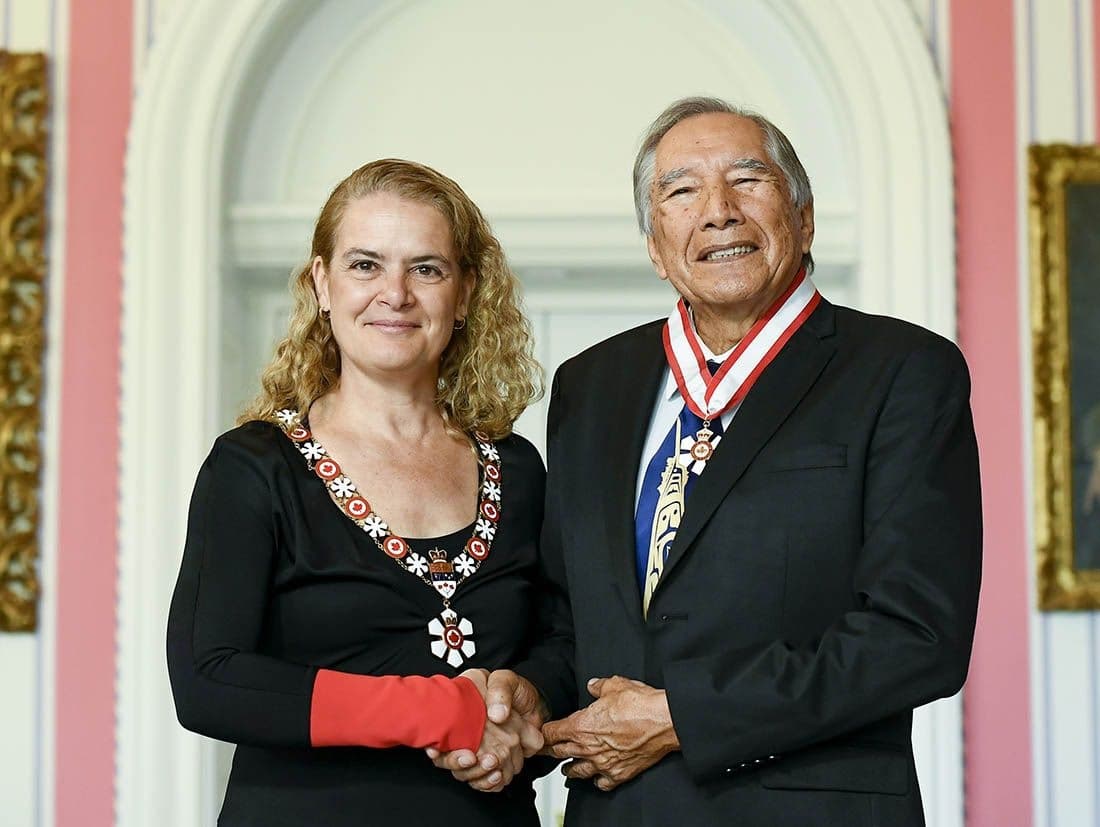
He was one of the first First Nations people to graduate from the University of Lethbridge with a BA in 1971 as well as completing a Juris Doctor Degree at the University of Utah College of Law in 1975. While he has received close to an uncountable number of awards and recognition, what we find one of his most important was his role in “co-instigated and authored” the Buffalo Treaty.
Not familiar with, or know about the Buffalo Treaty? Well, it’s about time you do. The Buffalo Treaty: Comprised of 9 very simply worded Articles, the Buffalo Treaty was originally signed in, 2014 by 9 tribal entities both in Canada and the US. From their website: SEPTEMBER 24, 2014 The Buffalo Treaty is born
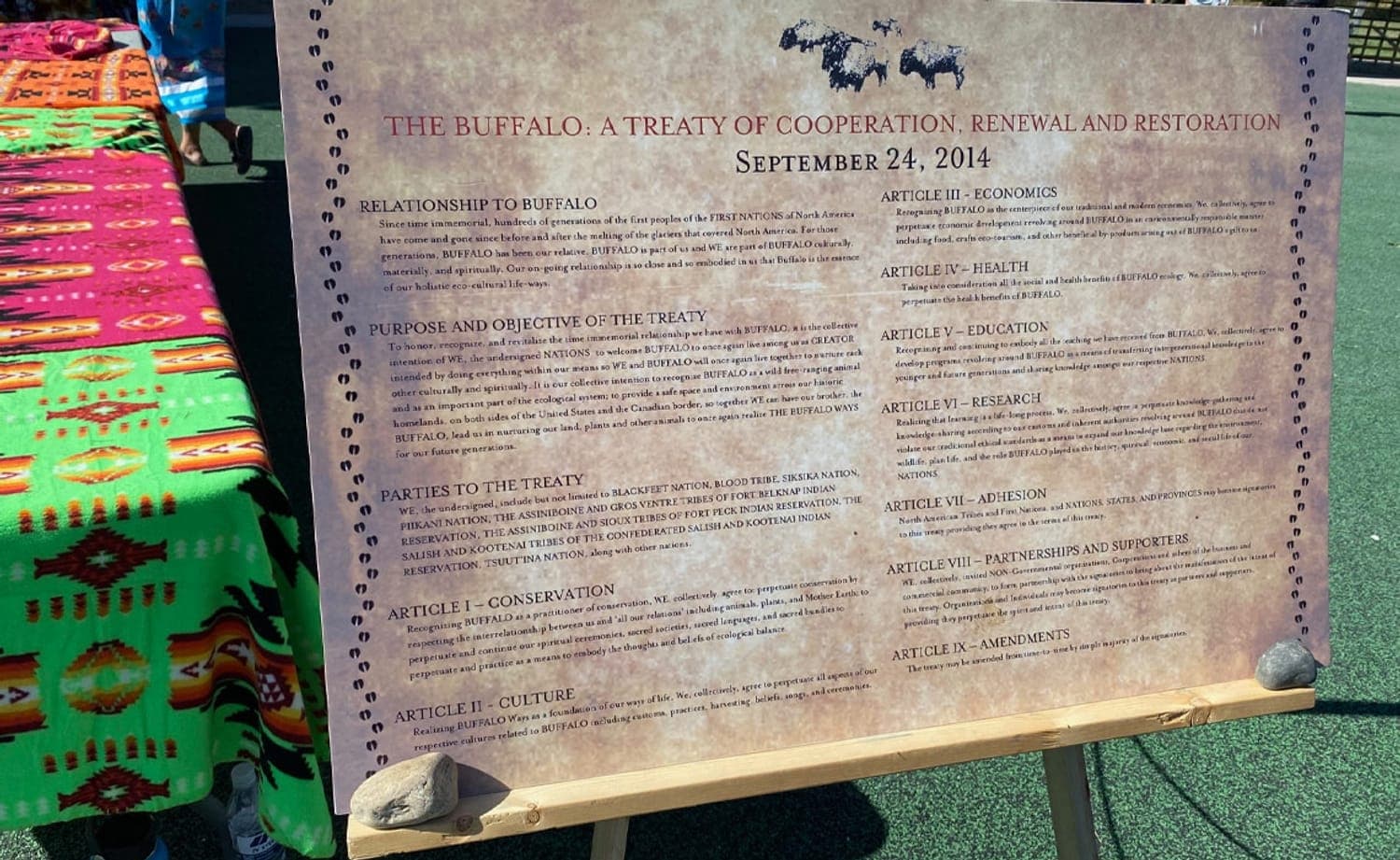
On September 24, 2014, eight Nations came together at the Blackfeet Reservation in Montana to sign the Buffalo Treaty — the first cross-border Indigenous-led treaty in more than 150 years. This landmark moment created a shared vision to bring buffalo back to the land, the people, and Indigenous lifeways.
Inaugural Signatory Nations were: Blackfeet Nation, Kainai/Blood Tribe, Siksika Nation, Piikani Nation, Assiniboine & Gros Ventre Tribes (Fort Belknap), Assiniboine & Sioux Tribes (Fort Peck), Confederated Salish and Kootenai Tribes and Tsuut’ina Nation.
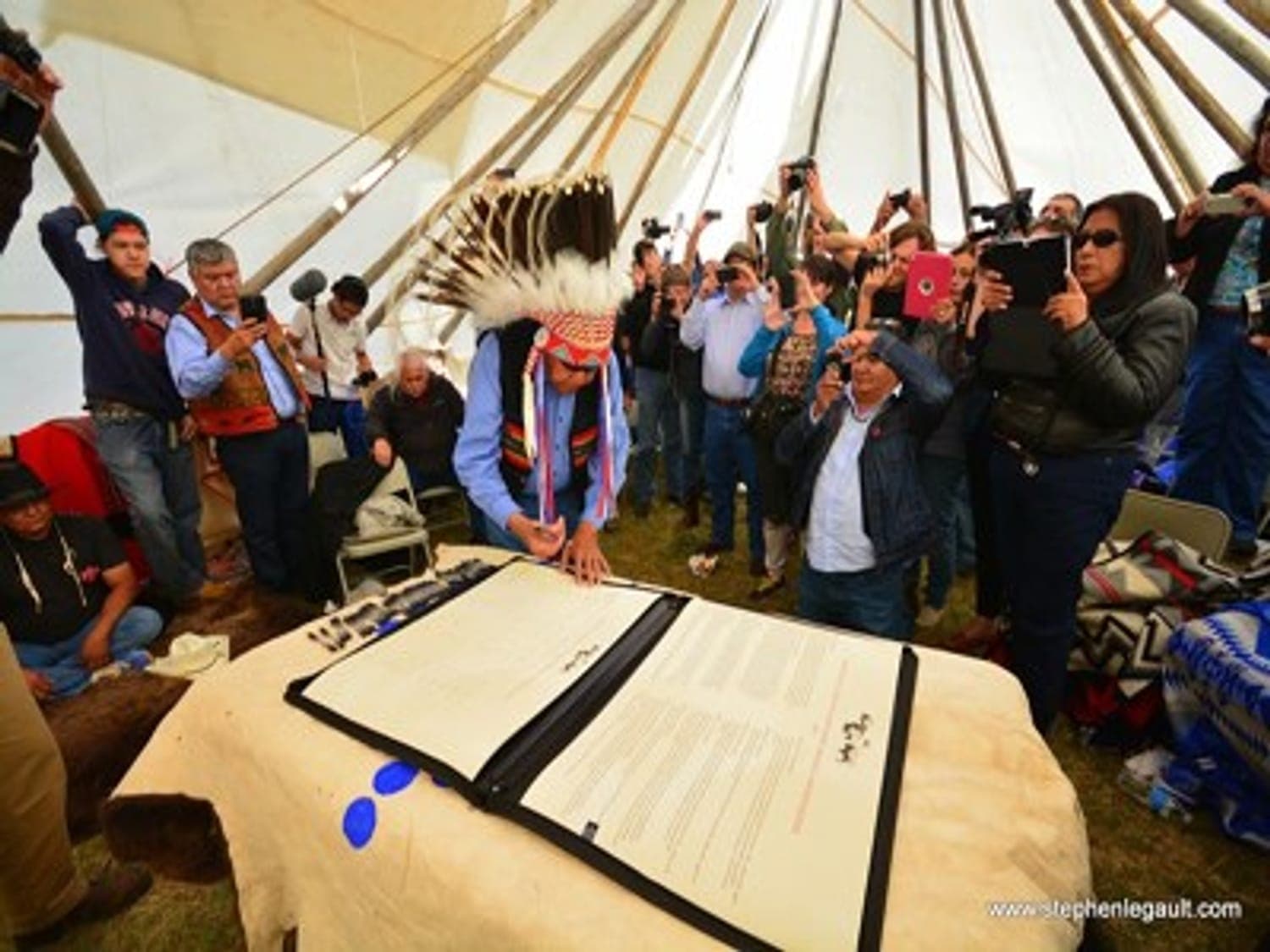
Since then, more than 40 total signatories have pledged support and agreed to follow the core tenant and strengthen the Eight Articles that “are” the Buffalo Treaty.
Those 8 Articles are:
Article I – Conservation
Article II – Culture
Article III – Economics
Article IV – Health
Article V – Education
Article VI – Research
Article VII – Adhesion
Article VII – Partnerships and Supporters
(Article XI – Amendments)
The Treaty itself is so simplistic and well drafted; no lawyerese or political double speak; that is the mark of Dr. Little Bear.
The Treaty actually begins: “Relationship to the Buffalo”
Since time immemorial, hundreds of generations of the first peoples of the FIRST NATIONS of North America have come and gone since before and after the melting of the glaciers that covered North America. For those generations, BUFFALO has been our relative. BUFFALO is part of us and WE are part of BUFFALO culturally, materially, and spiritually. Our on-going relationship is so close and so embodied in us that Buffalo is the essence of our holistic eco-cultural life-ways.”
It continues: “Purpose and Objective of the Treaty”
To honor, recognize, and revitalize the time immemorial relationship we have with BUFFALO, it is the collective intention of WE, the undersigned NATIONS, to welcome BUFFALO to once again live among us as CREATOR intended by doing everything within our means so WE and BUFFALO will once again live together to nurture each other culturally and spiritually. It is our collective intention to recognize BUFFALO as a wild free-ranging animal and as an important part of the ecological system; to provide a safe space and environment across our historic homelands, on both sides of the United States and the Canadian border, so together WE can have our brother, the BUFFALO, lead us in nurturing our land, plants and other animals to once again realize THE BUFFALO WAYS for our future generations.”
The actual title of the document? THE BUFFALO: a Treaty of Cooperation, Renewal and Restoration.
In an October 8, 2019 National Parks Conservation Association press release, another of the true and dear friends of the bison community, Jason Baldez said of the Buffalo Treaty: “The herd has grown. The work now is to create more space and make more of our lands available for them to exist on, and to grow a population to a sustainable level where we can begin harvesting them again."
"We can begin utilizing them in ceremonies, have an education program to work with our youth, bring our elders together with our young people, and to reinvigorate our language to learn about how we use all the parts of the buffalo. That’s part of the cultural revitalization. We are just glad to be part of this effort and to be with these other tribes that are working on bison conservation.” – Jason Baldes, Eastern Shoshone Tribe, Wind River.
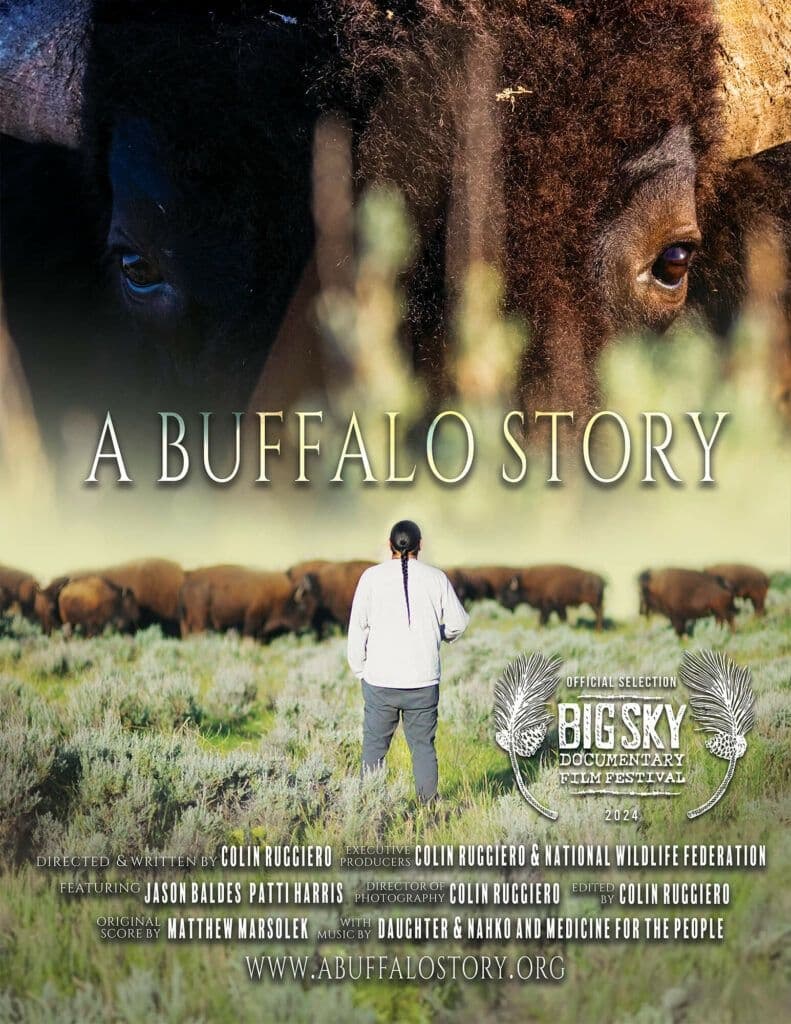
“A Buffalo Story” follows Jason Baldes, Eastern Shoshone Tribe Member and National Wildlife Federation’s Tribal Buffalo Program Director, as he works to reintroduce buffalo to the Shoshone and Arapaho Tribes of the Wind River Reservation. Check the film out here.
This film showcases the restoration of buffalo ecosystems, offering lessons on rebuilding relationships between humans, wildlife, and nature.
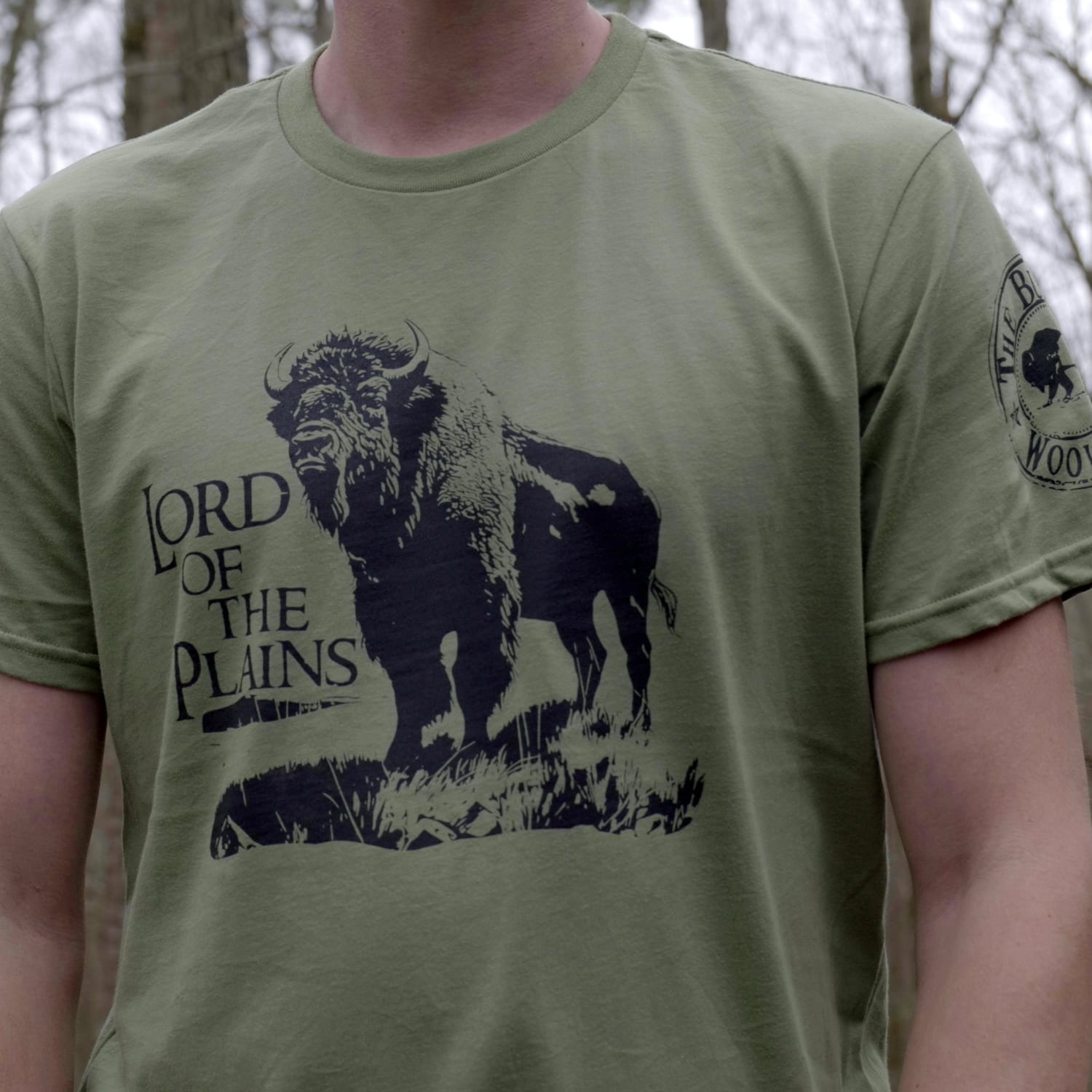
Ron's Note: Jason is a good friend, and really like hanging out with him when we can, he is also featured in "Native: Keystone", he knows a heck of a lot about bison, and ecology... he is also the guy who gave us the go-ahead on the "Lord of the Plains" shirts.. had to ask someone who knew how it would be received... ended up sending him the first one.
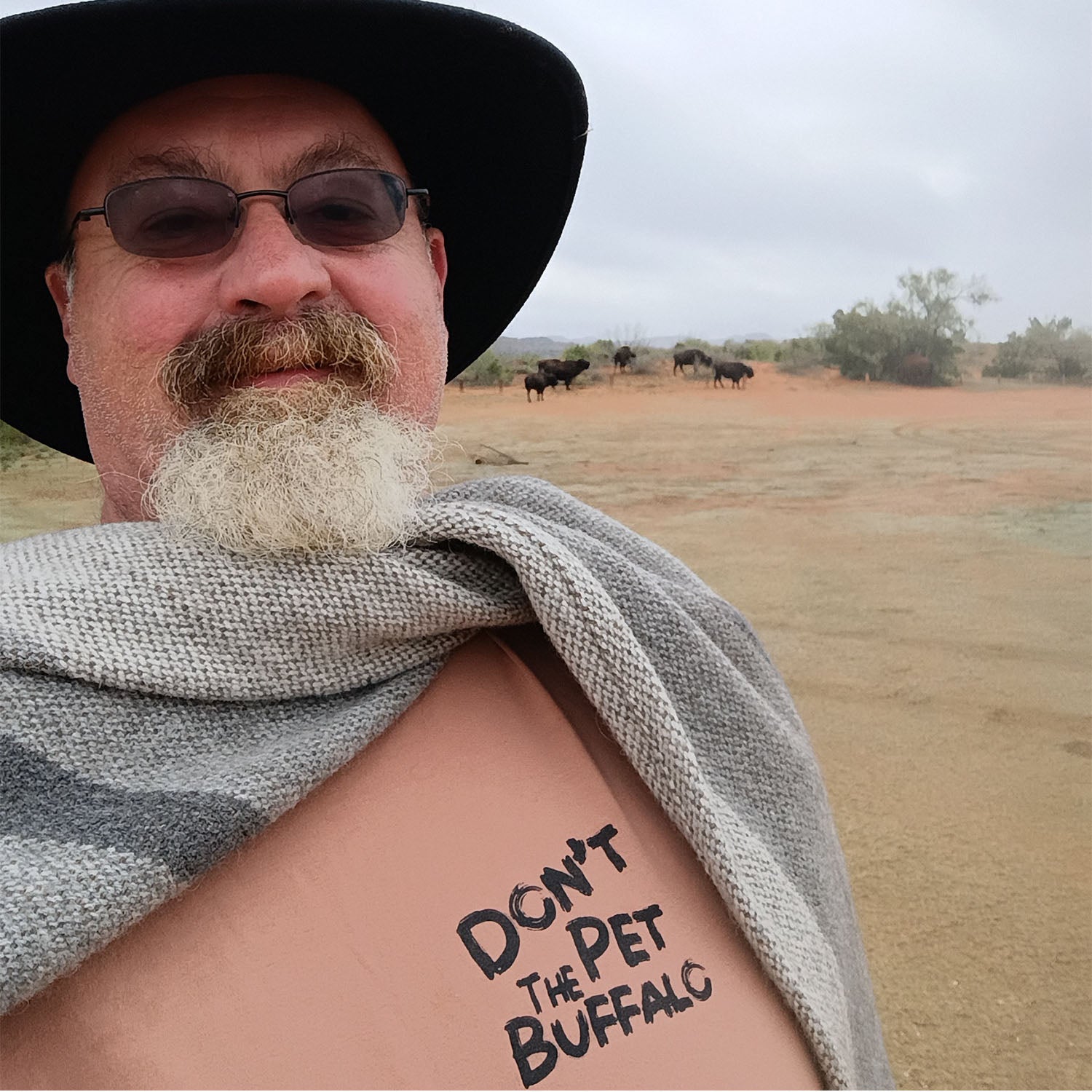
Best review yet!!!!
This post was published
Happy Bison Month, and we are almost finished!!
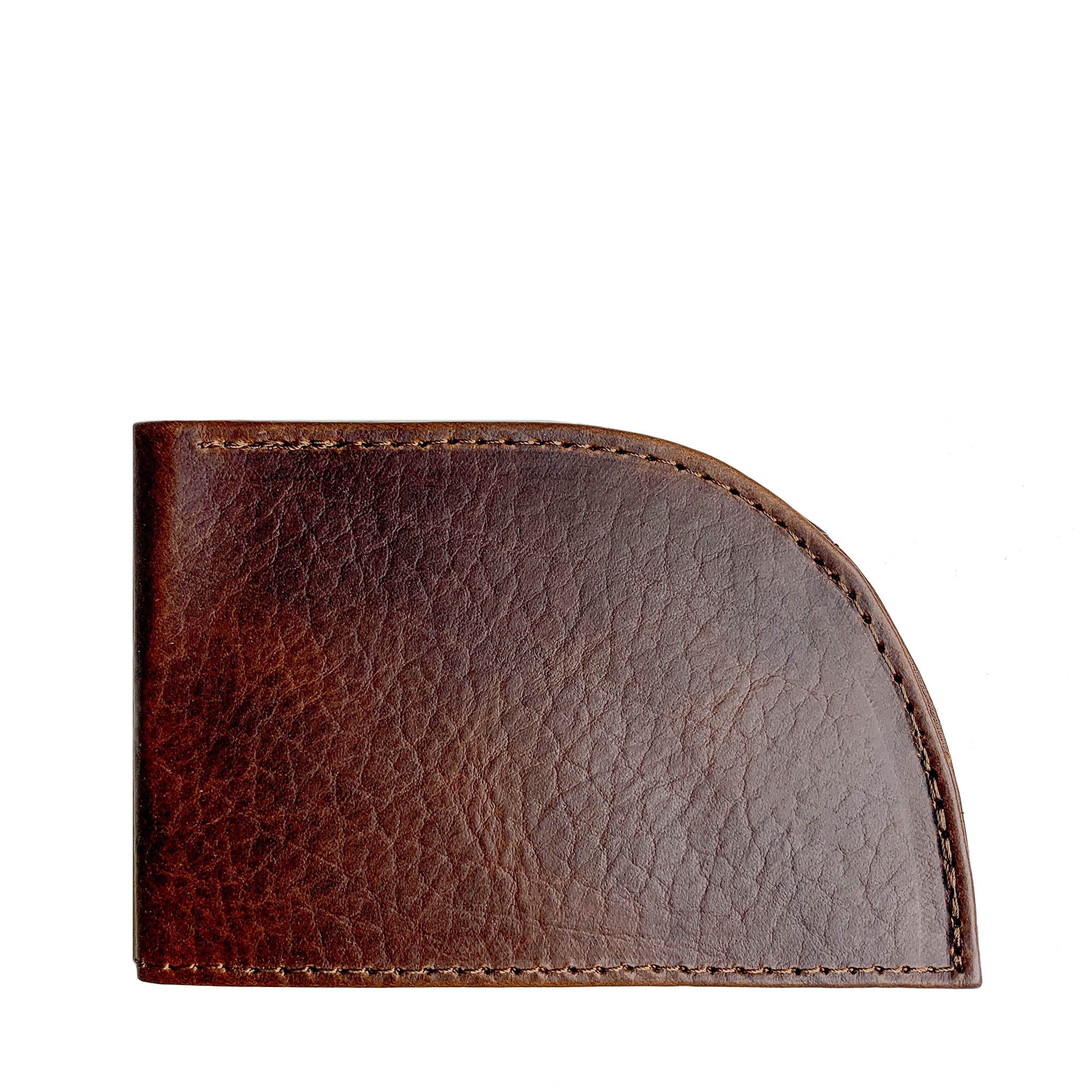
Was a good day, got the freight to Alaska Airlines to send up for the fair... and dropped a bunch of good bison leather off at the Cowtown Leathers to be turned into stuff for the holidays. Art is really good at making things.. will have bags, valet trays, wallets and more. Can't wait to see what he does
Was loaded up and on the road by 6am, which didn't leave me time to get anything out this morning, and by the time I got home around noonish, was too hot to do chores, so, gonna write about some of our favorite people here now. I really love both of them, Mimi is just an amazing person and does so much for advancing bison research, Moritz is just flipping fun, and smart, always like working with him and really enjoy hanging out with both of them whenever we have a chance. They have done and are still doing amazing things. This is also one of the largest producing ranches in the country... amazing and beautiful place.
Also, Daughter has finally started her newsletter, and I told her, I would share it here with our faithful readers... here is the link to the first one.
here is her new website as well. It's pretty good, not sure where she learned how to write. Truly appreciate it if you could check them out.
Hope you had a truly great day!
Ron & T, and the crew here at the BWC
From a friend, and yes, I laughed...
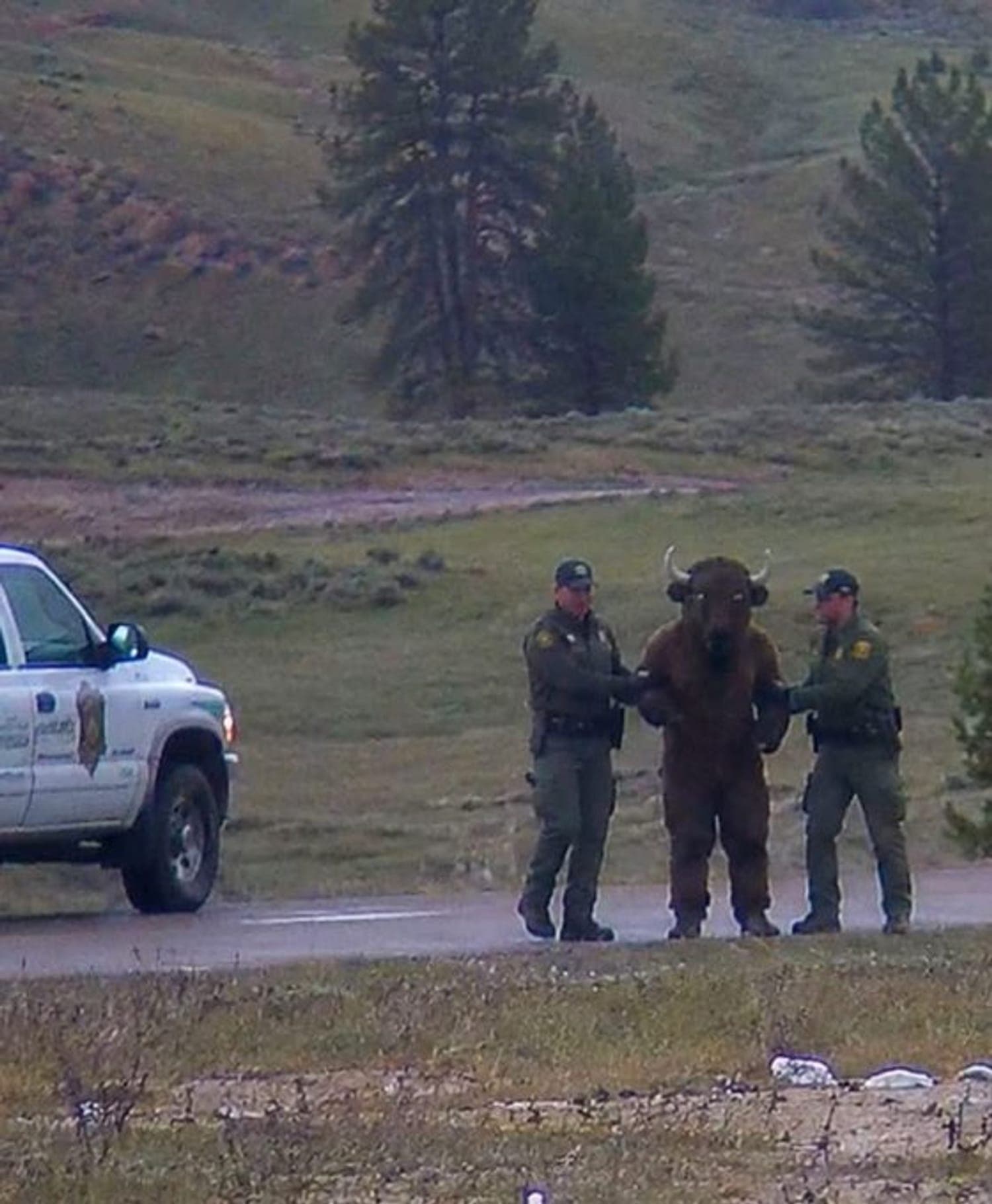
This is not me... or anyone I know. (at least I don't think it is) have only been tagged in in 46 times today.
From Prairie Dream to Bison Legacy: The Wild Ride of Mimi Hillenbrand, Moritz Espy, and the Legendary 777 Ranch
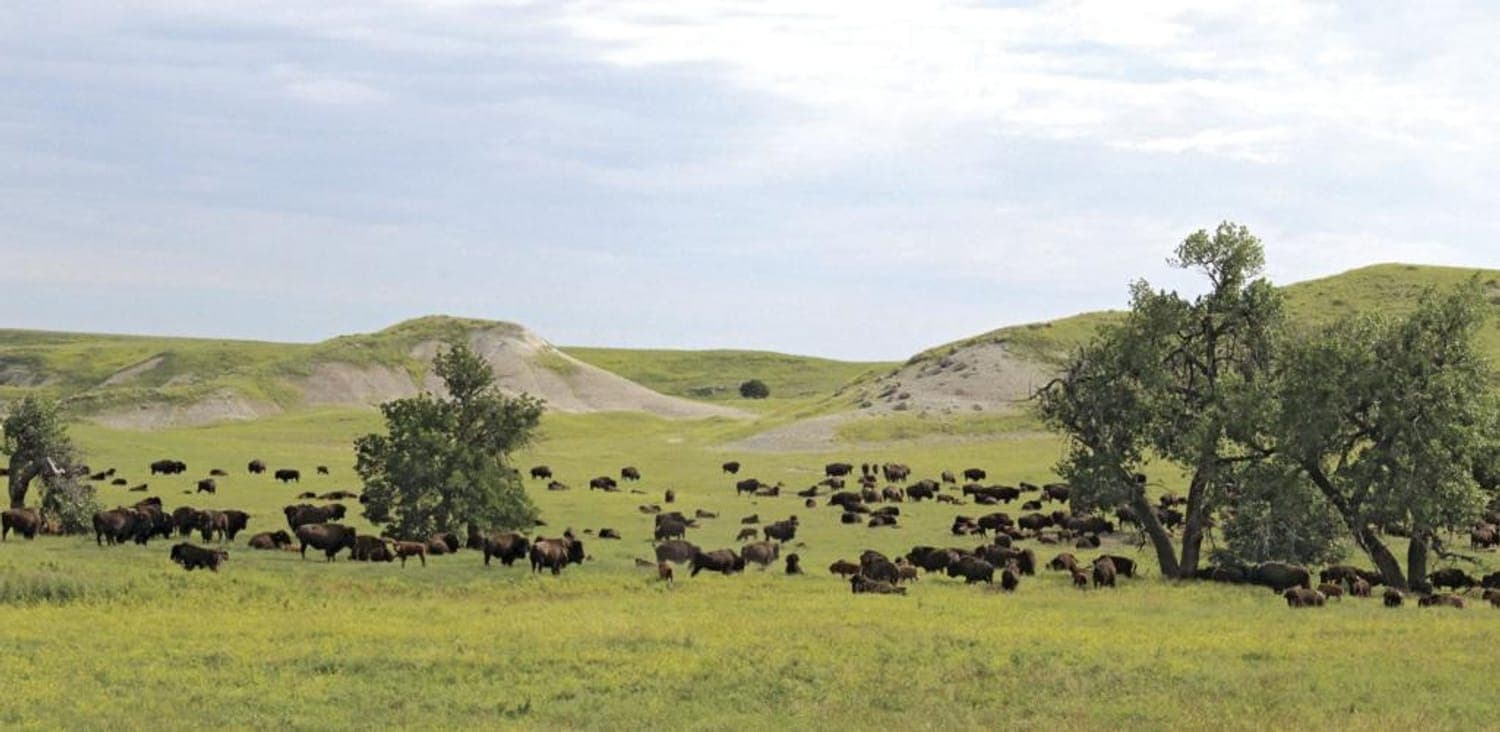
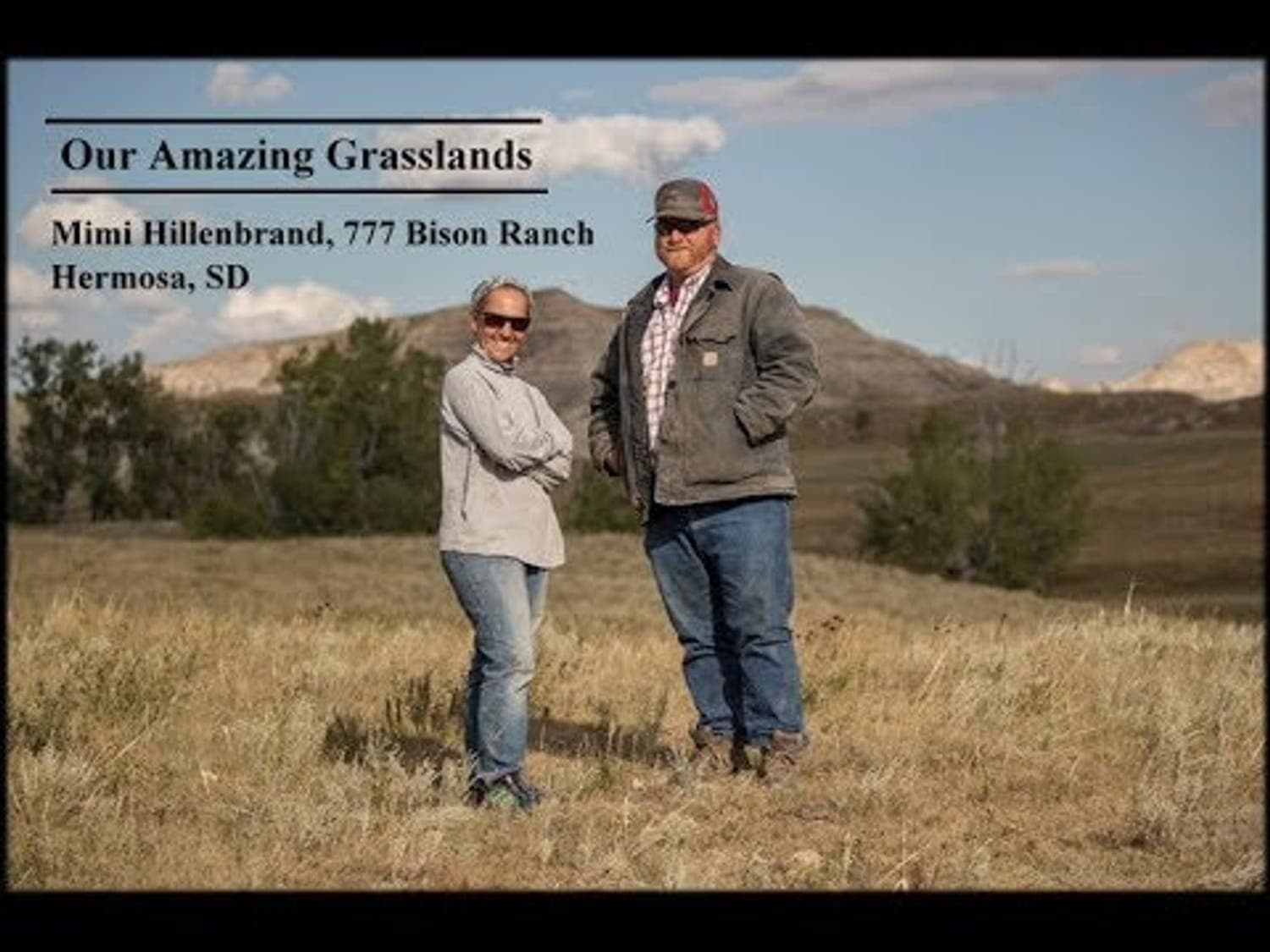
Picture this: rolling shortgrass prairie between the Badlands and the Black Hills of South Dakota, where thunderous herds of bison once migrated like living rivers. Enter the 777 Ranch (later known as the 777 Bison Ranch), bought by Rita and Ray Hillenbrand in 1972. What started as a cattle outfit transformed in the early 1980s when the family brought in their first 100 bison from places like Custer State Park. Fast-forward, and under the passionate leadership of daughter Mimi Hillenbrand—with ranch manager Moritz Espy as her indispensable partner—it became a gold-standard model for regenerative bison ranching, holistic management, and pure prairie grit.
Mimi grew up summers on the place, fell hard for the land and wildlife, earned a BS in Wildlife Biology from the University of Montana and a Master’s in Agricultural Sciences from Colorado State, and immersed herself in Holistic Management for over 30 years. By 2003 she took full ownership and management, turning roughly 26,000–28,000 acres and 1,500–2,000 grass-fed, DNA-tested (cattle-gene-free where possible) bison into a showcase of planned grazing across dozens of paddocks.
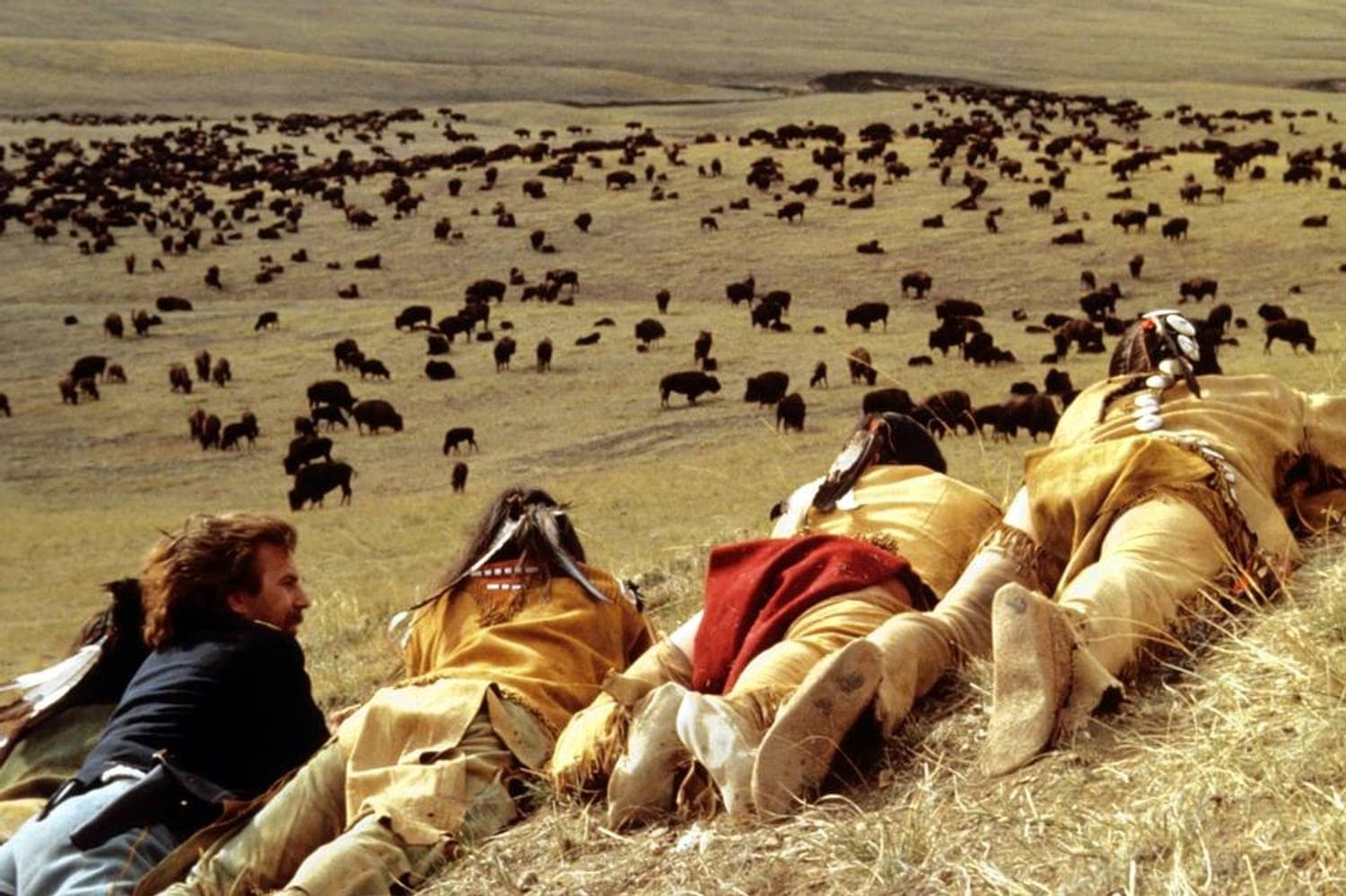
The results? Healthier soils, more plant diversity, better water infiltration, carbon sequestration gains, thriving wildlife (dung beetles included—Mimi’s happy sighting!), and certifications that turned heads: first U.S. bison ranch with Global Animal Partnership Step 4 animal welfare status, American Grassfed Association, Audubon grassland conservation, and more. Hollywood even noticed—the ranch’s vistas starred in Dances with Wolves and Wyatt Earp.
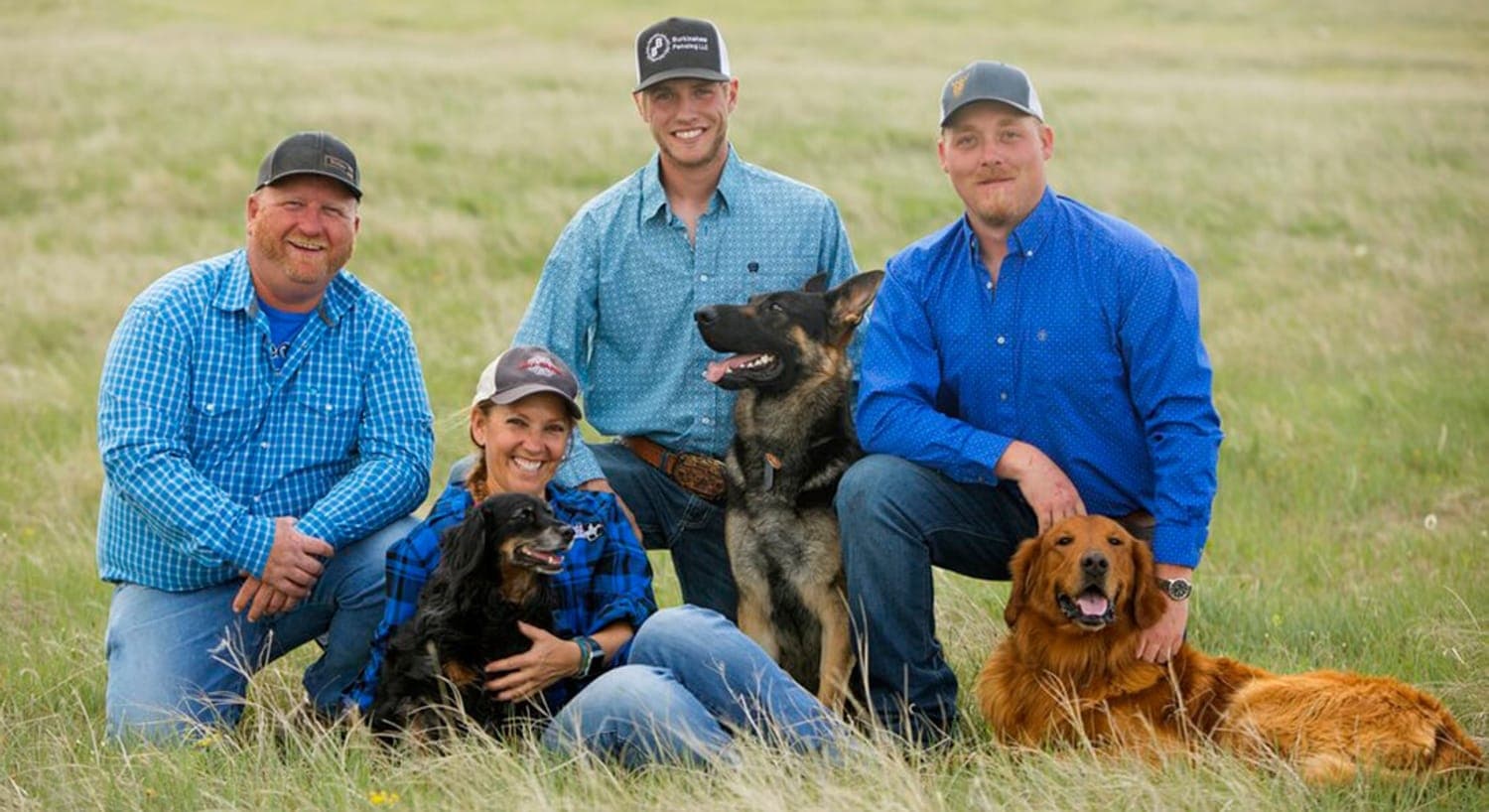
Moritz Espy, Montana cattle-ranch kid with a BS in Natural Resource and Ranch Management, “wandered” to South Dakota in 2005 chasing buffalo for fun… and never left. As ranch manager he lived the holistic dream day-to-day: managing grass more than animals, low-stress handling (Temple Grandin consults included), four-wheeler herding, and building a tight crew. His outdoor office was the prairie itself. Together, Mimi and Moritz made the 777 a living classroom and profitable grass-fed meat/live-animal operation that inspired others across the industry.
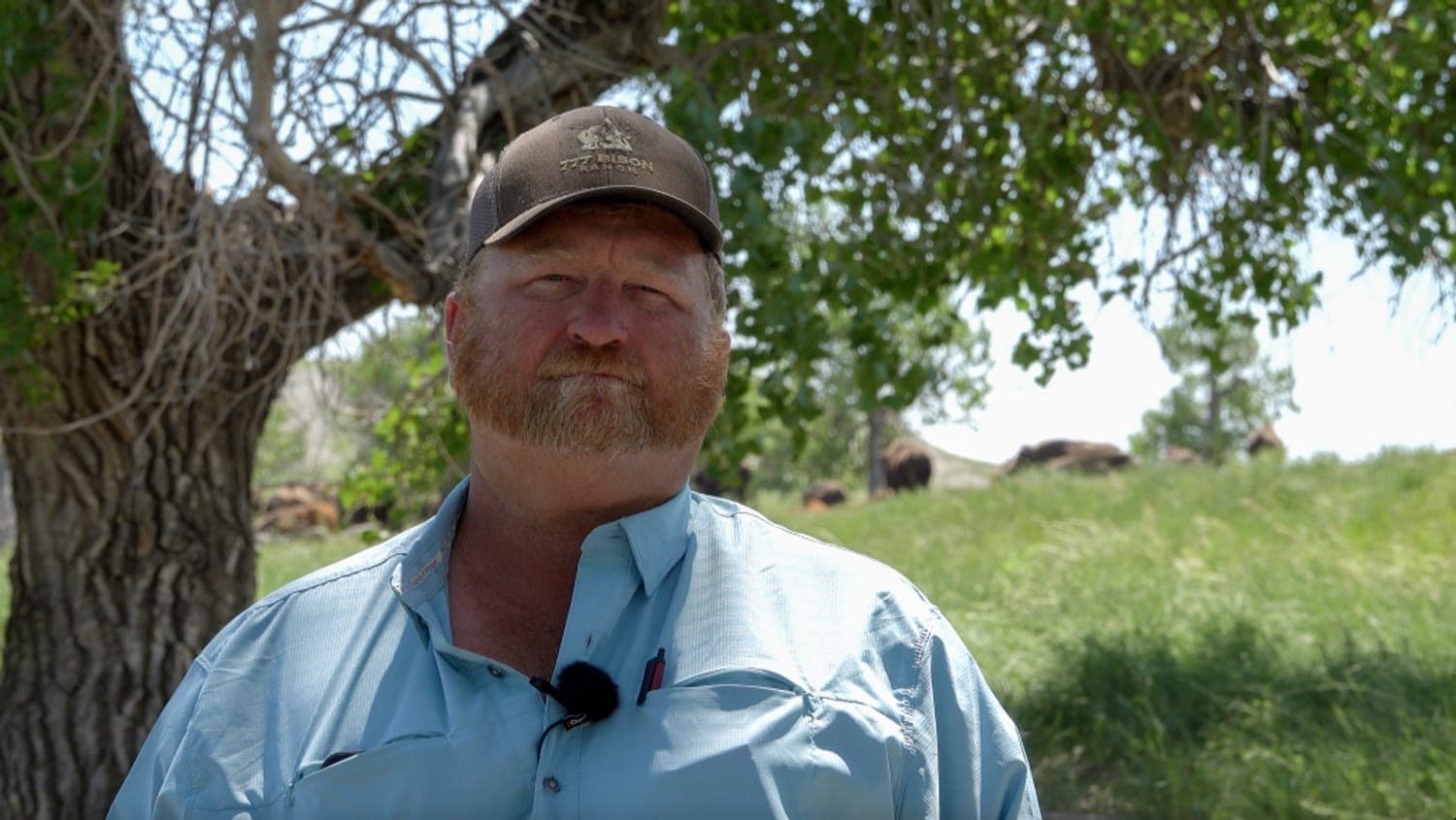
Their influence stretched far beyond the fence lines. Moritz served multiple years on the Dakota Territory Buffalo Association board (including as president) and as National Bison Association Region 3 director (Montana, North Dakota, South Dakota), advocating for producers, transparent deals, and the industry’s future—exactly the circles where many of us crossed paths and shared the work. Mimi, meanwhile, poured energy into the National Buffalo Foundation (the research-and-education powerhouse supporting bison science, Hall of Fame, interpretive projects, and more). She has long served on its board of directors and is quoted warmly on the foundation’s site as a longtime rancher championing research and education; earlier leadership roles, including time as president, fit the dedicated trajectory many of us remember. Both helped elevate bison from near-extinction story to sustainable, regenerative success.
Then came the big chapter turn. In 2024 the ranch—listed as Dakota Partnership Ranch, still stocked with about 1,800 bison, fully improved for the job, and celebrated for its conservation awards—sold for $31.7 million (roughly 25,756 deeded acres plus state lease). The Nature Conservancy acquired it that October. TNC has emphasized that the property, already managed with strong conservation practices for decades, will remain a working ranch focused on bison habitat and production. They are committed to protecting its cultural and ecological value while collaborating with Native Nations and local communities. The iconic landscape that once hosted film crews and pioneering regenerative grazing continues its prairie mission under new stewards.
And the dynamic duo? Life after the sale has them writing fresh pages. Moritz, the former bison-wrangling legend, is now a Fairburn Volunteer Fire Department firefighter—still the “top-notch dude” stepping up for community (recently helping relocate a lone bison after a tourist incident near Custer State Park). He is also doing ranch consulting... in a great way. The prairie skills translate nicely to protecting the same South Dakota country he knows so well.
Mimi remains deeply tied to the bison world as a National Buffalo Foundation director and industry voice. The woman who once said living her childhood dream of ranching and conservation was “the coolest 30 years of my life,” and who even expanded horizons with a property in Chile’s Patagonia, continues championing the animals, the land, and the next generation of stewards. The 777 website still echoes the old team spirit, a digital reminder of the era she and Moritz built.In the end, the 777 story is pure fun Western epic: a family vision, a Montana cowboy who showed up for the buffalo chase, a wildlife-biologist-turned-regenerative-rancher who made the prairie sing again, industry leadership that strengthened the whole bison community, a landmark sale to a conservation powerhouse that keeps the working-ranch flame alive, and two people still contributing in their own ways.
The herds may have a new address, but the legacy of Mimi Hillenbrand and Moritz Espy thunders on—reminding us that good land stewardship, a little grit, and a whole lot of bison can rewrite the prairie’s future. Here’s to the next roundup, wherever it leads.
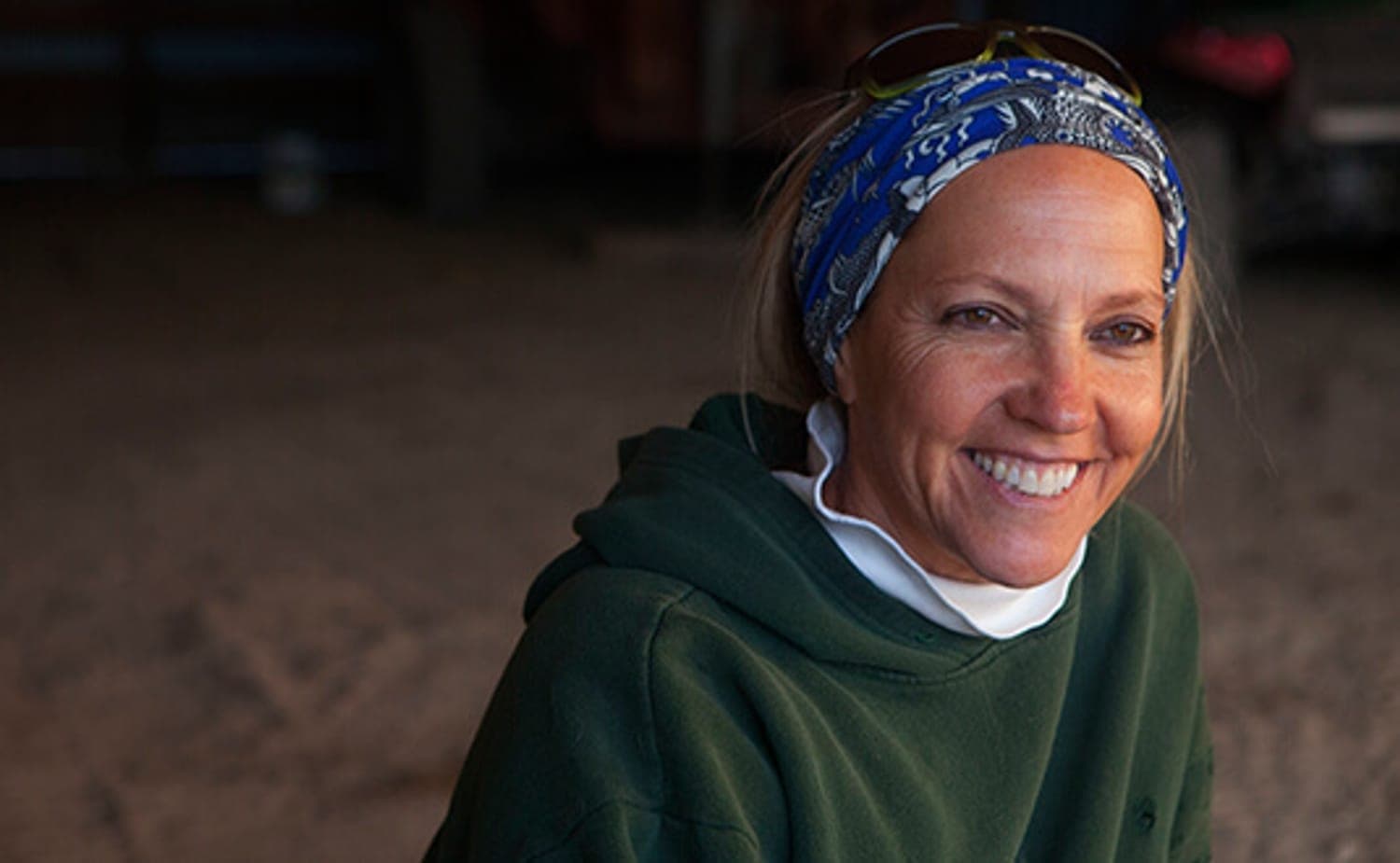
This post was published
Happy Bison Month!!
We are almost to the end of these, and to be completely honest, I just didn't have it in me to finish this one this morning... was a crazy busy working weekend, and I was just flat worn out.
Worked outside in the 105F heat all day yesterday, just trying to get stuff caught up before we go. This farming side gig takes some effort and work, and I have been putting stuff off for too long... have been at the desk more than usual this month (as y'all are more than aware)
Figured y'all could use a little break from these too. Did make it to work by 6am, and have been packing stuff up all day. Y'all have kept us hopping this month. Best July on record for us! I am guessing everyone is buying their holiday stuff now before the Aug 1 price increase, and before we run out of stuff. Makes sense to me, that is what I would be doing.
I did somehow manage to get something finished today, and I didn't want to not complete bison month.. still have some great stories in the bag. only 4 more this month... then back to the once weekly. NGL, i am ready for that. Hope you have enjoyed some of these great rancher stories. The Terry Bison Ranch is one of our favorite places, have taken the grands horseback riding up there, was a great time.
Hope you had a wonderful weekend and had some fun, got stuff done, and are doing well. I am taking our shipment for the Alaska fair to the freight terminal in the morning, so probably another evening one tomorrow.
Things have been so busy around here, I am not even gonna stick products at the bottom of this, y'all are buying stuff as fast as we can make it. Thank you so much!
Hope you had a truly great day!
Ron & T, and the crew here at the BWC
From a friend, and yes, I laughed... because I really felt like this this morning.

Where the Buffalo Roam (and Tourists Hand Them Snacks):
The Wild, Woolly Tale of Boyd Meyer and Terry Bison Ranch
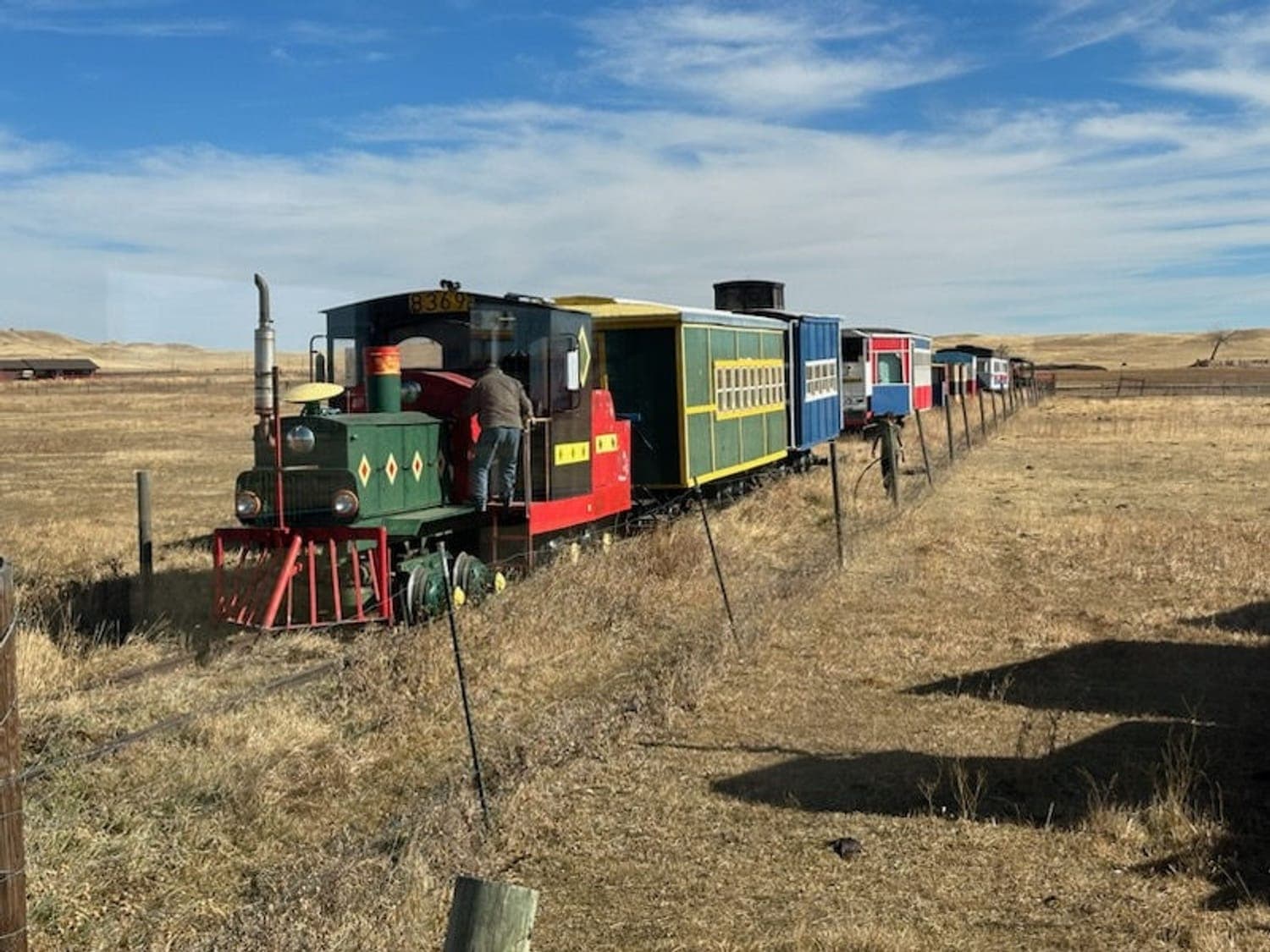
Picture this: You’re rattling along on a quirky little train built from old military vehicles, rolling across the Wyoming-Colorado border under a sky so big it makes your phone camera feel inadequate. Suddenly a half-ton woolly tank with a beard and an attitude ambles up, and you get to feed it by hand. Welcome to Terry Bison Ranch—where history, commerce, tourism, and pure Western chaos collide in the best possible way.A Ranch with Serious Pedigree (and Presidential Cocktail Hours)Long before it became a place where kids squeal over bison pellets, this 27,500-acre spread (once part of a massive 300,000-acre operation) belonged to Charles H. Terry, then to F.E. Warren—Wyoming’s first territorial governor and later a long-serving U.S. senator. Warren turned it into the southern headquarters of his Warren Livestock Company, running cattle, sheep, and even champion sheepdogs.
Teddy Roosevelt dropped by in 1903 and 1910 for dinner, cigars, and cocktails in the bunkhouse (still standing!). General “Blackjack” Pershing was a regular too—he married Warren’s daughter and got a speedy promotion in the process. Legend has it the ranch’s 7XL brand was chosen because if a hungover cowboy flipped it upside down, it still read the same. Practical branding at its finest.
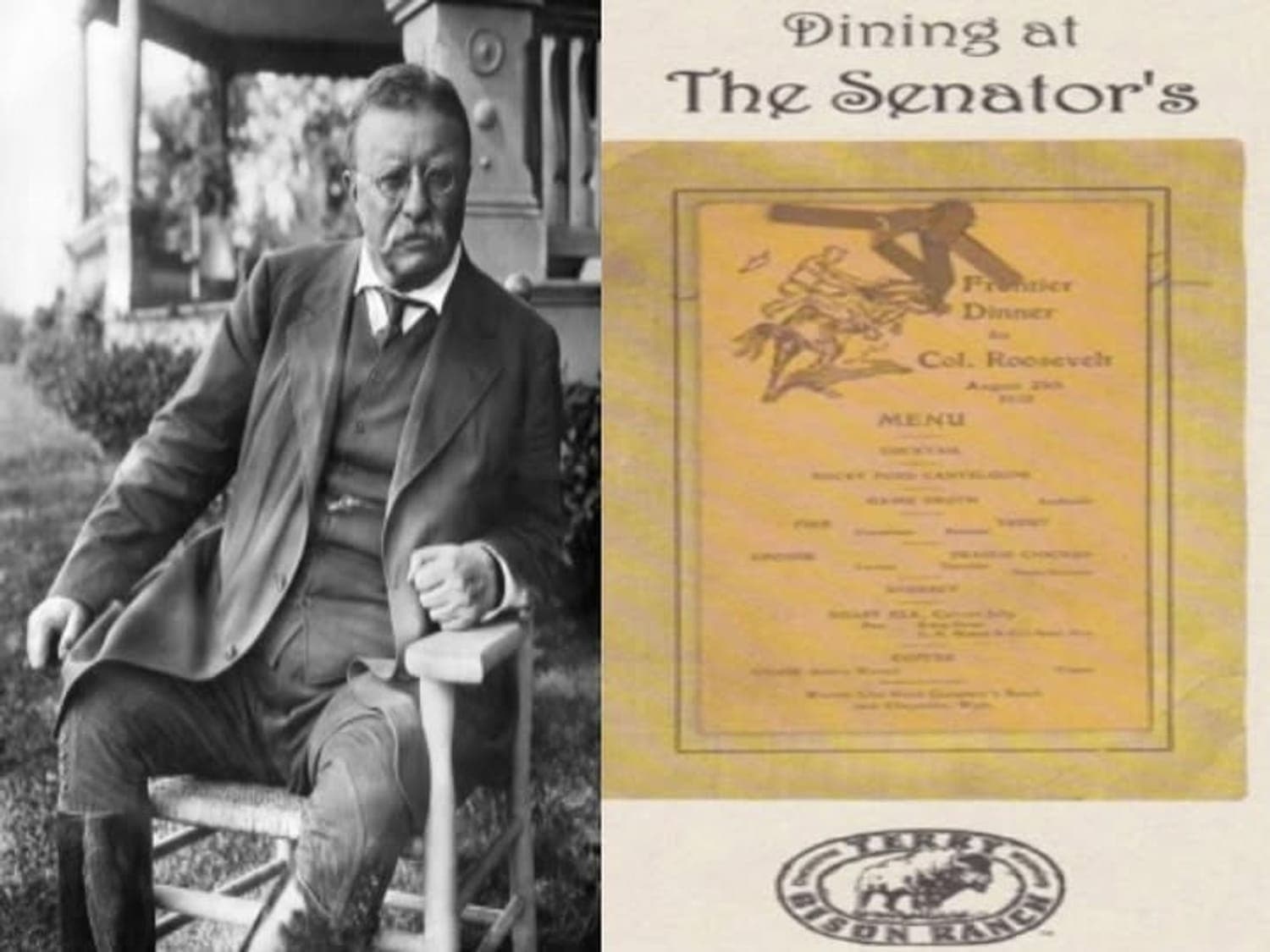
Fast-forward to 1991: Ron and Janice Thiel bought the place. Ron wanted to raise bison. Their son Dan had a bigger idea—let the public get “up close and personal” with these magnificent, slightly terrifying beasts. After a year of red tape, Terry Bison Ranch Resort was born in 1993. Chuckwagon dinners in a three-walled barn, wagon tours that the bison kept charging and tipping over… classic startup problems, Western edition.
Buses replaced the wagons (mud and snow had other plans), then in 2004 the family laid 2.5 miles of track with rails from the Pacific Railroad and built custom trains from old military vehicles. The Terry Rail Express was born—Wyoming’s only privately owned tourist railroad. Genius. Also slightly mad. Perfect.
Enter Boyd Meyer: The Guy Who Actually Raises the Buffalo, and just a very cool guy too.
While the Thiels turned the place into a family-friendly adventure (train tours, horseback rides, pony rides, steakhouse, RV park, cabins, metal sculptures made from scrap, and even a “Chicken Bus”), It's a pretty amazing place to spend some time at, but someone had to keep the actual bison business running. That someone is Boyd Meyer of Cold Creek Buffalo Company. Meyer grew up showing hogs, then ran cattle. A friend suggested bison. He checked out a conference at the stock show, got hooked, and by 2002 was dabbling part-time. In 2005–2006 he leased the Terry Bison Ranch land, bought the herd, and went all-in, and did it amazingly well.
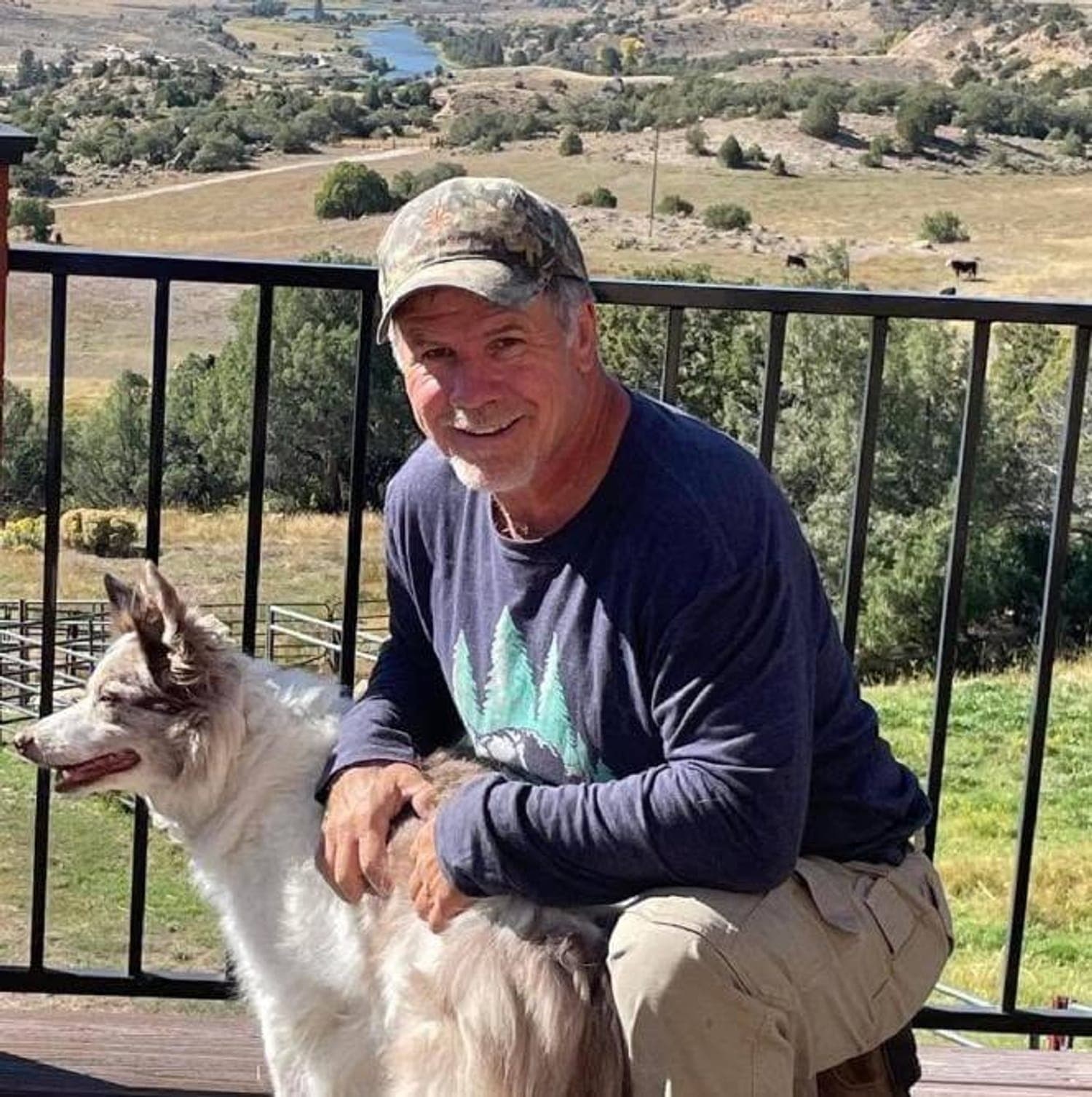
Today he and his family (wife Allison and four sons deeply involved) run a serious commercial operation on those same rolling acres. Roughly 750 bison (numbers have fluctuated over the years—he’s finished thousands annually in the past), rotational grazing, DNA testing for performance, and a feed yard. The animals are efficient little (okay, massive) forage machines: a bison cow eats about half what a beef cow does in winter and mostly takes care of herself. Calving? They handle it. Escaping? They’ll jump a six-foot fence flat-footed if they feel like it, so the secret is keeping them happy.
One winter storm, hundreds of them drifted through a fence and onto the Union Pacific railroad tracks. The railroad was… not thrilled. Meyer’s philosophy is pure Mother Nature respect mixed with practical cowboy smarts: “You’re not going to force them to do anything they do not want to do. As long as you are patient, you are fine.”
He’s become one of the bigger private bison operators in the country, helping restore a species that once teetered near extinction. Private ranchers like him get a lot of credit for the rebound from roughly a thousand animals to hundreds of thousands.
Two Worlds, One Epic Ranch
Here’s the fun part: The majestic herd tourists feed from the train is living the dual life of commercial livestock and celebrity attraction. Meyer’s Cold Creek operation supplies the serious meat side. The Thiel family’s resort side delivers the unforgettable experiences—hand-feeding, trail rides, Senator’s Steakhouse buffalo burgers (Bobby Flay once crowned one the best in the state), and enough Western kitsch and genuine history to make any road-tripper happy.It’s a place where you can learn that bison are smarter and tougher than they look, that trains made from military surplus are surprisingly charming, and that Wyoming still does big sky, big animals, and big personalities better than almost anywhere.So next time you’re near Cheyenne (just take I-25 exit 2 and head south on Terry Ranch Road), hop on that train. Wave to the woolly residents. Maybe silently thank Boyd Meyer for keeping the herd healthy and the Thiels for making it so darn entertaining. And if a bison gives you that look that says “Got any more pellets?”—just smile. You’re part of the story now.Where the buffalo roam… and occasionally crash the railroad. Only in Wyoming.
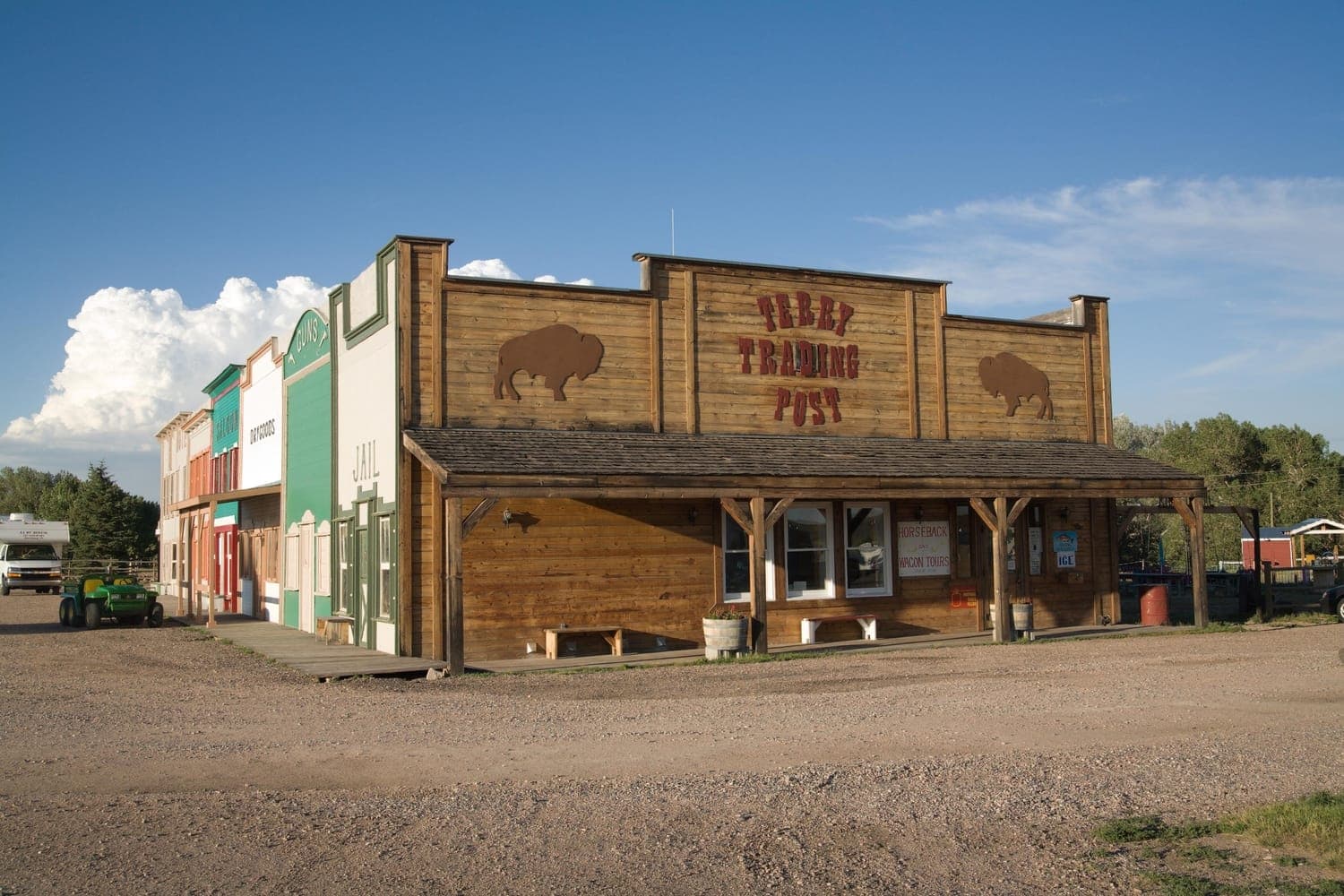
Well worth the visit.
Bison Enchilada Breakfast Ring- From Great Range Bison.
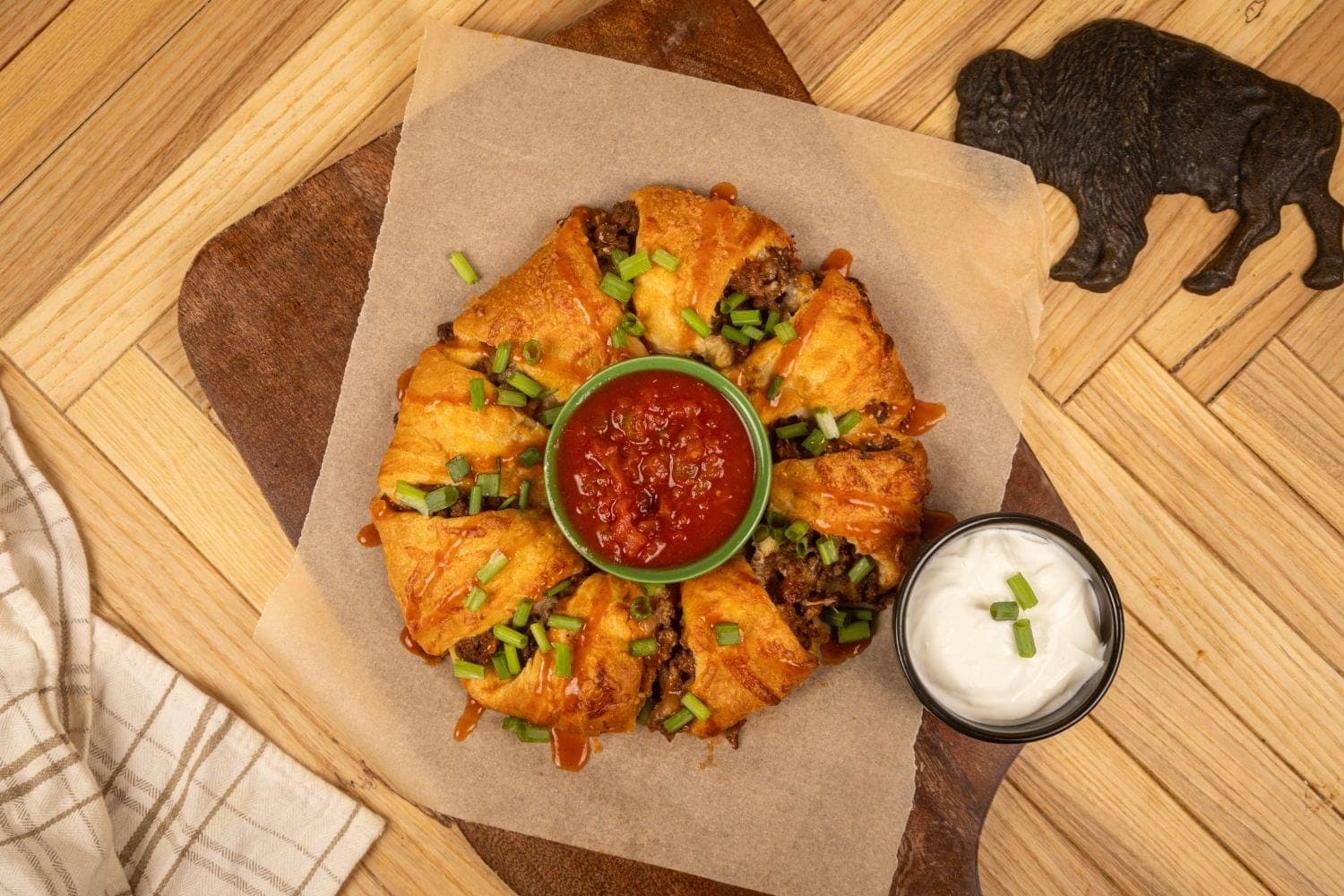
Enchilada Biscuit Ring
Makes 2 Biscuit Rings
Ingredients
- 16 oz ground bison
- ¼ cup shallots (if you have them... if not up the onions and garlic)
- 1 tablespoon garlic
- ½ cup enchilada sauce + more for drizzling
- ½ cup cheddar cheese - shredded + more for topping
- 2-3 green onions - chopped
- 2 cans crescent biscuit dough (or make your own..thats what we did)
- 4 tablespoons butter melted
Instructions
- In a large skillet over medium-high heat, add the ground bison and sear until mostly browned. Stir in the chopped shallot and garlic. Continue to stir until the shallot is softened and the garlic is fragrant, about 5–6 more minutes.
- Add the enchilada sauce. Stir until most of the liquid has evaporated, another 3–4 minutes. Turn off the heat and stir in the cheese. Remove from the heat source and set aside to cool to room temperature for about 30 minutes, or until it is no longer steaming.
- The filling will make 2 rings, but only prepare one ring at a time to keep the cooking even. Keep the biscuit dough in the fridge until ready to fill.
- Preheat the oven to 375°F. Prepare a round baking sheet with parchment paper, then unroll the crescent dough and separate into individual triangles. Arrange the triangles in a star pattern on the baking sheet, leaving about a five-inch gap in the center.
- Add about 1–2 tablespoons of the cooled filling to the inner edge of the ring. Lift and fold the top half of each triangle over the filling and gently tuck the ends underneath to seal. Leave small gaps between the dough sections for even baking.
- Brush melted butter over the ring, then add shredded cheese and a drizzle of enchilada sauce. Bake for 12–15 minutes or until the biscuits are puffed and golden. Check the bottom of the ring to confirm the dough is fully baked and adjust the time as needed.
- Repeat the above steps with the remaining dough and filling and transfer to the oven as soon as the first ring comes out.
- When the bread is done, remove from the oven and transfer the ring, using the parchment paper, to a serving platter. Garnish with green onions, plus extra enchilada sauce and cheese as desired.
- Cool for 10 minutes prior to serving. Pair with salsa, queso, or sour cream - enjoy!
This post was published
Happy Bison Month!!
ALMOST DONE!!!! got a couple more coming up in the next few days, but today is one of the best guys in the business. Rod has done so much for all the associations, is a huge fundraiser for research, and just a fun great guy.
Dad dropped his striploin recipe as well, easy and delicious stuff.
Hope you have a truly great day!
Ron & T, and the crew here at the BWC
send em!!!
The International Bison Social Director:
Rod Sather’s Lifelong Dedication the industry.
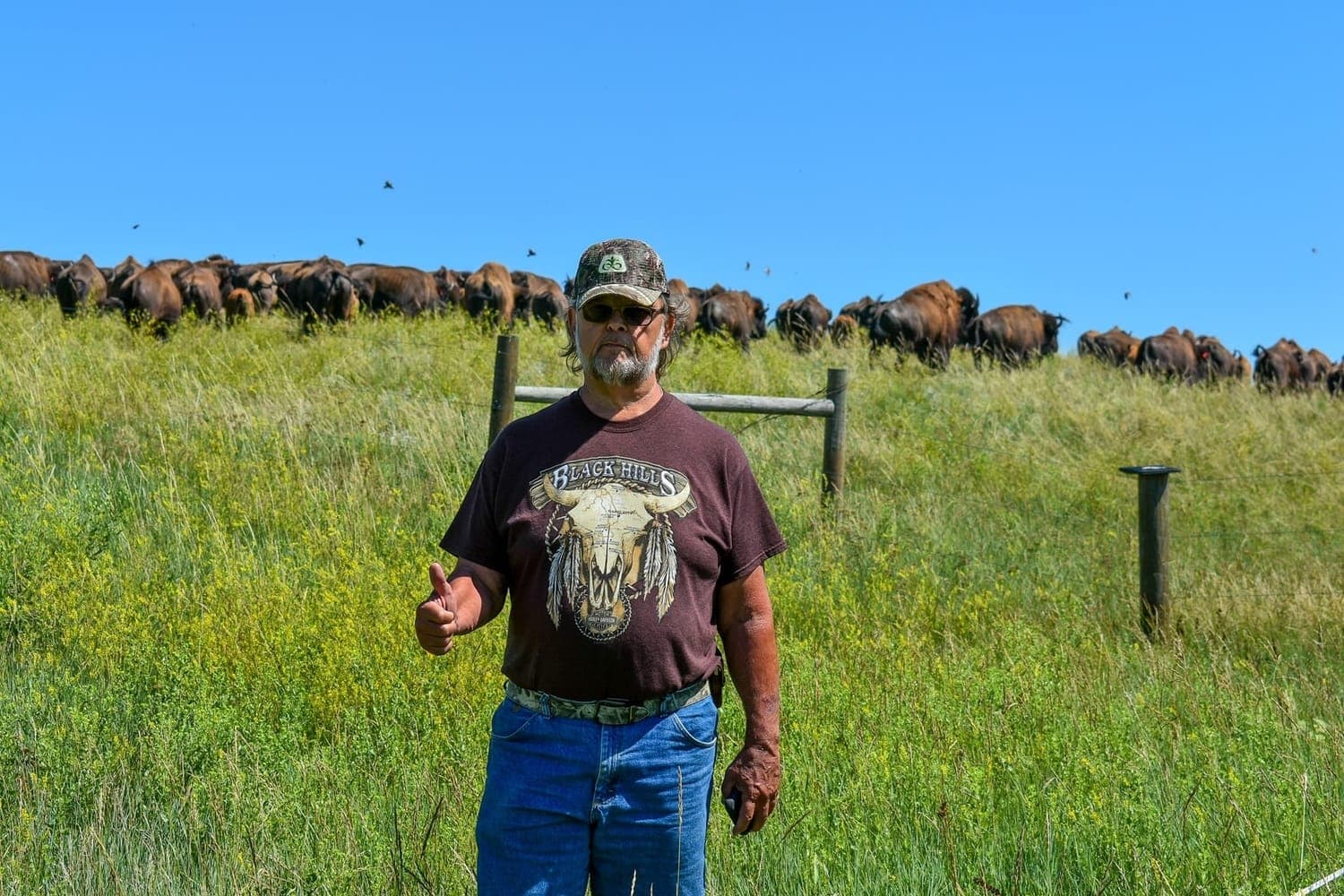
In the vast grasslands of central South Dakota near Vivian, where the Ft. Pierre National Grasslands meet the open prairie, Rod Sather has spent more than five decades championing one of North America’s most iconic animals—the American bison. As owner of Mosquito Park Buffalo (Mosquito Park Enterprises), Sather isn’t just a rancher; he’s known throughout the industry as the “International Social Director”—a title earned through his boundless energy, humor, networking across borders, and tireless efforts to build and sustain the bison community. His story is one of passion, resilience, and profound community impact. Through decades of ranching, leadership in associations, landmark awards, educational events, and innovative gathering spaces, Rod Sather has helped preserve the bison’s legacy while strengthening the people who raise, promote, and celebrate them, he is also deeply involved with Pheasants Forever. Just cares about our environment and our wildlife. Lynnette Sather is the wife of Rod Sather, She was his longtime girlfriend before they married on August 2, 2012, in a full-moon destination wedding and celebration in Big River, Saskatchewan, Canada. The wedding had a fun, bison-themed flair: Rod reportedly wore buffalo-hide clothing and buffalo jewelry, while Lynette wore fine French silk accented with silver buffalo jewelry.The couple has stayed active together in the bison community.
Rod is often called the “International Social Director” of the industry for his networking and involvement in groups like the National Bison Association, Dakota Territory Buffalo Association (which gave him a Pioneer Award), and others. Lynette has shared in that world, including trips related to bison events and outdoor pursuits (she once “lured” him to the forests of Saskatchewan for hunting). They live in the Vivian, South Dakota area.
A Lifetime in Bison
Sather’s journey began in the early 1970s in southwest Minnesota. After reading about the American buffalo as a student, he attended his first National Bison Association (NBA) conference in Pierre, South Dakota, in 1972. That experience hooked him. He purchased his first calves at the Custer State Park auction and started a herd on his family’s land. Early years brought challenges—harsh Minnesota winters, roaming bison, and learning the ropes of handling these powerful animals. By 1993, drawn to the wildlife-rich landscapes, he moved to Lyman County, South Dakota, settling in an area nicknamed the “Muddy Boot” near Vivian. There, he expanded his operations with pasture-based herds and a feedlot on the Ft. Pierre National Grasslands, growing his ranch through additional properties like the Wells and Little Cedar Ranches.In 2010, Sather made the difficult decision to sell his ranches and herd but couldn’t leave the bison world behind. He stayed deeply involved in associations while restarting a new herd in 2013 after a memorable ranch tour at an NBA conference. Today, Mosquito Park Buffalo maintains approximately 100–150 breeding cows across two herds (with plans to expand), focusing on high-quality genetics from historic sources like Fort Niobrara, Wind Cave National Park, the National Bison Range, and Yellowstone lineages. The operation emphasizes low-stress handling and healthy animals for fellow producers seeking breeding stock or finishing options.
Giving Back: Building and Strengthening the Bison Community
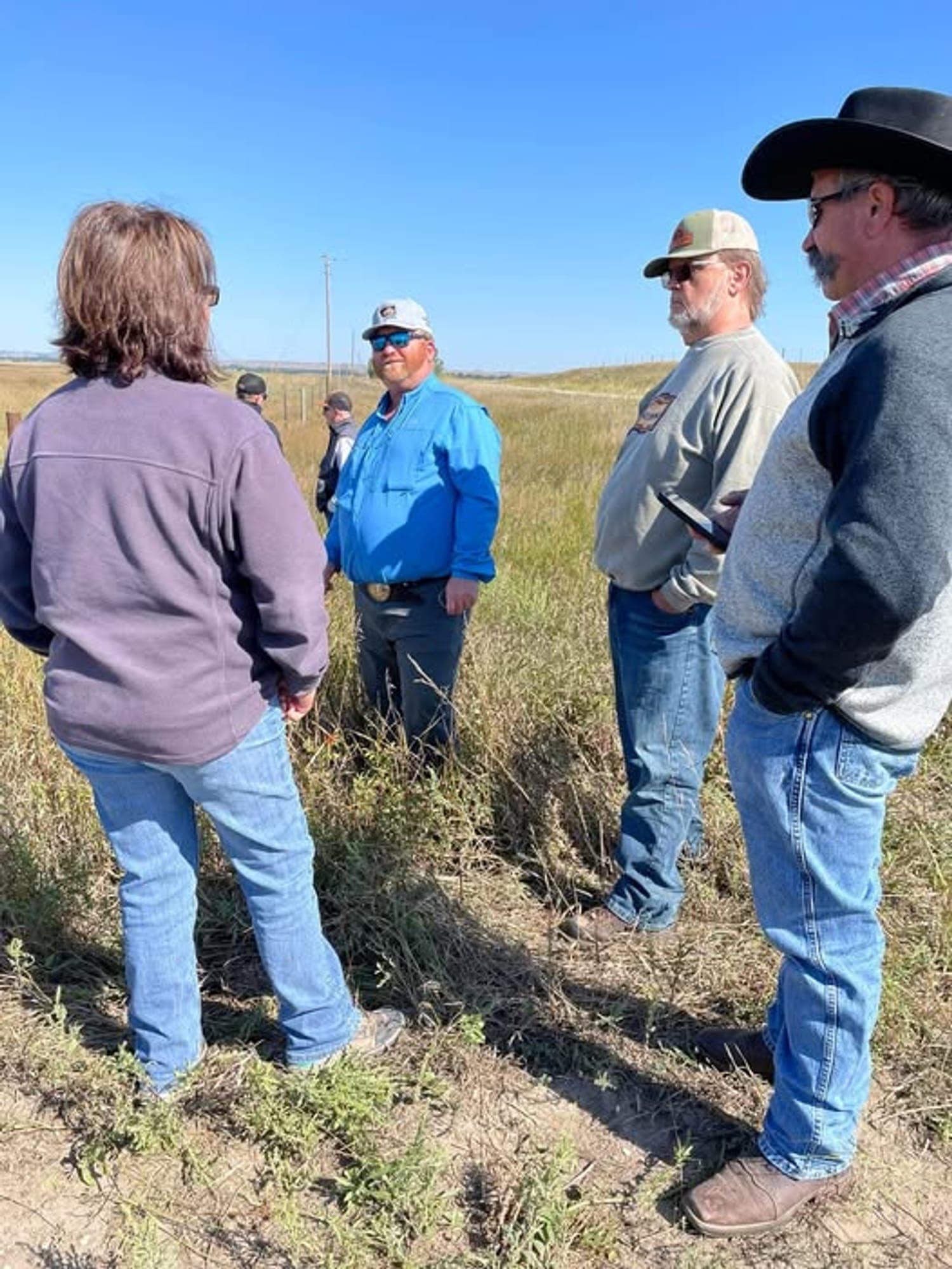
Mary Scott, NRCS, with her back to the camera, visits in the field with Moritz Espy; Rod Sather, owner of Mosquito Park Buffalo; and Chad Kremer, owner at Kremer Buffalo and herd manager at Custer State Park.
Lot of awesome people in this picture.
Rod Sather’s greatest contributions extend far beyond his own fences. His work has earned him recognition as a true pillar of the industry, fostering connections, education, conservation, and economic sustainability for bison producers across the U.S. and Canada.Leadership and Lifelong Memberships,
Sather holds lifetime memberships in the National Bison Association, National Buffalo Museum, and National Buffalo Foundation. He serves on the Board of the National Buffalo Foundation and maintains active memberships in numerous regional groups, including the Dakota Territory Buffalo Association (DTBA), Minnesota Bison Association, Rocky Mountain Bison Association, Western Bison Association, North Dakota Buffalo Association, and even the Canadian Bison Association. He has attended nearly every International Bison Conference.
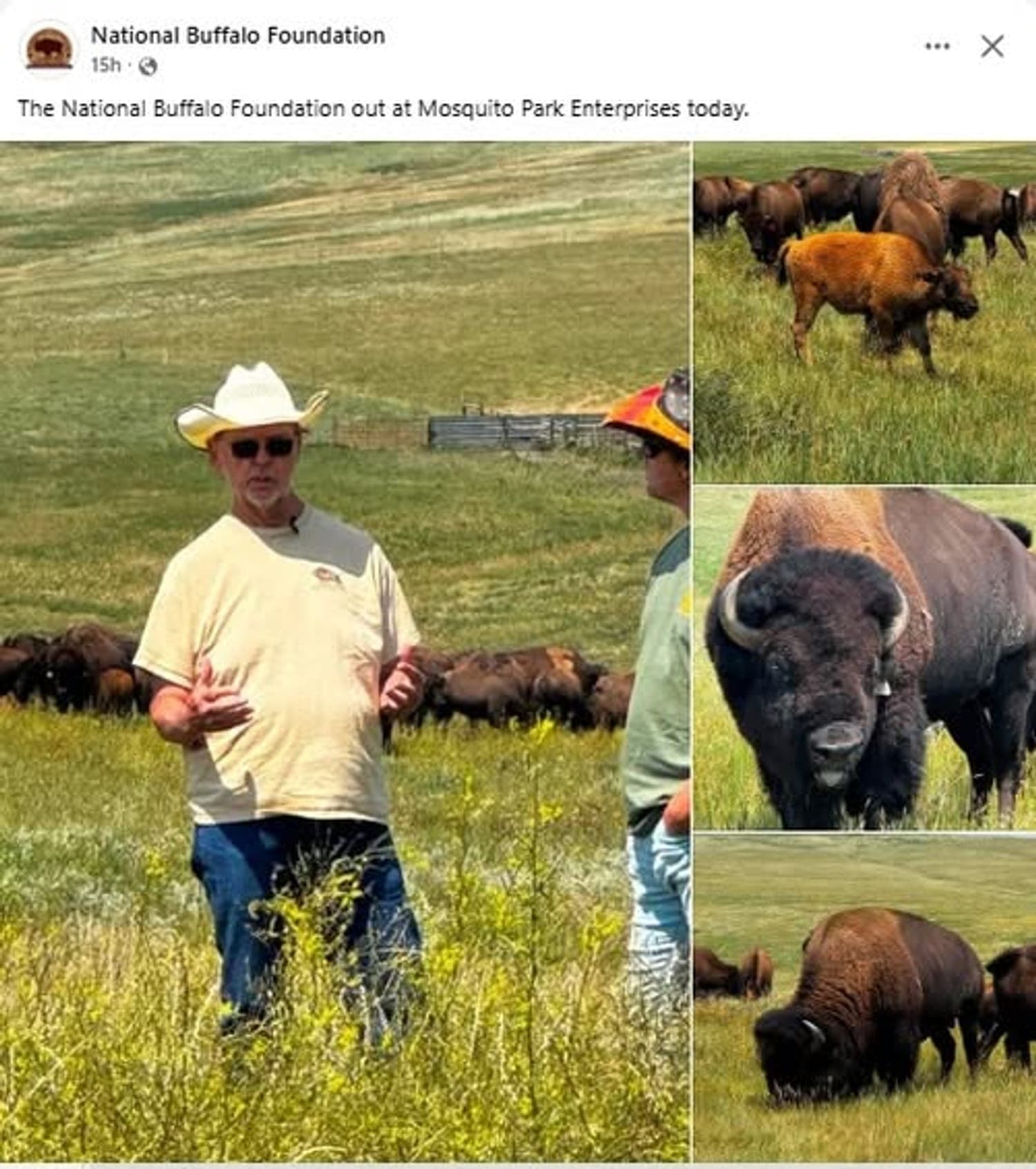
These roles allow him to influence policy, share knowledge, and connect producers from different regions—earning him the affectionate “International Social Director” nickname for his ability to bring people together with warmth and wit.Awards Recognizing Decades of Service
In 2017 (presented at the 2018 DTBA Winter Conference), Sather received the DTBA Pioneer Award for his outstanding contributions to the bison community. The association praised his involvement at every level and his pioneering spirit.
More recently, in late 2025, he was honored with the Legacy of the Herd Award by the North American Bison Discovery Center (formerly the National Buffalo Museum) in Jamestown, North Dakota. The award recognized his work in ranching, livestock management, funding projects, and promoting the conservation and sustainable production of North American bison. Executive Director Ilana Xinos highlighted how individuals like Sather have given generously of their time, talent, expertise, and resources to support the center’s mission and the broader bison community.
Events, Education, and Social Connection
Sather actively hosts and supports industry events. In 2020, Mosquito Park Enterprises welcomed producers for a DTBA Fall Bison Ranch Tour, offering herd and facility tours along with refreshments. His approachable style makes learning accessible and enjoyable.Perhaps one of his most community-oriented innovations is the Bison Rehab and Huckleberry Social Club—a gathering place he and his wife Lynnette created near Keystone, South Dakota (just 10 minutes from Custer State Park). Housed at the Hayward Valley House Vacation Rental (bookable via BlackHillsRetreats.com), it serves as a “rehab” spot where bison enthusiasts can connect, relax, and share stories. As Sather has noted, longtime industry members often said they needed such a place to gather—and he made it happen.
Conservation and Land Stewardship
Beyond the social and networking side, Sather is deeply committed to wildlife habitat preservation and conservation. He continuously works to improve the land and natural resources on his properties for future generations, aligning sustainable bison ranching with ecological health.A Legacy of Connection and CareRod Sather’s impact on the bison community is immeasurable. For over 50 years, he has bridged generations of producers, promoted responsible stewardship, supported conservation efforts, and created spaces—both literal and figurative—where the bison world can thrive together. His humor, generosity, and dedication have made him not just a respected rancher but a beloved figure who strengthens the entire industry. Whether through board service, award-winning contributions, hosting tours, building social hubs, or simply being the guy who brings people together with a smile and a good story and amazing wine, Rod Sather exemplifies how one passionate individual can make a lasting difference.The bison at Mosquito Park continue to roam the South Dakota grasslands, but thanks to people like Rod Sather, the community that cares for them is stronger, more connected, and better equipped to carry this iconic species—and its cultural and ecological importance—into the future.Visit Mosquito Park Buffalo operations or learn more through industry associations like the National Bison Association or Dakota Territory Buffalo Association.
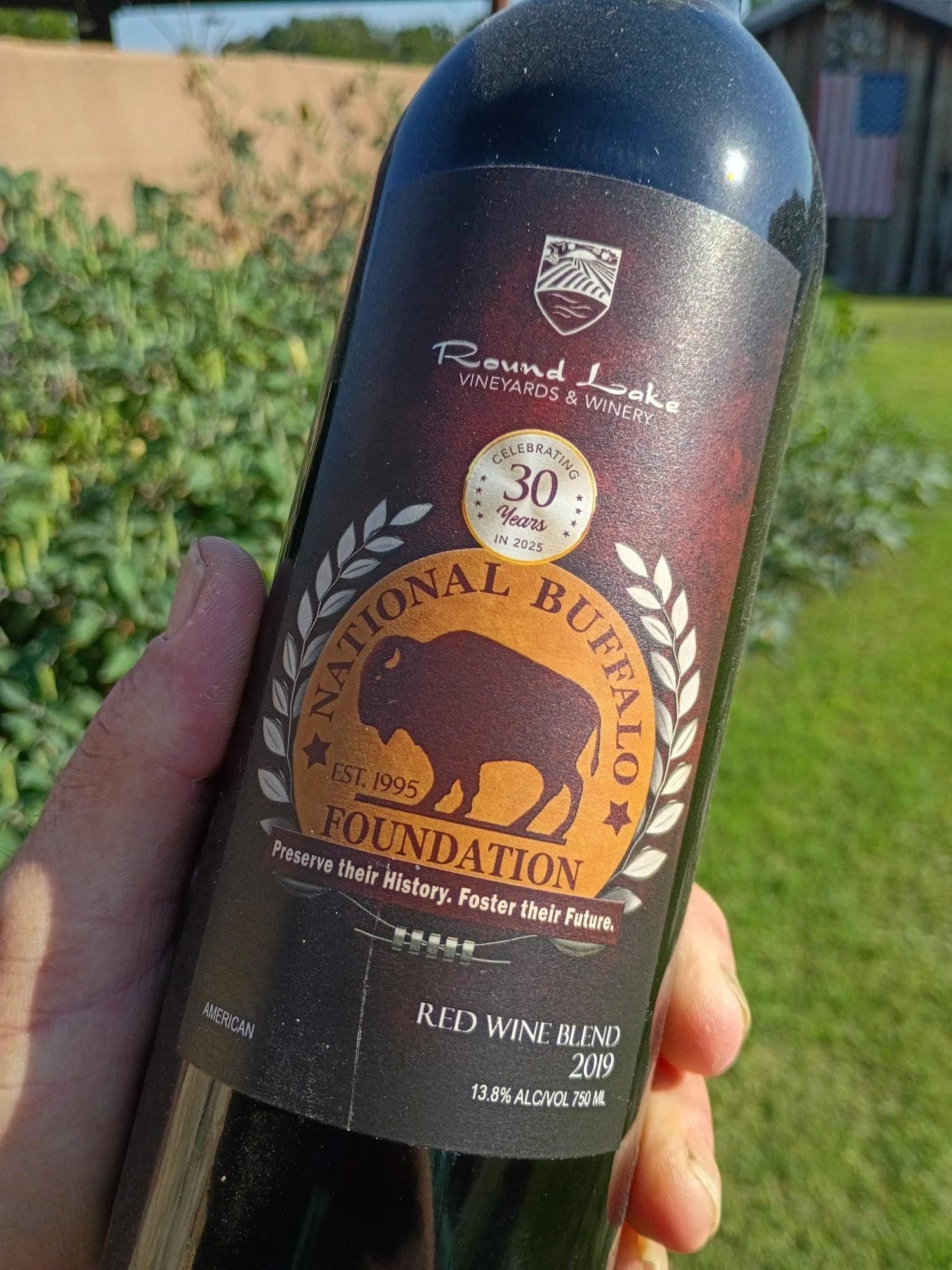
And if that's not enough cool stuff about Rod, he also happens to have a winery... and at most events donates a bunch of bottles for fundraising. It is so good too, there is always a lot of competiton to go home with some. It's not just red wine, it's Rod WIne..
For the Bison Rehab experience near the Black Hills, check www.BlackHillsRetreats.com.
Roast Bison Striploin- My favorite cut.
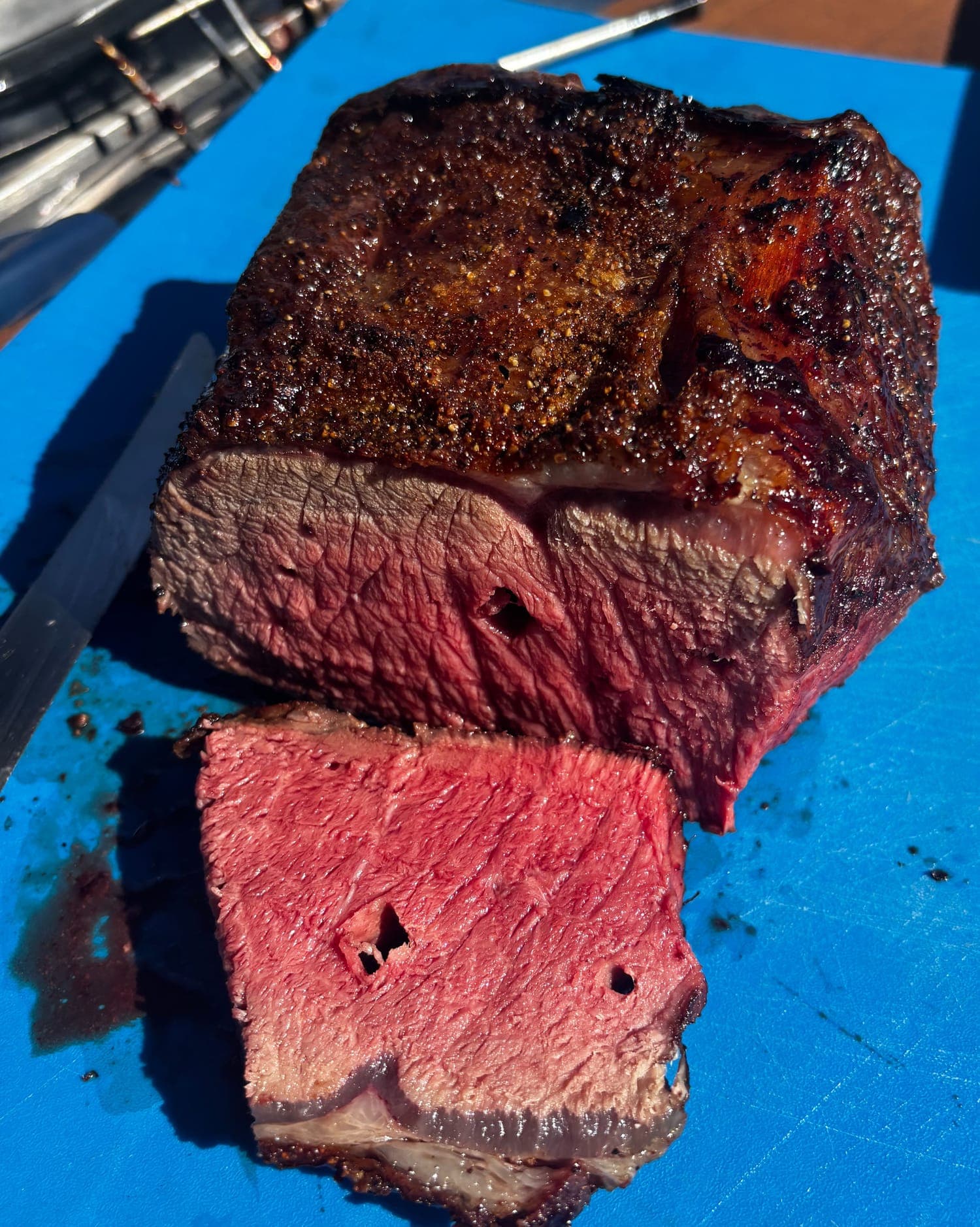
4-5 lb bison striploin, whole
Set pellet smoker (or your favorite smoker) to 250 degrees. trim silverskin off strip loin, but leave all or most of the fatcap in place.
rub with salt and pepper, or your favorite spice blend .... but keep it light; bison doesn't need much extra flavor other than salt and pepper.
Place in smoker fat cap up, so whatever melts off runs over the meat. Pull when internal temp reached 115. Place on hot grill to char outside or singe with torch. Especially crisp up the fat cap Let rest 30 min to an hour. Slice and enjoy. You can have a little sauce for dipping if you wish; BBQ, horseradish, Thai Chili; ...your choice again .... but plain is mighty fine.
This post was published
Happy Bison Month!!
Keeping on keeping on with this stuff, but there is light at the end of this tunnel... 6 more days only, then back to the once a week stuff. I am not sure who is gonna be happier about that, you guys or me... it's a moderate amount of extra work here... but worth it.
This has been fun, learning more about our friends and how they got started in the bison business... these are the things we don't usually talk about when we hang out. Mostly we talk about the future and our going forward plans, so learning the history behind these great ranches has been pretty educational for me as well.
This is a big one for us, Bob Dineen and Ace Ward at Great Range Bison, also known as Rocky Mountain Natural Meats are hugely important to us here at the BWC, and they are truly great guys. Everyone who works there is wonderful too; Emma at the front desk, Freddie who keeps things moving, Chuck, and all the rest.. tells me that managment is solid and lets people do their jobs and supports them.
I got to hear Bob tell the story of his getting started running meat from South Dakota down to Colorado at the NBA Winter Conference this year, it was fascinating... small beginnings to the largest bison processor in the country. I don't know anyone who is better at processing and marketing bison meat and knowing how best to make this greatest comeback story in history happen. They do such an excellent job at what they do.
Dad did the write up today... he is up at Bob's place before he heads to Alaska. Gave me the day off almost.. will do a piece on Ace soon, super great guy, and currently the NBA Vice President.
Did get in a couple fun things yesterday, Our new Pup Scrub bison tallow soap from Holmestyle... Helps eliminate fleas and ticks. Maverick loves it.
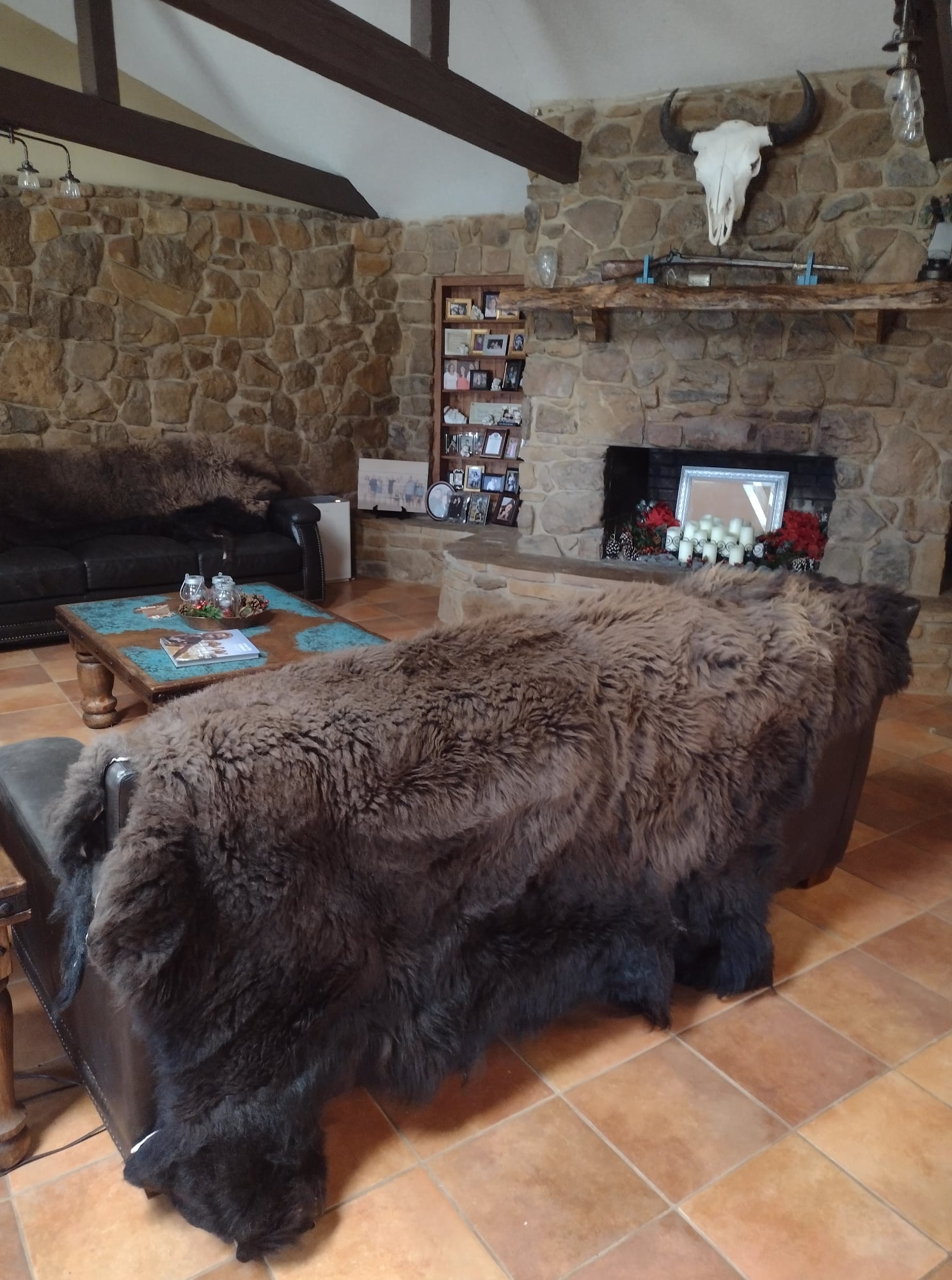
Also got a few buffalo hide keychains in from the guy building the giant rug, they are down at the bottom of the page.
Hope you have a truly great day!
Ron & T, and the crew here at the BWC
From a friend...

Bob and Laurie Dineen – Great Range Bison, Team Roping (and a whole lot more).
From the Great Range Website:
“The Great Range® Bison brand started in 1987, when our founder, Bob Dineen, had a vision to pursue his passion of sustaining the American bison population and share all of the great benefits of bison with others. What began as a simple “back of the truck” operation, turned into a lucrative business that focused on expanding bison into the market. The key difference between Great Range® Bison and other broad game meat companies was Bob’s focus on quality and consistency. This attention to detail gained the trust of customers then, and still is the guiding principle for the Great Range Premium Bison brand today. Since then, we have been the industry leader in providing quality, flavorful bison to our consumers.” Bob Dineen
That’s nice and pretty language ….. but there is SO much more to the Dineen story. I am taking a risk here, telling possibly more than they would like. Bob and Laurie both are superb on horseback, very talented in the art of team roping …. and I will be up there by them both before and after my Alaska trip. So, if I spill too much I may well get lassoed, dallied and dropped in the “trimmings” dumpster outside the meat plant in Henderson Colorado. Oh, what the hell, it’s worth the chance!! - Cecil Miskin...

Great Range Bison, Rocky Mountain Natural Meats and Brush Meat Processors – their companies – supply the world with more bison meat than virtually all the rest of the processors combined.
Why? Bob is a man of his word. He is fair beyond fair. Producers and customers alike respond to that treatment better than anything. Bob is also meticulous as to quality, health and safety both within his operations and with his products. There are no shortcuts …. And there is no easy way to do what he does. But if you want long term relationships, you do it Bob Dineen’s way – the very best way.
One of the best traits of bison “folk” is their modesty. It’s seldom about them, unless you let them include their whole family, the others that work closely with them in their operation (like ranch hands, employees and others within the bison community. And “the bison”. It is always about our critter. That modesty characterizes the Dineens. They get to work, get it done … whatever “it” might be … and on to the next project.
In fact, I had a wonderful phone call with Laurie just yesterday. She was so complementary about Ron’s write ups on long time friends but learned things she didn’t know about them. Laurie, in times past, spent summers traveling Alaska and working in fish canneries up there. That is some of the most physically demanding and less-than-pleasant work a person can do. Not to Laurie; it was just a way to keep funding that adventure. Together Laurie and Bob tackle every aspect of their collectively strenuous and preferably outdoor world.

Originally from New Jersey’s farm country, Bob graduated from West Virginia University with a degree in animal sciences before taking a livestock management job on an Angus ranch in Montana. Colorado called to him next, where he wrangled a dude string for Sombrero Ranches’ Rex Walker in Estes Park in 1983, until he answered an ad for a ranch manager position at a cow-calf operation in nearby Longmont. What Bob soon came to realize was that those cow-calf pairs weren’t of the cattle kind. They were bison.
Not exactly the life calling he’d anticipated, Bob took the job, partnered up with Laurie—then a horse boarder on the property and now his wife of a bit over 40 years—and increasingly discovered that the potential in the bison market was nearly as vast as the prairies they once roamed. In a few short years, Bob and Laurie, who’d been hired by the National Bison Association in Denver, left the cow-calf operation and Bob, in 1986, founded Rocky Mountain Natural Meats.
In 2005, Bob was inducted into the National Buffalo Foundation Hall of Fame for his ongoing work in the restoration of bison to the forefront of American Agriculture. He remains one of the youngest inductees ever. He’s worked that hard and done that well for bison.
A decade and a half later Bob was inducted into the Colorado FFA Foundation Farm Credit Colorado Agriculture Hall of Fame for much the same reason. He never stopped with his passion, his ethics, his (occasional) smile and putting his money where his heart is and was.
Laurie and Bob’s son Owen and daughter Mechaela both work for Rocky Mountain Natural Meats… but both earned their way into the company. In fact, you won’t find a single individual within any of the collective Companies that make up the Dineen’s world that haven’t both earned their way in and share the passion, the dedication, the strict requirements for health and safety …. and the friendships that have been built in, around and through Rocky Mountain Natural Meats. Everybody is on a first name basis
In late July each year for the past 13 years Bob has sponsored two charity events.
One is the Rich Zahringer Memorial Scholarship. For many years, Rich donated his accounting talents to the National Bison Association. Rich passed way too young. Rich was the CFO of Rocky Mountain Natural Meats. Rich also served on the Parker Adventist Hospital Foundation, maintained memberships with the Colorado Association of Commerce and Industry, Ducks Unlimited, Pheasants Forever and various other associations and clubs for years. In his memory and honor the NBA set up an annual Rich Zahringer scholarship for students working towards accounting and/or economic degrees with emphasis on agriculture. Bob and Laurie work to be sure the funds are always there in Rich’s memory.
The second charity event this year will be the Saturday, July 25, 2026: 18th Annual Ty Ward Golf Memorial Benefitting the Prostate Conditions Education Council. Ty was the son of on of Bob’s friends and partners, Bryan Ward. Each year the prostate council brings it’s team to the golf tourney to do free blood draws and prostate cancer screenings. What better way to honor the memory of one who didn’t have that opportunity.
Bob, Laurie, Owen and Mechaela Dineen. Working always for the betterment of this planet and it’s inhabitants….. one cut of bison at a time.

For more info on the tournament, click the image above.
Bison/Onion Smash Burgers

Ingredients
- 16 oz Great Range Premium Ground Bison (or more depending how many people you are feeding, this feeds 4..)
- 1 sweet onion- sliced into 1/4 inch thick rounds
- 1 teaspoon kosher salt
- 1 teaspoon freshly cracked black pepper
- 4 Hawaiian sweet hamburger buns
- sharp cheddar cheese- sliced
- lettuce- for topping
- pickles- for topping
For Sauce
- 1 tablespoon ketchup
- 2 tablespoons spicy brown mustard
- 3 tablespoons mayonnaise
- 3 tablespoons pickle relish
- 1 teaspoon onion powder
- 1 teaspoon garlic powder
- 1/2 teaspoon red pepper flakes optional for heat
Instructions
- Bring the ground bison meat to room temperature about about 20 to 30 prior to cooking. Cut the onion into slices about a quarter inch thick, but don’t separate them into individual rings.
- In a small bowl, whisk together the ingredients for the sauce and chill until ready to serve.
- Preheat a skillet or flat-top griddle over high heat. Place the onions onto the skillet and cook for 2-3 minutes.
- Meanwhile, roll the bison meat into four equal-sized balls. Place onto each slice of onion on the grill and use a spatula or burger press to smash the meat onto the onion so that the onion is completely covered with the meat and the meat is fully touching the skillet on all sides of the onion.
- Sear for 2-3 minutes per side for medium rare; or 4-5 minutes per side for well done. Season both sides with salt and pepper, to taste.
- Remove the burgers from the skillet and rest for 5-10 minutes for best results. Serve with sweet burger buns, lettuce, pickles and the sauce to top it off. Enjoy!
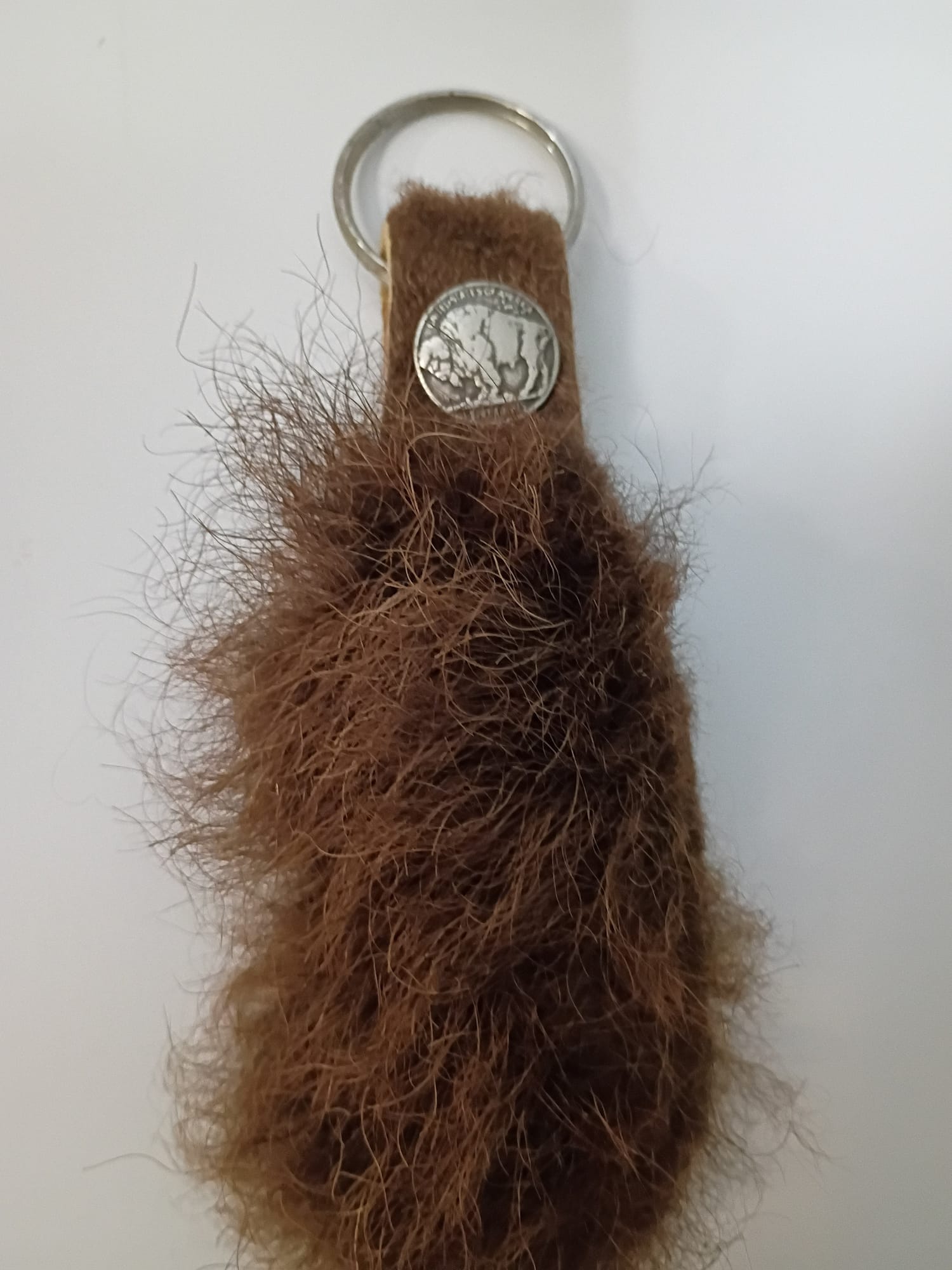
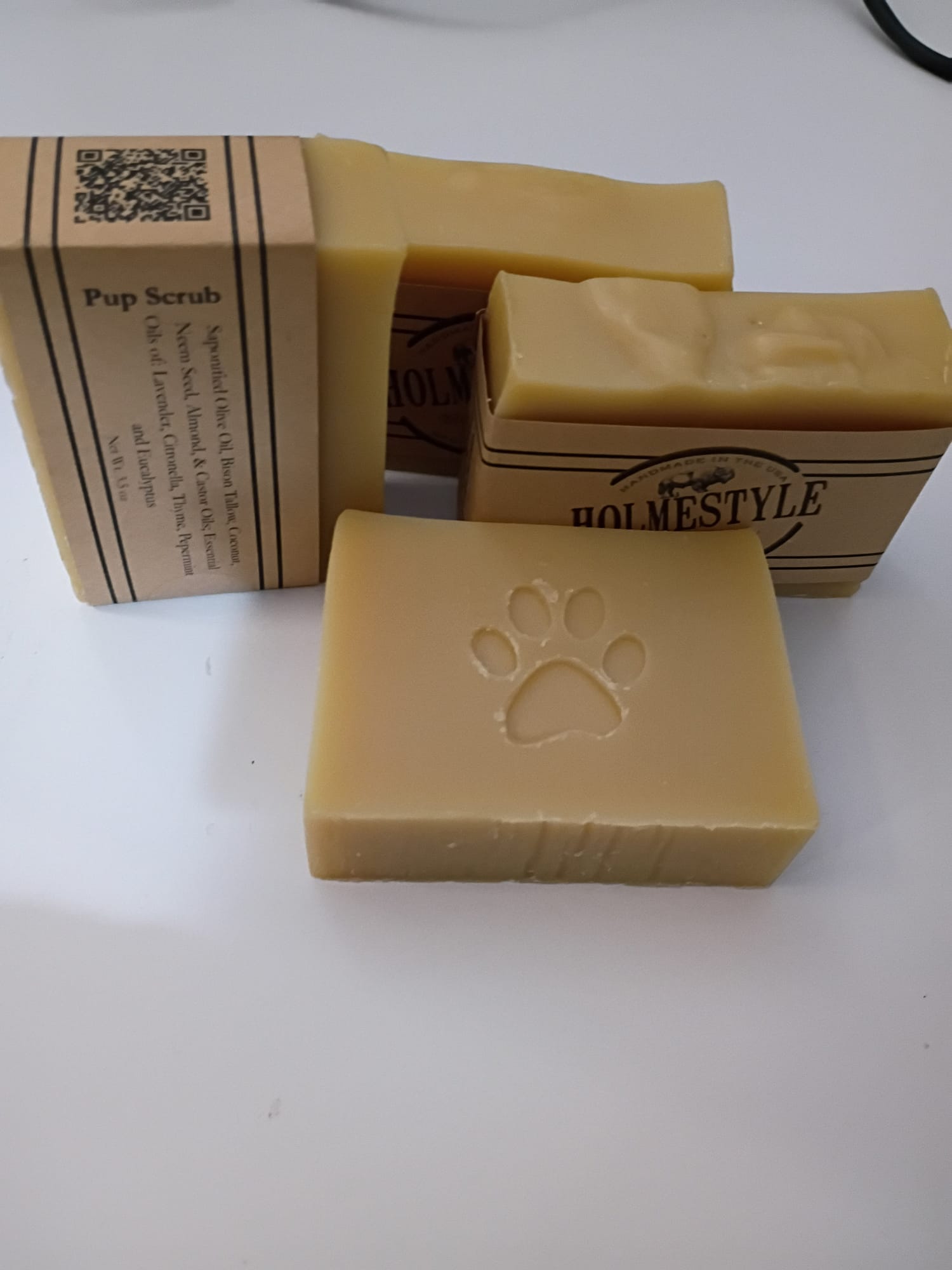
This post was published