The latest news from Ron & T of The Buffalo Wool Co. at RATH Ranch.
Forwarded this email? Subscribe here for more
Happy Bison Month!! LAST ONE
and I am gonna skip tomorrows note as well.. have been way too many of these, and I know we all need a break, but we made it all the way through.
Today we are gonna cover the creation of the National Bison Association from the merger of the two prior organizations.. it is how we got to where we are now. T, Dad and I all serve in these organizations, because we believe in the mission, and think it's important to our land.
These have been fun, these are not random folks we have been writing about, they are our dear friends and I have really enjoyed learning more about their beginnings and how they got where they are. So many more good stories to tell, but gonna space them out over the next couple years.
And I mentioned there would be a test with prizes at the end of this... so here it goes, Tell us your favorite story from this month and why? will announce winners in next Saturdays note... there will be several BWC Gift Certificate prizes, will pick at random from all entries, send to Adventure@thebuffalowoolco.com (keeps them out of the general mailbox)
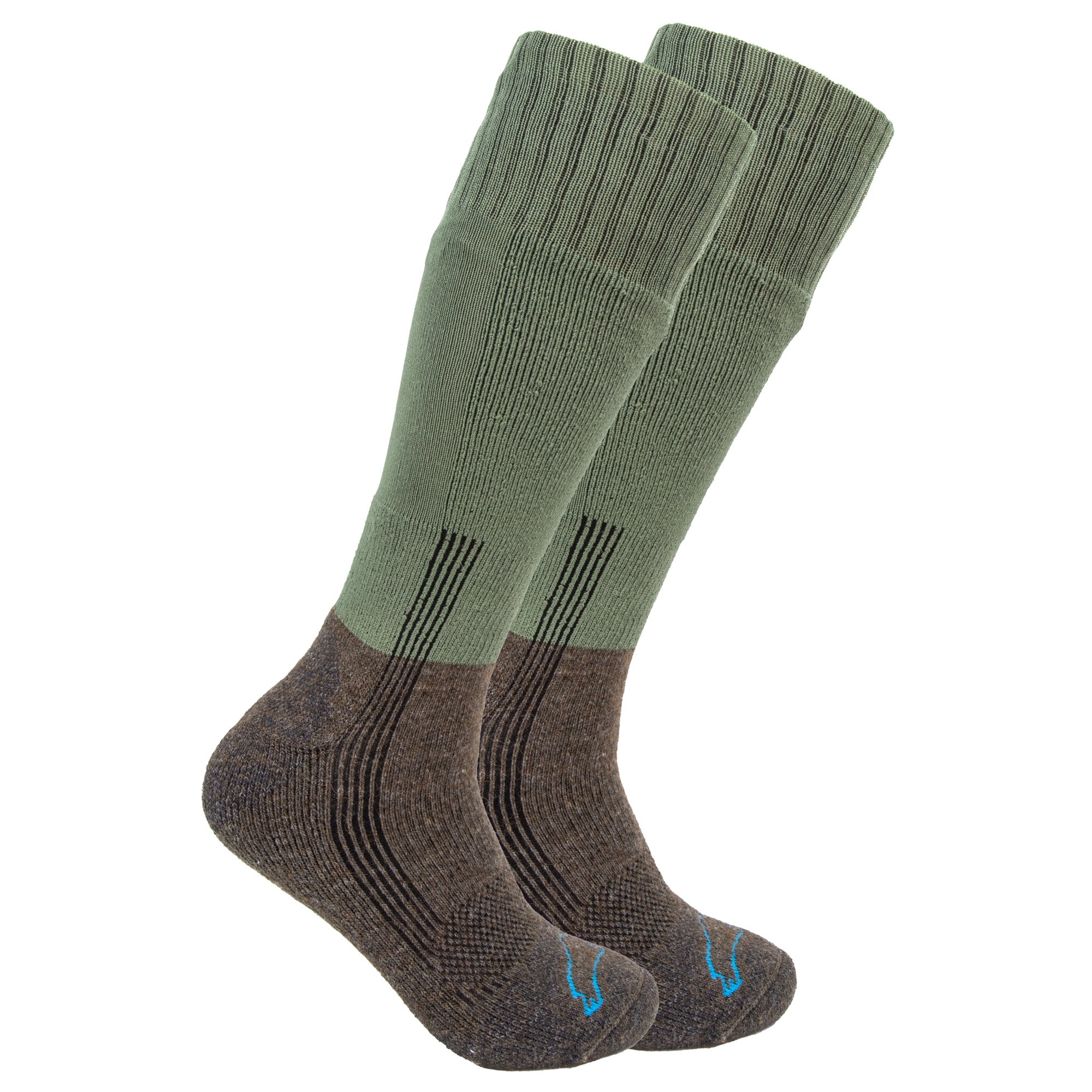
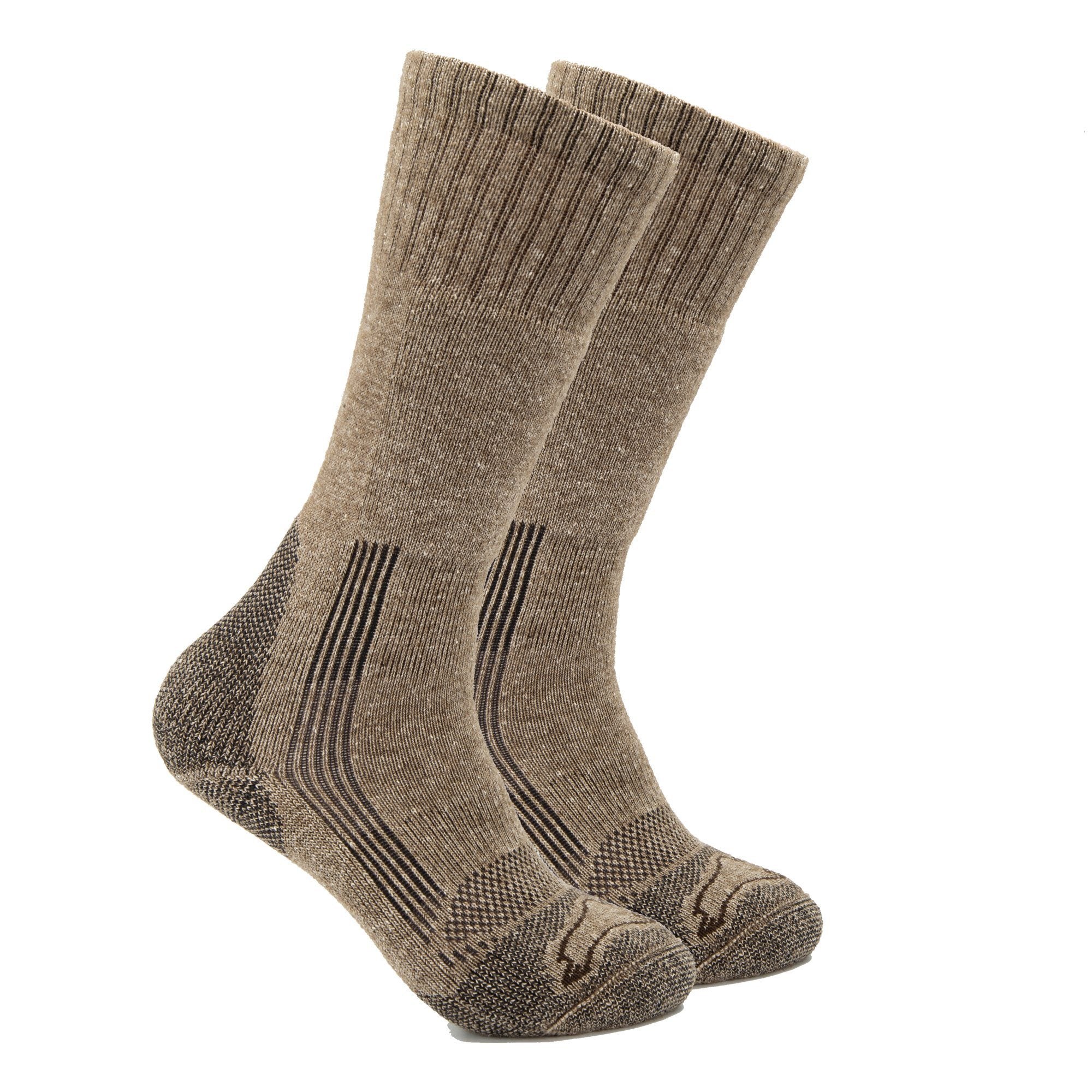
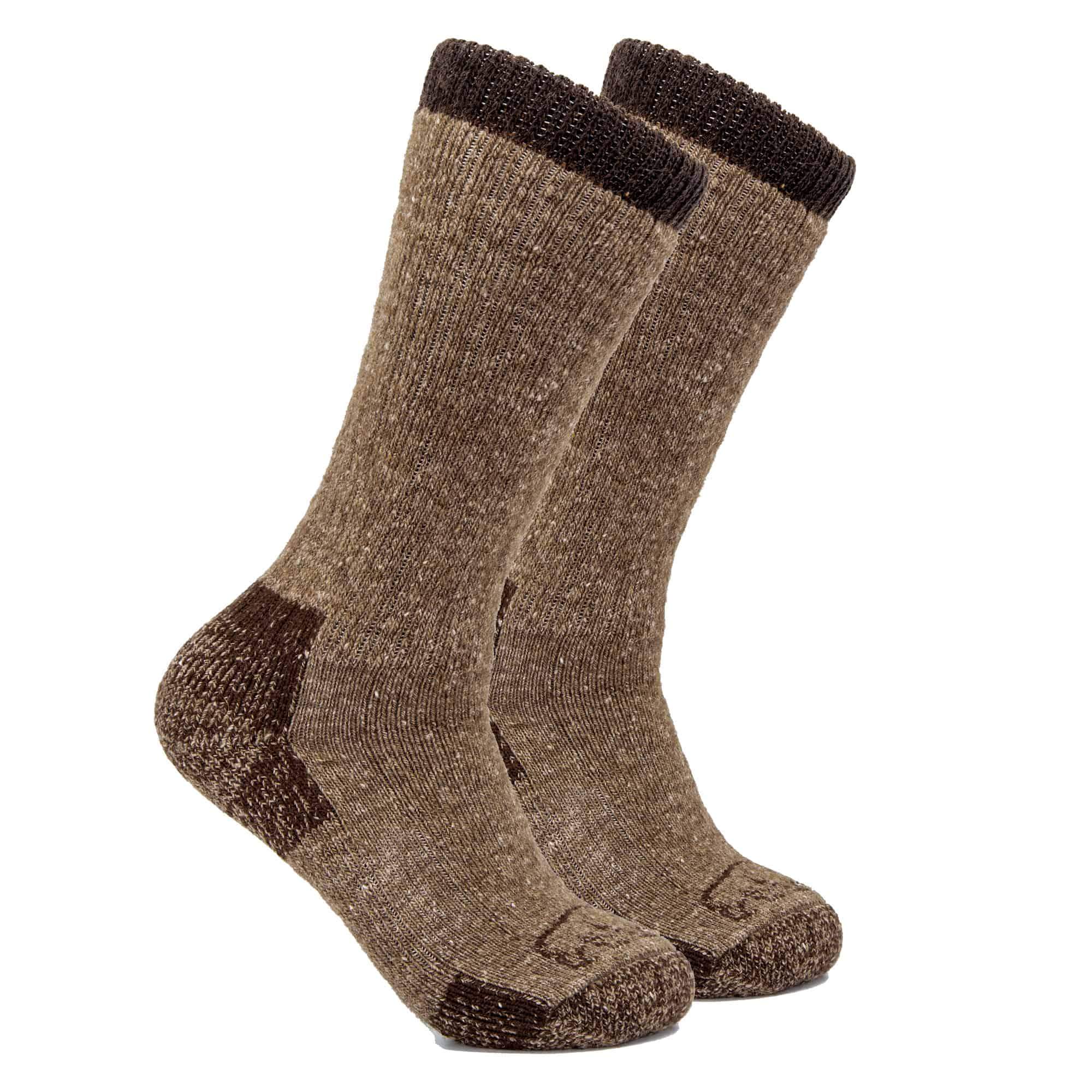
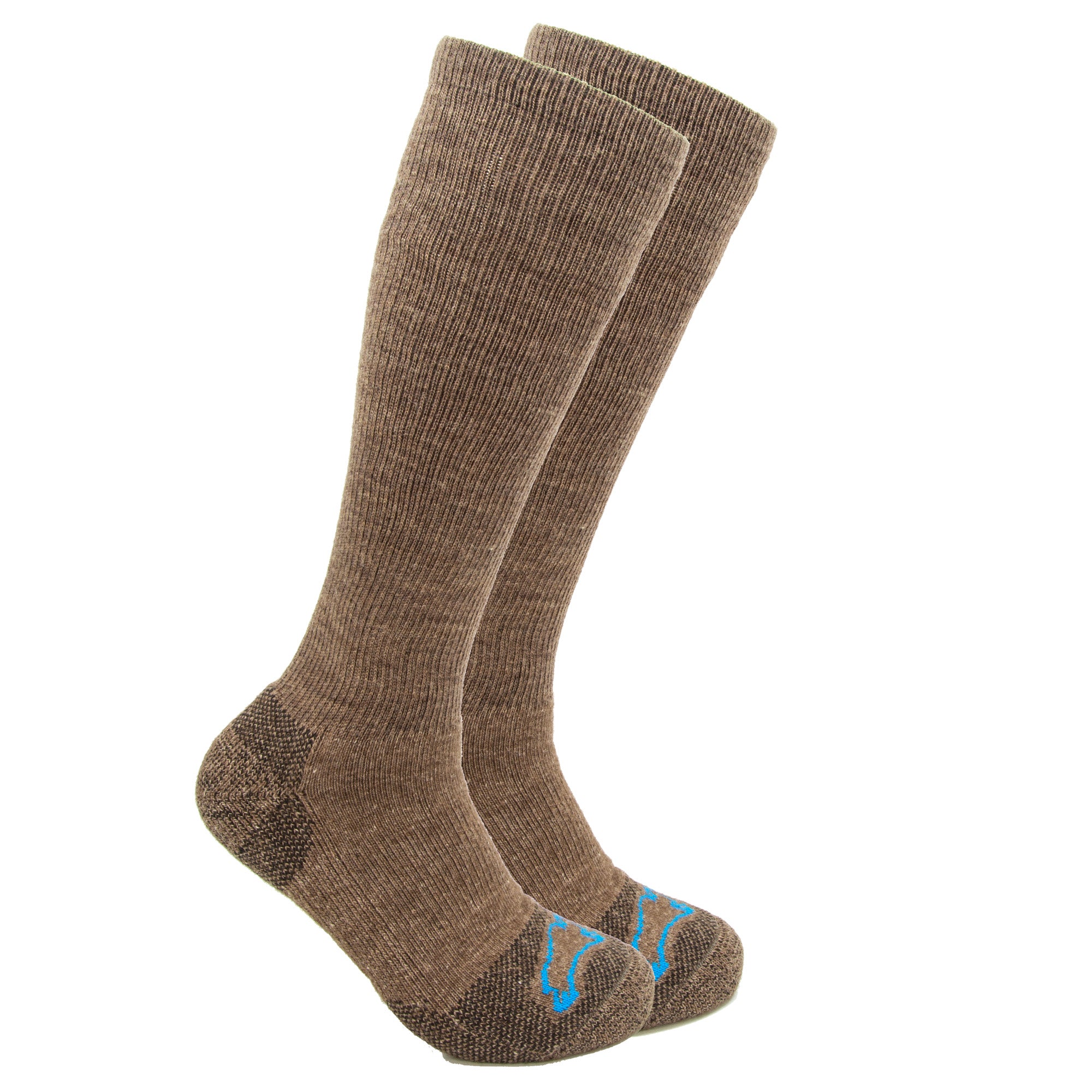
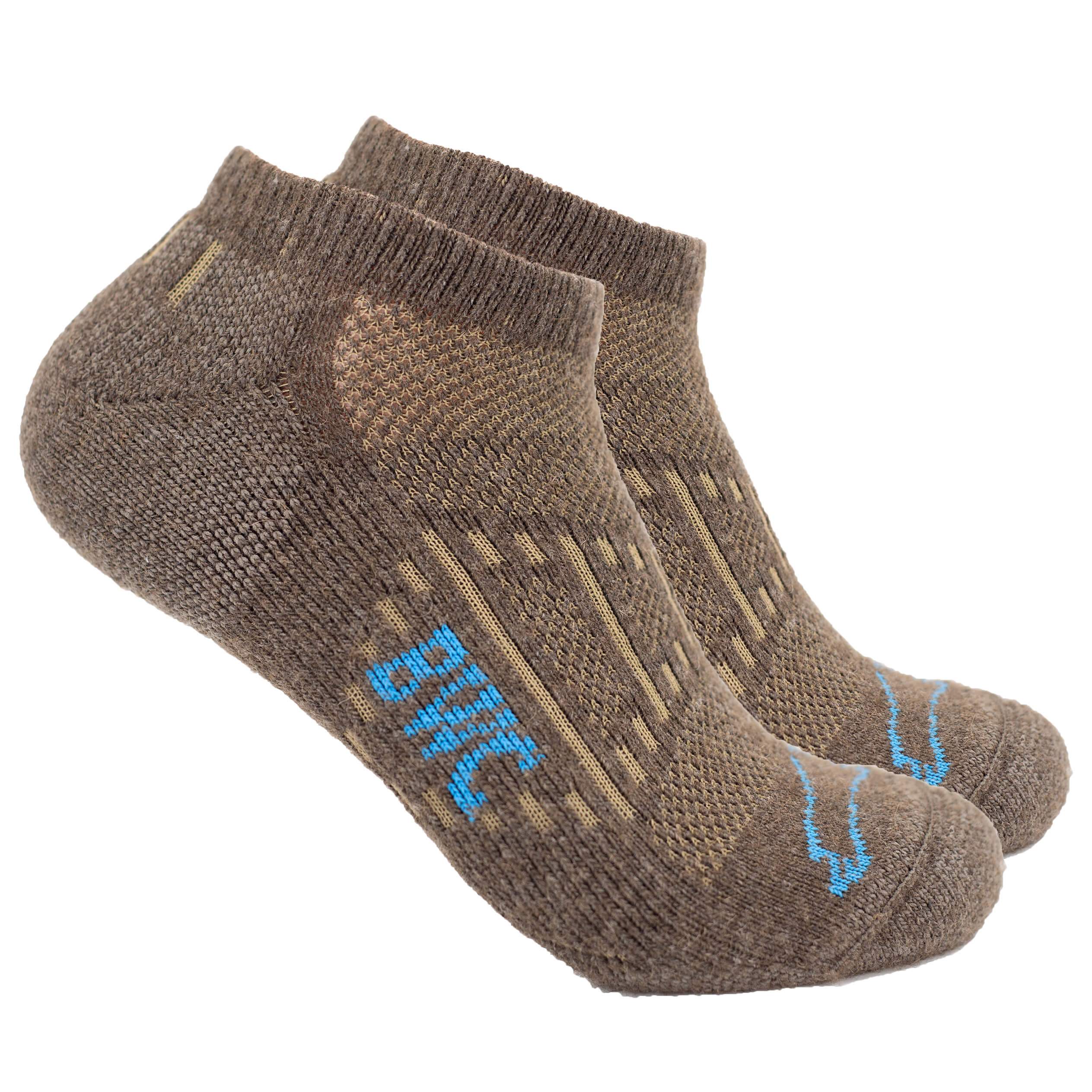
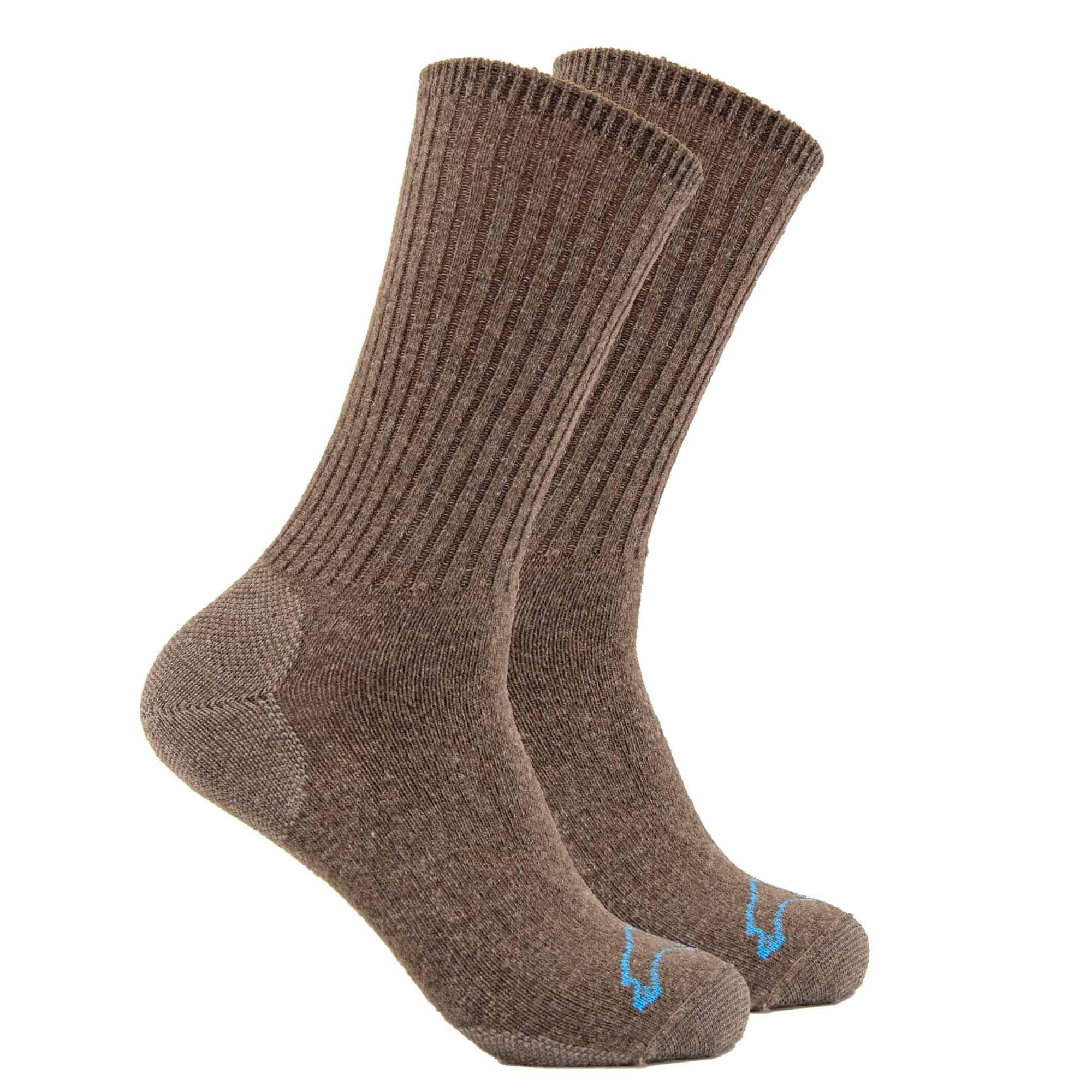
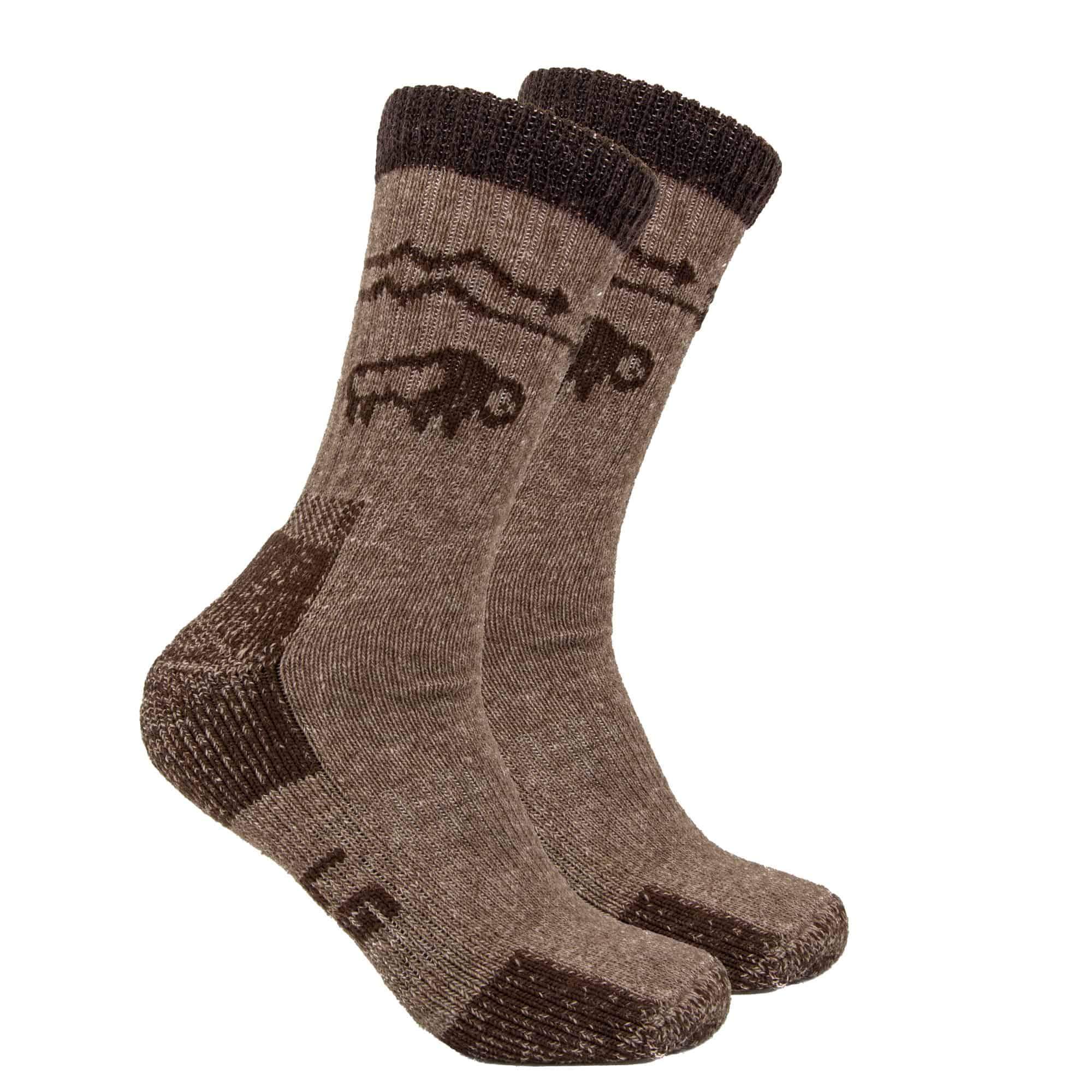
Some more housekeeping, the sock price increase goes live tomorrow, and honestly I hate doing it, but all our costs have risen, transport, materials, labor, etc, and our supply is tighter than ever before... just hoping not to run out before the holidays. We have also finally got the new "Sport Sock" samples to the Buffalo Bills... will see how that plays out. Going after SDSU and CU next... these things are so nice, very happy with how they turned out. Will have them publicly available before too awful long. It's maybe our best sock yet.
Also the Ribeye steal deal from Northstar is live now, save 26% on some seriously delicious steaks with code "BISON26" at www.Northstarbison.com
Hope you had a wonderful week, we have made it to the weekend (almost)
Ron & T, and the crew here at the BWC
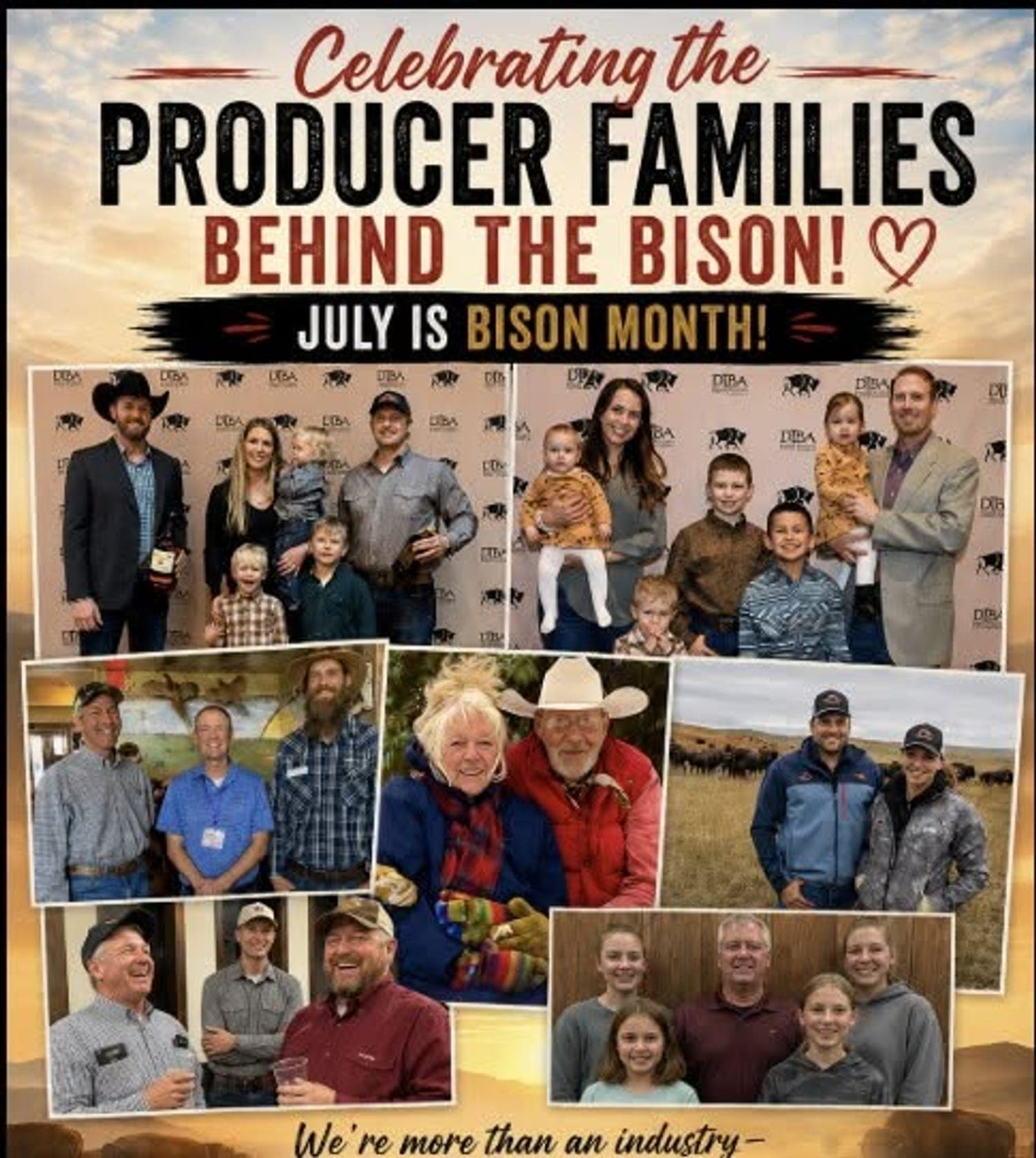
From the Dakota Territory Bison Association.. these are some of the families making the greatest comeback story in history happen.
The Formation of the National Bison Association: Uniting Two Pioneer Organizations
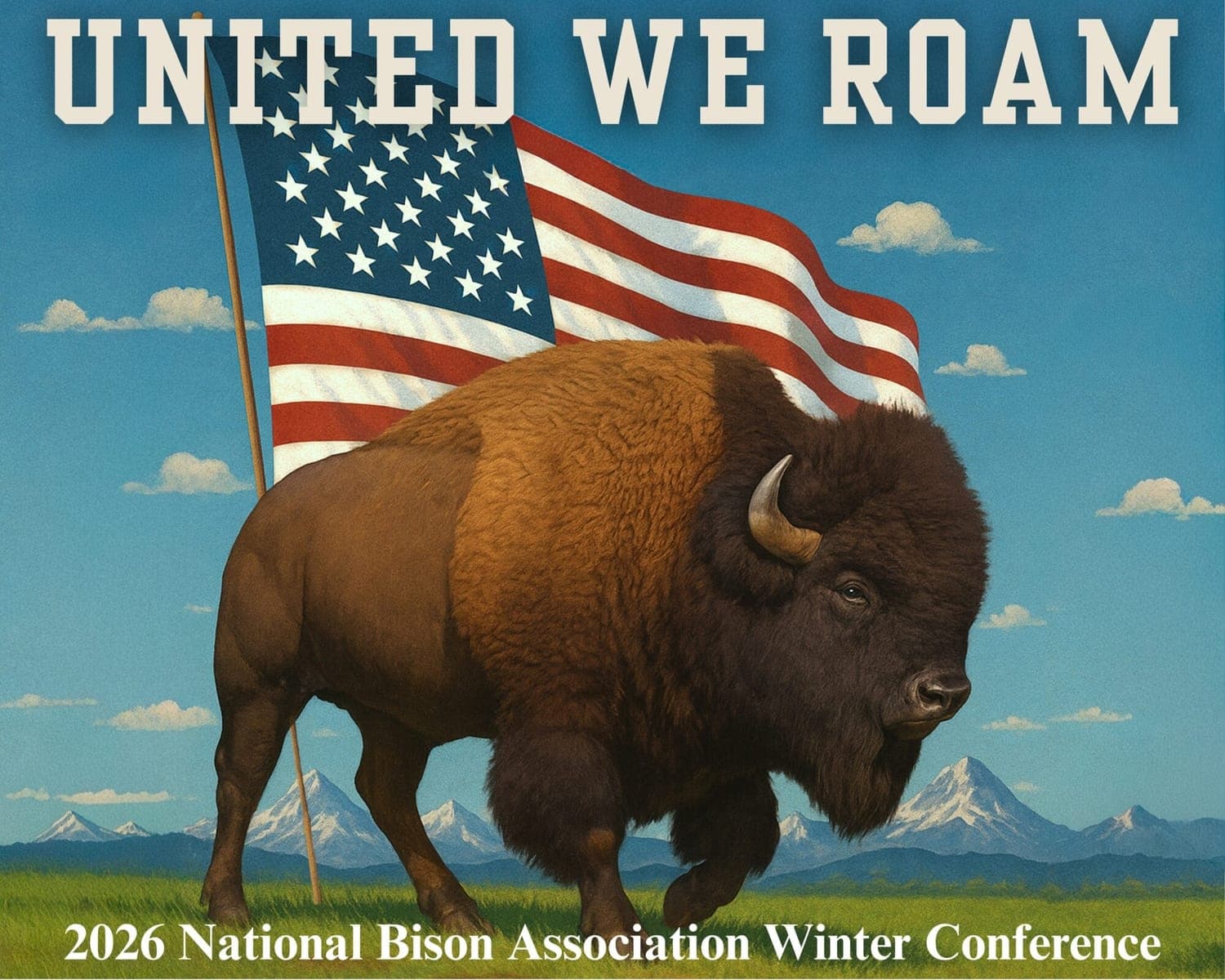
In 1995, a pivotal moment in the modern history of the American bison industry occurred when two established producer organizations—the National Buffalo Association and the American Bison Association—merged to form the National Bison Association (NBA). This union created a single, stronger national voice for bison producers, processors, marketers, and enthusiasts at a time when private herds were expanding and the commercial bison sector was maturing.
Background: Two Organizations Serving a Growing Industry
By the mid-20th century, American bison had rebounded significantly from near-extinction in the late 1800s, thanks to conservation efforts, public herds, and a growing number of private ranchers. As commercial interest in raising bison for meat, hides, and other products increased, producers sought organized representation.The National Buffalo Association was chartered in 1966 (with some contemporary accounts noting formal activity around 1967). It emerged as one of the earliest national groups focused on private bison ownership and production. Early members included ranchers who had built substantial herds from animals sourced from public lands and other private stock. The organization provided a forum for sharing knowledge, addressing regulatory issues, and promoting the animal during a period when bison ranching was still relatively niche.
Nearly a decade later, the American Bison Association was formed in 1975. It was established by a group of younger, ambitious producers—many based in Colorado and surrounding states—who wanted an organization that more closely reflected their vision for the industry’s future. The ABA grew quickly and made lasting contributions, including launching the Gold Trophy Show and Sale in 1980 during Denver’s National Western Stock Show (we told you this story earlier this month). This event became a cornerstone of the industry for showcasing genetics and facilitating sales. The ABA eventually established a permanent office in Denver’s Livestock Exchange Building.
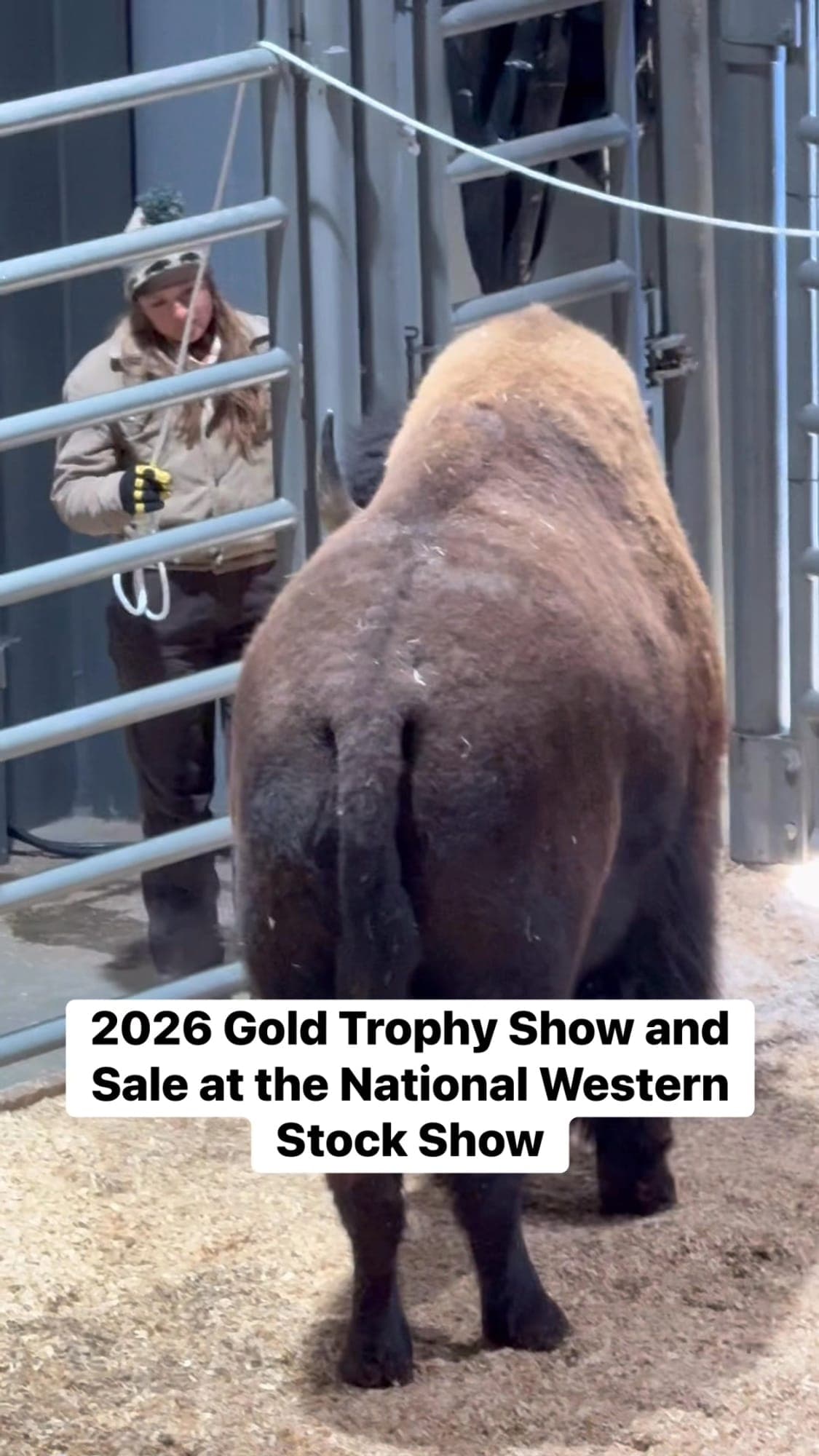
For years the two associations operated in parallel. Many ranchers held memberships in both, attended multiple meetings annually, and benefited from the networks each provided. As the industry expanded through the 1980s and early 1990s, however, the inefficiencies of dual organizations became more apparent. Producers increasingly saw value in consolidating resources, speaking with one voice on policy matters, and presenting a unified front to consumers, regulators, and the broader agricultural community.
The 1995 Merger
In 1995, the American Bison Association and the National Buffalo Association formally merged to create the National Bison Association. The new organization retained offices in the Denver area and built on the foundations laid by both predecessors. The merger brought together decades of collective experience, membership lists, educational programs, and industry events under a single not-for-profit trade association structure.
South Dakota rancher L. Roy Houck played a central role in its creation. After purchasing his first bison in 1959 and expanding into one of the largest privately owned herds in the country on his Triple U Enterprises / Standing Butte Ranch near Fort Pierre, Houck recognized the need for collective action. He convinced roughly 50 other bison breeders to form the association so they would not have to compete against one another in the marketplace and could better protect their shared interests. Houck served as a co-founder, president, and director in the organization’s early years. His leadership helped establish the group as a key advocate during the industry’s formative commercial period. He was later inducted into the National Buffalo Hall of Fame in 1980.
The NBA was established as a community of producers, processors, marketers, and bison enthusiasts. From the outset it emphasized the heritage of the American bison while focusing on practical industry needs: education, marketing support, research coordination, and advocacy for sustainable production practices.
So, the original National Buffalo Association was a 501c3 structure, and that was retained and is now known as the National Buffalo Foundation. Which is the group that funded both Native and the Bison Center of Excellence at SDSU. Excellent group that has done more for bison research and herd health than any other organization. If you have gotten any package from us lately, we have been putting an insert card in about the Foundation and ways to help. You can also donate here.
Mission and Lasting Impact
Today the National Bison Association’s stated mission is “to bring together stakeholders to celebrate the heritage of American bison, to educate, and to create a sustainable future for our industry.” Members abide by a Code of Ethics that promotes the humane and sustainable raising of bison. The association has grown to include more than 1,200 members across all 50 U.S. states and approximately 10 foreign countries.
The 1995 merger proved foundational. By eliminating duplication and combining strengths, the NBA helped professionalize the bison sector. It continued and expanded key programs such as the Gold Trophy Show and Sale, supported the development of state and regional associations, advanced consumer education about bison meat and products, and engaged in legislative and regulatory work. The organization has also collaborated with tribal nations, conservation groups, researchers, and government agencies on broader bison restoration and stewardship efforts. The formation of the National Bison Association marked the transition from a fragmented early commercial era to a more coordinated national industry. What began as two separate groups of dedicated ranchers and enthusiasts in the 1960s and 1970s became, through the 1995 merger, a unified organization that continues to champion the American bison—both as a cultural icon and as a viable, regenerative livestock enterprise.
This post was published
Maybe you will also like
This is a link to a post. This is a link to a post.
 This is a link to a post.
Excerpt from post: Hello and Happy Saturday Friends!
Hope you had a great week, T and I are laying low and taking it ea…
This post was published
Excerpt from post: Hello and Happy Saturday Friends!
Hope all is well in your part of the world. Life here is good, we…
This post was published
Excerpt from post: Hello and Happy Saturday Friends!
Hope all is well in your part of the world. Life here is good, we…
This post was published